Cooking ribs on a gas grill at 250 degrees Fahrenheit typically takes about 4 to 6 hours, depending on the rib cut and thickness.
Aim for a tender result where the meat pulls away easily from the bone, often achieved at an internal temperature around 200-205°F.
TL;DR: Here’s the quick scoop on grilling ribs at 250°F:
- Plan for 4-6 hours of cooking time.
- Maintain a consistent 250°F grill temperature using indirect heat.
- Look for a final internal temperature of 200-205°F for fall-off-the-bone tenderness.
- Wrap ribs in foil after 2-3 hours to keep them moist and tender.
- Don’t forget to add wood chips for that classic smoky flavor!
How Long To Cook Ribs On Gas Grill At 250?
When you’re aiming for perfectly tender ribs on your gas grill at 250°F, you’re looking at a cooking window of roughly 4 to 6 hours. This timeframe varies based on whether you’re cooking baby back or spare ribs.
Setting the Stage: Your Gas Grill as a Smoker
Turning your gas grill into a low-and-slow cooking machine for ribs is absolutely doable. It’s all about creating indirect heat and maintaining a steady temperature. Think of it as a backyard transformation, bringing the smokehouse to your patio.
You want to cook those ribs gently. This slow method helps break down tough connective tissues, making your ribs incredibly tender and juicy. Many grill masters swear by this lower temperature for amazing results (AmazingRibs.com).
Understanding Rib Types and Their Timing
Not all ribs are created equal, and their cooking times reflect that. Here’s a general guide:
- Baby Back Ribs: These are shorter, leaner, and curve more. They typically cook faster due to less meat and fat.
- Spare Ribs: These are larger, meatier, and have more fat. They need a longer cook time to render down properly and become tender.
Knowing your rib type helps you plan your cooking day. Nobody wants hungry guests waiting too long, right?
The 250°F Sweet Spot for Ribs
Why 250°F? This temperature is ideal for a few reasons. It’s hot enough to cook the meat thoroughly but low enough to allow the connective tissues to slowly melt into gelatin. This process ensures your ribs are moist and tender, not dry or tough.
It also gives you ample time to infuse flavor. Low and slow is the secret mantra for many barbecue pitmasters. We found that maintaining this temperature is key to avoiding burnt exteriors and undercooked interiors.
Preparing Your Ribs for the Grill
Preparation is half the battle when it comes to amazing ribs. Don’t just throw them on the grill! A little effort upfront makes a big difference.
First, remove the silver skin membrane from the back of the ribs. This thin layer can become tough and chewy if left on. Just slide a knife under it and peel it off with a paper towel for grip.
Seasoning Your Ribs
After membrane removal, apply your favorite dry rub generously. Don’t be shy! A good rub creates a flavorful crust during the long cook. Many experts say to apply it an hour or two before grilling, or even overnight, to let the flavors marry (Meathead Goldwyn).
Setting Up Your Gas Grill for Indirect Heat
Achieving a consistent 250°F on a gas grill requires indirect heat. This means your ribs won’t be directly over the flame.
Light one or two burners on one side to low or medium-low. Leave the other burners off. Your ribs will cook on the “off” side. This setup prevents scorching while still providing heat.
Adding Smoke Flavor to Your Gas Grill
Even on a gas grill, you can get fantastic smoky flavor. Use a smoker box or a foil pouch filled with wood chips. Place this directly over your lit burner. As the chips heat, they’ll release smoke, perfuming your ribs beautifully.
Hickory, apple, or cherry wood chips are popular choices for ribs. We found that soaking the chips for 30 minutes beforehand helps them smoke longer.
The 3-2-1 Method for Ribs (Adjusted for 250°F)
The “3-2-1” method is famous in the BBQ world, often for smokers. You can adapt it for your gas grill at 250°F, but the times will vary. This method ensures tender, juicy results.
It generally involves three phases: smoking, wrapping, and saucing/finishing. Remember, these are guidelines, not strict rules. Your ribs will tell you when they are ready.
| Rib Type | Approximate Cook Time at 250°F | Internal Temp for Doneness |
|---|---|---|
| Baby Back Ribs | 4 – 5 hours | 200-205°F |
| Spare Ribs (St. Louis Cut) | 5 – 6 hours | 200-205°F |
| Full Spare Ribs | 6 – 7 hours | 200-205°F |
The “Wrap” Phase: Keeping Ribs Moist
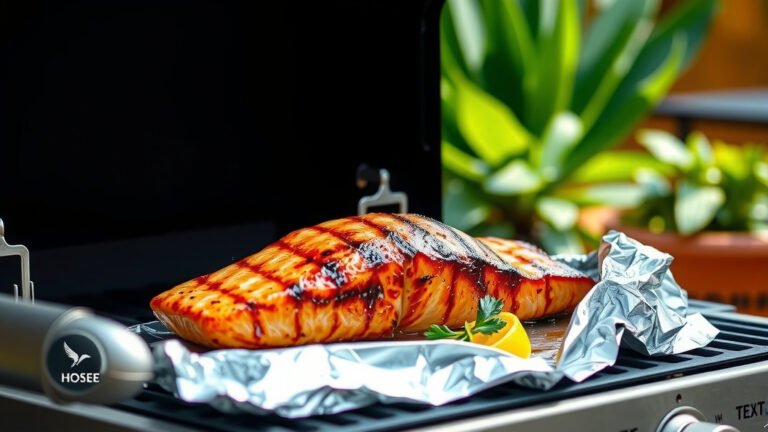
After about 2-3 hours of smoking unwrapped, consider wrapping your ribs tightly in heavy-duty aluminum foil. You can add a splash of apple juice or cider vinegar to the foil package for extra moisture. This technique is often called the “Texas Crutch.”
The foil traps steam and moisture, helping to tenderize the ribs faster and keep them from drying out. Many sources suggest wrapping when the color is set and the rub has formed a crust (BBQ & Grilling Association).
When Are Your Ribs Done? The Bend Test
Forget the clock for a moment and listen to your ribs. The best way to know they are done is by feel. Pick up one end of a rack with tongs; if the rack bends significantly and the meat starts to crack, they’re ready. This is called the “bend test.”
You can also use a meat thermometer. Look for an internal temperature around 200-205°F in the thickest part, avoiding the bone. This range indicates the collagen has broken down. Remember, temperature is a guide, but tenderness is king.
Finishing Strong: Glazing and Rest Time
Once your ribs are tender, you can unwrap them and brush them with your favorite barbecue sauce. Return them to the grill for another 30-60 minutes, unwrapped, to let the sauce caramelize. Keep an eye on them to prevent burning.
Finally, remove the ribs from the grill and let them rest for at least 15-20 minutes. This allows the juices to redistribute, ensuring every bite is succulent. Just like a good steak, ribs need a little downtime after their long cook.
Checklist for Perfect Ribs at 250°F
Ready to grill? Here’s a quick checklist to help you stay on track:
- Remove the silver skin membrane.
- Apply your chosen dry rub generously.
- Set up your gas grill for indirect heat at 250°F.
- Add wood chips for that smoky flavor.
- Cook ribs for 2-3 hours unwrapped.
- Wrap ribs tightly in foil, perhaps with a little liquid.
- Continue cooking until they pass the bend test or hit 200-205°F.
- Unwrap, sauce, and cook for another 30-60 minutes.
- Rest your ribs for 15-20 minutes before serving.
Conclusion
Cooking ribs on a gas grill at 250°F is a rewarding process, offering tender, smoky results that rival traditional smokers. While the clock provides a guide of 4 to 6 hours, remember that the true readiness of your ribs lies in their tenderness. By focusing on indirect heat, maintaining a stable temperature, and understanding the cues your ribs give you, you’re well on your way to barbecue perfection. Patience and attention to detail are your best friends here, transforming a simple rack of ribs into a backyard masterpiece. Enjoy the process and the delicious outcome!
How do I maintain a consistent 250°F on a gas grill?
To maintain 250°F, light only one or two burners on low or medium-low, depending on your grill’s power. Place an oven thermometer or a reliable grill thermometer near where the ribs will cook. Adjust the flame on the lit burners slowly until the temperature stabilizes. You might need to make small adjustments throughout the cook.
Should I flip the ribs while cooking at 250°F?
For indirect cooking at 250°F, frequent flipping isn’t necessary. You can rotate the ribs once or twice during the unwrapped phase to ensure even cooking and smoke exposure. Once wrapped in foil, there’s no need to flip them until they’re ready for saucing.
Can I use barbecue sauce right from the start?
It’s generally not recommended to apply sticky barbecue sauce at the very beginning of a long, slow cook. The sugars in most sauces can burn and char before the ribs are tender. It’s best to apply sauce in the last 30-60 minutes of cooking, after the ribs are tender and you’ve unwrapped them.
What if my ribs are cooking too fast or too slow?
If your ribs are cooking too fast, lower the flame on your lit burners slightly, or ensure your indirect setup is correct, possibly moving them further from the heat source. If too slow, increase the flame a bit. Always monitor your grill’s internal temperature, not just the setting. Wind and ambient temperature can also affect grill heat.
Do I need a water pan for gas grilling ribs at 250°F?
While not strictly necessary on a gas grill setup, a shallow metal pan filled with water placed on the indirect side can help add moisture to the cooking environment. This can prevent the ribs from drying out over a long cook, especially if your grill struggles to hold humidity. It also helps stabilize grill temperatures.