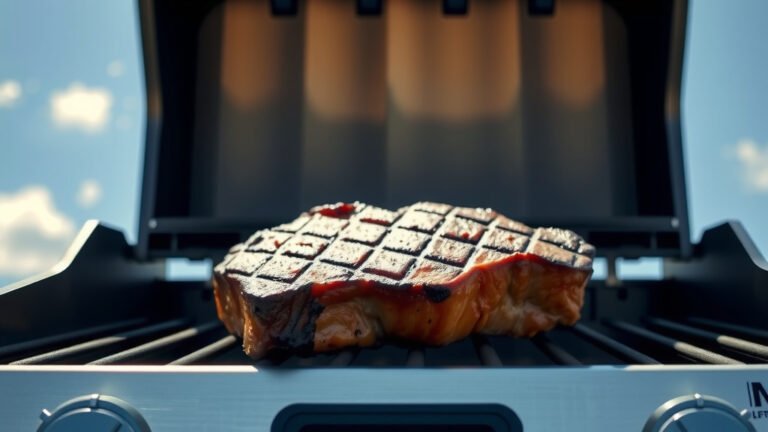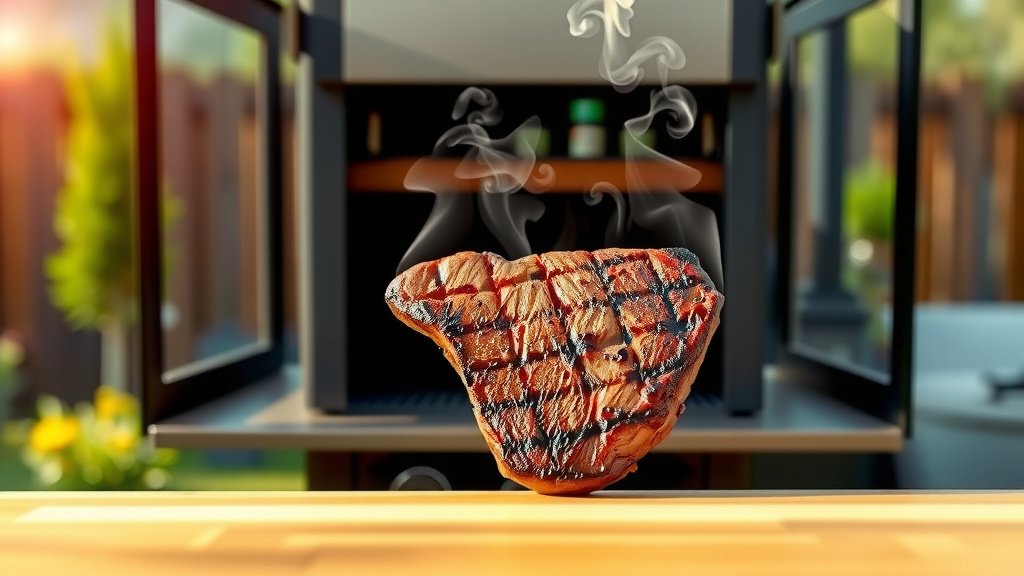
Cooking a ribeye on a pellet grill typically takes about 45 to 90 minutes, depending on the steak’s thickness and your desired doneness level.
For a perfect medium-rare finish, you’ll generally aim for an internal temperature of 130-135°F, using a reliable meat thermometer as your guide.
- A ribeye steak on a pellet grill usually cooks in 45-90 minutes.
- The best method involves a “reverse sear” for superior flavor and texture.
- Start by smoking at a low temperature (around 225°F) until it hits 115-120°F internally.
- Then, crank up the grill to high heat (450-500°F) for a quick sear, targeting 130-135°F for medium-rare.
- Always rest your steak for 10-15 minutes after cooking to keep it juicy.
How Long To Cook Ribeye On Pellet Grill?
Cooking a ribeye on a pellet grill generally takes between 45 to 90 minutes, primarily depending on the steak’s thickness and your preferred level of doneness.
This timeline ensures a delicious, smoky flavor while achieving that perfect tenderness you crave.
Why a Pellet Grill for Ribeye?
Pellet grills offer a distinct advantage for cooking ribeye steaks.
They provide consistent, even heat and infuse your meat with that wonderful smoky flavor from wood pellets.
Many home cooks find them incredibly easy to use, making them a popular choice for steak enthusiasts.
It’s like having a smoker and a grill all in one versatile machine.
Understanding Ribeye Thickness
The thickness of your ribeye steak is one of the most significant factors affecting cook time.
A thin steak will cook much faster than a thicker cut, naturally.
Thin vs. Thick Cuts
A 1-inch thick ribeye might finish in about 45-60 minutes on a pellet grill.
If you have a steak that’s 1.5 to 2 inches thick, plan for 75-90 minutes or even a little longer.
Always remember, these are estimates; your thermometer is your true friend.
The Importance of Internal Temperature
You can’t guess when a steak is done. Relying on sight alone can lead to disappointment.
An instant-read meat thermometer is your essential tool for perfect doneness.
It tells you precisely when your steak reaches your desired internal temperature, ensuring safety and quality.
Getting Started: Prep Your Ribeye
Before any cooking begins, let your ribeye sit out at room temperature for about 30-60 minutes.
This step helps the steak cook more evenly from edge to center.
Seasoning Your Steak
For a ribeye, sometimes simple is best.
A generous coating of kosher salt and freshly cracked black pepper is often all you need.
Some grill masters add garlic powder or a favorite steak rub.
Apply your seasoning liberally right before it goes on the grill.
Setting Up Your Pellet Grill
For ribeye, the reverse sear method is a top choice, as we found in much culinary research.
This means you’ll use two different temperature zones on your grill.
You’ll start low for smoking and finish high for searing.
What Temperature for Ribeye?
Initially, set your pellet grill to a low temperature, around 225°F (107°C) for the smoking phase.
Later, you’ll crank it up to 450-500°F (232-260°C) for a quick, hot sear.
The Reverse Sear Method: Your Best Bet
The reverse sear method is incredibly popular for thick cuts of steak.
It creates a beautiful smoky flavor and a tender interior, followed by a crispy, flavorful crust.
Many experts say this method produces results that are hard to beat.
Smoking Phase: Low and Slow
Place your seasoned ribeye directly on the grill grates once your pellet grill reaches 225°F.
Insert your meat thermometer into the thickest part of the steak, avoiding any bone.
Smoke until the internal temperature reaches about 115-120°F (46-49°C) for medium-rare.
This phase typically takes 30-60 minutes, depending on thickness.
Searing Phase: High Heat Finish
Once your steak hits the target internal temperature, remove it from the grill.
Increase your pellet grill’s temperature to 450-500°F (232-260°C) and let it preheat fully.
Once hot, return the steak to the grates and sear each side for 2-4 minutes.
Flip regularly until you achieve that beautiful, dark brown crust and the final internal temperature.
Checking for Doneness: Internal Temperatures
Knowing the right internal temperatures is key to a perfectly cooked steak.
Pull your steak off the grill a few degrees before your target, as it will continue to cook while resting.
| Doneness Level | Target Internal Temperature (Pull Temp) |
|---|---|
| Rare | 120-125°F (49-52°C) |
| Medium-Rare | 125-130°F (52-54°C) |
| Medium | 130-135°F (54-57°C) |
| Medium-Well | 135-140°F (57-60°C) |
| Well-Done | 140-145°F (60-63°C) |
Resting Your Ribeye: A Non-Negotiable Step
After searing, transfer your ribeye to a cutting board and tent it loosely with foil.
Let it rest for at least 10-15 minutes.
This resting period allows the juices to redistribute throughout the steak, making it incredibly tender and moist.
Cutting too early means those delicious juices will spill out onto your board.
Common Mistakes to Avoid
Even seasoned grillers can make simple errors. Keep these tips in mind:
- Not preheating the grill properly for searing.
- Forgetting to use a meat thermometer.
- Overcooking by not pulling the steak early enough.
- Cutting into the steak immediately after taking it off the heat.
- Not letting the steak come to room temperature before cooking.
Factors That Affect Cooking Time
Several elements can slightly alter how long your ribeye needs on the pellet grill.
Being aware of these helps you adjust your cooking plan.
- Bone-In vs. Boneless: Bone-in steaks usually take a bit longer to cook because the bone insulates the meat.
- Grill Stability: Every pellet grill is different. Some hold consistent temperatures better than others.
- Ambient Temperature: Cooking on a cold day might slightly extend your cook time.
- Wind Conditions: Strong winds can affect your grill’s ability to maintain heat.
Conclusion
Cooking a delicious ribeye on a pellet grill is a rewarding experience, combining smoky flavor with perfectly cooked steak.
The key to success lies in understanding the reverse sear method, accurately monitoring internal temperatures, and allowing the steak to rest properly.
By following these steps, you’ll consistently achieve a juicy, tender ribeye with a fantastic crust, making you the hero of your next cookout.
Don’t be afraid to experiment with different wood pellets to find your favorite smoky profile.
How do I prevent my ribeye from drying out on a pellet grill?
To prevent your ribeye from drying out, focus on using the reverse sear method, and most importantly, pull the steak off the heat a few degrees before your target internal temperature. Always allow it to rest for 10-15 minutes after cooking to re-distribute juices.
Can I cook a frozen ribeye on a pellet grill?
While technically possible, it’s generally not recommended for optimal results. Cooking a frozen steak will greatly extend the cooking time and make it harder to achieve even doneness. For best flavor and texture, always thaw your ribeye completely before cooking.
What kind of wood pellets are best for ribeye?
For ribeye, many grill enthusiasts recommend hickory, oak, or cherry wood pellets. Hickory provides a strong, classic smoke flavor, while oak is milder. Cherry offers a sweet, fruity note that complements beef wonderfully. Try different types to discover your personal preference.
Should I flip my ribeye during the smoking phase?
During the low-temperature smoking phase, it’s generally not necessary to flip your ribeye frequently. You can flip it once or twice if you like, but the indirect heat of the pellet grill will cook it evenly. Save the frequent flipping for the high-heat searing phase to develop that crust.
How can I get a really good sear on my ribeye with a pellet grill?
Achieving a great sear requires high heat. After the smoking phase, turn your pellet grill up to its highest setting, usually 450-500°F, and let it preheat thoroughly. You might even consider using cast iron grates or a cast iron pan on the grill for extra contact and a more intense sear. Sear each side for 2-4 minutes, flipping often.