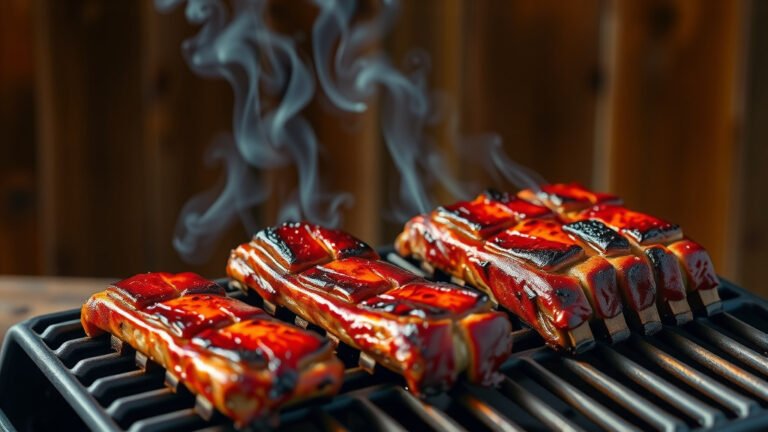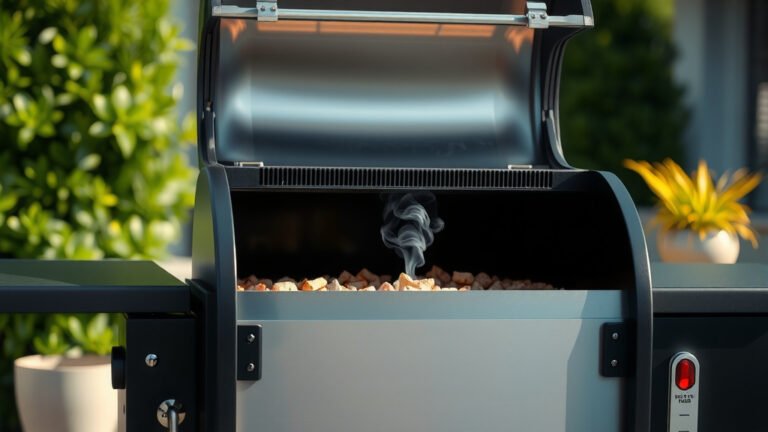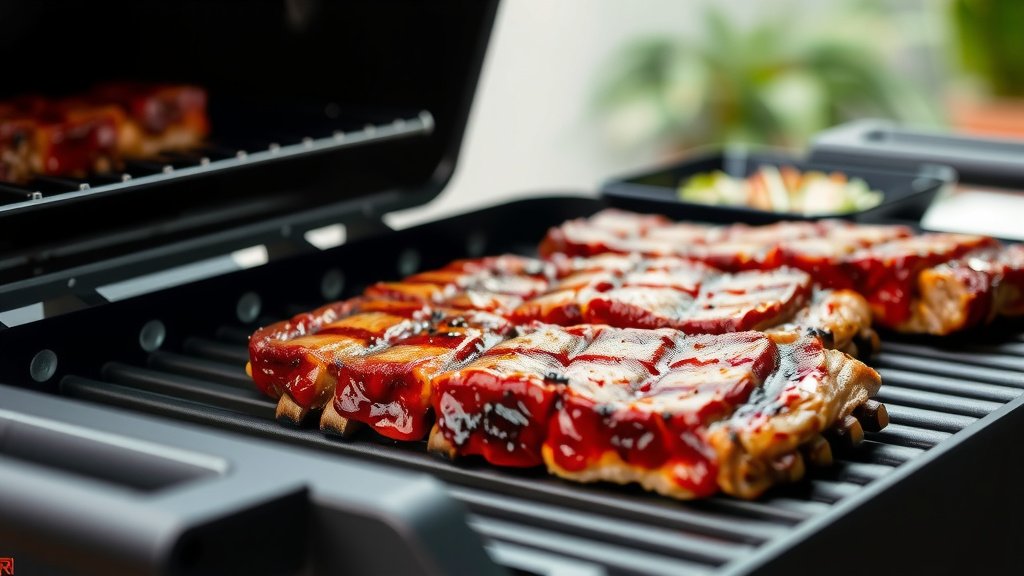
Cooking beef ribs on a pellet grill typically takes between 6 to 9 hours, but the exact time depends on the rib type, thickness, and maintaining a consistent grill temperature around 225-275°F (107-135°C).
You’re looking for a tender, fall-off-the-bone result, which usually means cooking until an internal temperature of 203°F (95°C) is reached in the thickest part of the meat.
- For that ultimate smoked beef rib experience, you’re aiming for a long, slow cook on your pellet grill.
- Expect the process to last anywhere from 6 to 9 hours, sometimes even 10, depending on the cut and size.
- The real sign of readiness isn’t just time, it’s when the meat is incredibly tender and reaches an internal temperature of around 203°F.
- Don’t forget the importance of a good rest afterward; it helps distribute those delicious juices.
How Long To Cook Beef Ribs On Pellet Grill?
Cooking beef ribs on a pellet grill needs patience, often requiring 6 to 9 hours at a consistent 225-275°F (107-135°C).
Understanding Beef Rib Cuts
Before you even light your grill, knowing your ribs is key. Are you working with short ribs or back ribs? This choice makes a difference in your cooking plan.
Short ribs, especially plate short ribs (often labeled “dino ribs”), are meatier and richer. They demand a longer, slower cook to break down connective tissues.
Beef back ribs, on the other hand, have less meat and cook a bit faster. They are similar to pork back ribs, often with meat primarily between the bones.
Plate Short Ribs vs. Back Ribs
Plate short ribs, cut from the lower rib cage, are big and beefy. These are the ones that really shine with a long smoke.
Back ribs come from closer to the spine, usually leftover after prime rib is removed. They are fantastic but will finish earlier.
The Magic of Pellet Grills for Ribs
Pellet grills are perfect for beef ribs. They provide consistent heat and a steady supply of smoke flavor, making your job easier.
You set the temperature, and the grill does most of the work, maintaining that low-and-slow environment that ribs love.
This hands-off approach lets you enjoy your day while the grill transforms tough cuts into tender masterpieces.
Prepping Your Beef Ribs for Success
Preparation is simple but vital. You’ll want to trim excess hard fat from the top, leaving a nice layer for flavor.
Many experts suggest removing the silver skin or membrane from the bone side. This allows smoke and seasoning to penetrate better (Meathead Goldwyn).
Then, apply a generous layer of your favorite rub. Don’t be shy; these big cuts can take a lot of flavor.
The Importance of a Good Rub
A good rub creates a flavorful crust, known as the bark. Think coarse salt, black pepper, garlic powder, and maybe a touch of paprika or chili powder.
Apply it evenly, covering all surfaces. Some people even apply it the night before to let the flavors really sink in.
Setting Your Pellet Grill Temperature
For beef ribs, a low and slow temperature is essential. We found that 225°F (107°C) to 275°F (135°C) is the sweet spot for tenderness and smoke flavor.
A lower temperature means more smoke penetration, while a slightly higher temperature can speed things up without sacrificing too much tenderness.
Smoking Phase: The Unwrapped Cook
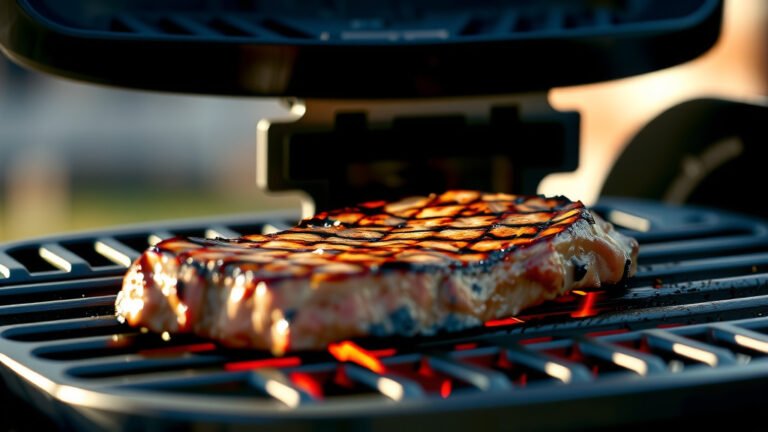
Start your ribs directly on the grill grates, unwrapped. This initial phase is where they absorb most of their smoky goodness.
Keep the lid closed as much as possible to maintain a stable temperature. Many experts say, “If you’re looking, it’s not cooking!”
This unwrapped cook typically lasts 3 to 4 hours, or until the bark has formed to your liking and the color is a deep mahogany.
The “Stall” and Why It Happens
Don’t panic if your ribs’ internal temperature stops rising. This is called the “stall” and it’s perfectly normal in barbecue.
It happens when moisture evaporating from the meat cools the surface, much like sweat cools your skin. Just keep cooking through it.
Wrapping Phase: The Texas Crutch (Optional)
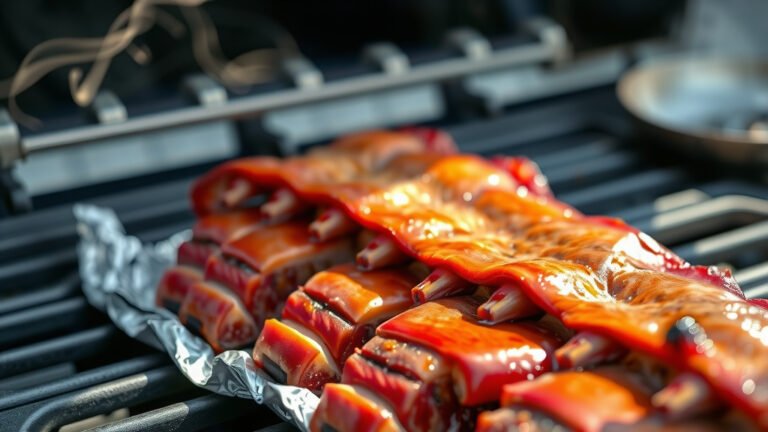
After the bark is set, you might choose to wrap your ribs in butcher paper or foil. This technique, sometimes called the “Texas crutch,” helps them push through the stall.
Wrapping helps tenderize the meat faster by trapping moisture. It also helps prevent the bark from getting too dark.
If you wrap, add a splash of liquid like beef broth or apple juice for extra moisture and flavor.
Butcher Paper vs. Aluminum Foil
Butcher paper allows some moisture to escape, preserving more of the bark’s texture. Aluminum foil creates a tighter seal, steaming the meat more intensely.
We found that foil often results in a slightly softer bark, while butcher paper gives a better balance of tenderness and texture.
Finishing the Cook: The Probe Test
After wrapping, continue cooking until the ribs reach a target internal temperature and feel incredibly tender.
Many pitmasters aim for 203°F (95°C) for beef ribs (Franklin Barbecue). However, temperature is secondary to feel.
The best indicator is when a skewer or thermometer probe slides into the meat with very little resistance, like pushing into warm butter.
Resting Your Ribs for Perfection
Once your ribs are tender, take them off the grill and let them rest. This is a non-negotiable step!
Resting allows the muscle fibers to relax and reabsorb juices, resulting in a much more succulent and flavorful product.
Rest them, still wrapped, in a cooler for at least 30 minutes, or even up to an hour. You’ll be glad you did.
Beef Rib Cooking Checklist
- Choose meaty short ribs or beef back ribs.
- Trim excess hard fat and remove the membrane.
- Apply a generous, flavorful rub.
- Set your pellet grill to 225-275°F.
- Smoke unwrapped until a good bark forms (3-4 hours).
- Wrap in butcher paper or foil with a splash of liquid (optional).
- Cook until probe tender, around 203°F internal temperature.
- Rest, still wrapped, for at least 30 minutes.
Troubleshooting Common Issues
Is your bark too soft? Try unwrapping the ribs for the last hour of cooking to firm it up.
Are they taking too long? Check your grill’s actual temperature with an external thermometer; the built-in gauge might be off.
| Rib Type | Target Temperature | Estimated Cook Time (225-275°F) | Key Tenderness Indicator |
|---|---|---|---|
| Beef Plate Short Ribs | 203°F (95°C) | 7-9+ hours | Probe slides in like butter |
| Beef Back Ribs | 195-203°F (90-95°C) | 5-7 hours | Meat pulls easily from bone |
Conclusion
Cooking beef ribs on a pellet grill is a rewarding experience that demands a bit of time and patience. Remember, it’s not just about the clock; it’s about that perfect tenderness you feel when probing the meat.
Stick to a consistent low temperature, allow for plenty of smoke time, and don’t skip the crucial resting period. You’ll be slicing into incredibly flavorful, fall-off-the-bone beef ribs that impress everyone around your table. Happy smoking!
How do I know when my beef ribs are done on a pellet grill?
Your beef ribs are done when they reach an internal temperature of around 203°F (95°C) and, more importantly, when a probe or skewer slides into the meat with very little resistance, feeling like it’s going into warm butter.
Should I wrap beef ribs on a pellet grill?
Wrapping beef ribs is optional but recommended by many for tenderizing and pushing through the “stall” faster. You can use butcher paper for a slightly firmer bark or aluminum foil for maximum moisture retention and tenderness.
What is the best temperature to cook beef ribs on a pellet grill?
The ideal temperature for cooking beef ribs on a pellet grill is between 225°F (107°C) and 275°F (135°C). This low-and-slow range allows for ample smoke penetration and helps render down the connective tissues for ultimate tenderness.
How do I get a good bark on my beef ribs?
To achieve a delicious bark on your beef ribs, ensure you apply a generous, coarse rub and smoke them unwrapped for the first 3-4 hours. Keeping the grill temperature stable and avoiding peeking too often will also help form that flavorful crust.
Can I cook beef ribs too long on a pellet grill?
Yes, you can overcook beef ribs. While they benefit from a long cook, if you push them too far past the “probe tender” stage, the meat can become mushy and lose its texture. Always prioritize tenderness over a specific temperature when judging doneness.