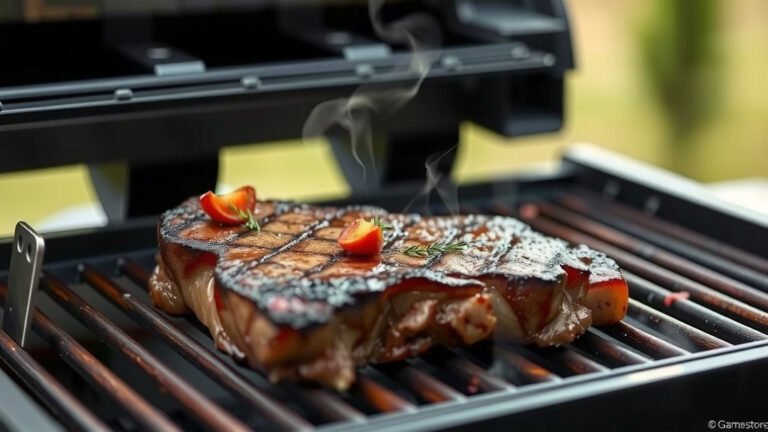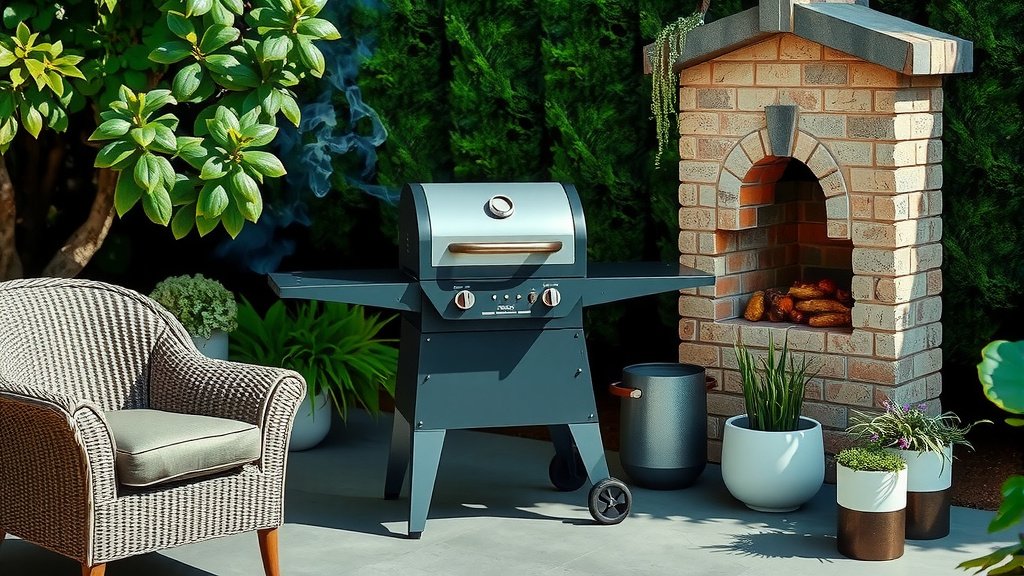
A wood pellet grill operates by feeding small hardwood pellets from a hopper into a firepot, where an electric igniter starts combustion.
An internal fan then circulates the smoke and heat, creating a convection cooking environment that infuses your food with rich, smoky flavor.
Here’s a quick overview of how these amazing grills bring your food to life:
- Wood pellet grills use hardwood pellets as fuel.
- An automated system feeds pellets into a firepot.
- An electric igniter and fan create and distribute heat and smoke.
- You get precise temperature control, like an oven, but with authentic wood-fired flavor.
- They make achieving delicious smoked and grilled foods much easier.
How Does A Wood Pellet Grill Work?
A wood pellet grill is essentially a sophisticated outdoor oven that uses compressed sawdust pellets for fuel, offering a consistent heat source and natural wood smoke. It’s like having a personal BBQ chef that precisely manages heat and flavor for you.
The Heart of the System: Pellet Delivery
At the top of your grill, you’ll find a large container called the hopper. This is where you load the hardwood pellets. Think of it as the fuel tank for your grill, holding enough pellets for hours of cooking.
From Hopper to Firepot
Beneath the hopper, an auger system, which is a motorized screw, turns to push a steady stream of pellets into the firepot. This automatic feeding is crucial for maintaining a stable cooking temperature throughout your cook (University of Wisconsin Extension).
Igniting the Spark
Once pellets reach the firepot, an electric hot rod igniter springs into action. This heating element quickly gets hot enough to ignite the pellets, much like the glow plug in a car. It’s the initial spark that gets the flavor party started.
The Role of the Hot Rod
The hot rod stays on only until the pellets catch fire and start smoldering. After ignition, it turns off, relying on the pellets themselves to maintain the flame. This smart design conserves electricity while cooking.
Master of Airflow: The Induction Fan
A powerful induction fan, located near the firepot, plays a double role. It supplies oxygen to the burning pellets to keep the fire going and circulates the smoke and heat inside the cooking chamber. This constant airflow creates a true convection oven effect.
Distributing Heat and Smoke Evenly
The convection effect is key to even cooking and smoke distribution. Many experts say this process ensures that every inch of your food receives consistent heat and plenty of rich, smoky flavor (AmazingRibs.com).
The Heat Deflector’s Purpose
Right above the firepot sits a heavy metal heat deflector plate. This shield blocks direct flame from scorching your food and helps spread the heat and smoke evenly throughout the grill chamber. It’s like a clever heat diffuser for perfect results.
Your Digital Control Center
One of the most appealing features of a pellet grill is its digital controller. This component acts as the grill’s brain, allowing you to set and maintain precise temperatures, just like you would with an indoor oven.
Setting the Temperature
You simply dial in your desired temperature, and the controller adjusts the auger speed to feed more or fewer pellets. It also regulates the fan, keeping your grill within a few degrees of your target. This means less guesswork and more relaxation for you.
Why Choose a Wood Pellet Grill?
You might wonder what makes pellet grills so popular. We found that their blend of convenience and quality results makes them a top choice for both novice and experienced grill masters.
Consistent Temperatures, Every Time
With a pellet grill, you can achieve oven-like precision. This is incredibly helpful for long smokes, where consistent temperatures prevent undercooked or overcooked food. Say goodbye to constantly monitoring the thermometer manually!
Authentic Wood-Fired Flavor
Unlike gas grills, pellet grills burn actual hardwood, giving your food that distinctive smoky taste that charcoal offers, but with less effort. You can choose different pellet wood types for a variety of flavor profiles, from hickory to apple.
Versatility in Cooking
These grills are surprisingly versatile. You can smoke low and slow, roast chickens, bake pizzas, or even grill steaks at higher temperatures. They really are an all-in-one outdoor cooker for almost any meal.
Wood Pellet Grill Components at a Glance
Understanding the key parts of your pellet grill can help you appreciate how it works its magic. Here’s a quick guide to what’s inside your grill:
| Component | What It Does | Why It Matters |
|---|---|---|
| Hopper | Stores wood pellets. | Ensures continuous fuel supply. |
| Auger | Feeds pellets to firepot. | Controls temperature by regulating fuel. |
| Firepot | Where pellets burn. | Creates heat and smoke. |
| Hot Rod Igniter | Ignites pellets. | Starts the cooking process electrically. |
| Induction Fan | Feeds oxygen and circulates air. | Maintains fire, distributes heat/smoke. |
| Heat Deflector | Shields food from direct flame. | Promotes even heat distribution. |
| Controller | Digital brain of the grill. | Allows precise temperature setting. |
Maintaining Your Pellet Grill
Keeping your pellet grill in good shape ensures it performs optimally and lasts longer. A little regular care goes a long way to preserving your investment.
- Check for ash buildup in the firepot before each use.
- Clean the grease tray and bucket regularly to prevent flare-ups.
- Vacuum out the main cooking chamber for any stray ash.
- Wipe down the exterior surfaces after each cook.
- Inspect the auger for any blockages occasionally.
- Store your grill under a cover when not in use to protect it from weather.
Conclusion
Understanding how a wood pellet grill works demystifies the process, showing it’s a remarkably intuitive and efficient cooking system. By combining the natural flavor of wood smoke with precise digital temperature control, these grills offer a fantastic way to enjoy delicious, perfectly cooked food outdoors. It truly brings together the best of traditional smoking and modern convenience for your backyard. Ready to try one?
How often do you need to add pellets?
This depends on the cooking temperature and duration. For low and slow smoking (around 225°F), a full hopper can last 6-10 hours or more. For high-heat grilling (over 350°F), you might need to refill every 2-4 hours. It’s always a good idea to check your pellet levels before starting a long cook.
Can you use any type of wood pellet?
No, you should only use food-grade hardwood pellets specifically designed for pellet grills. Heating fuel pellets contain different binders and softwoods that can be harmful and damage your grill. Always choose pellets made from 100% hardwood with no fillers or artificial flavors for the best results and safety.
Are pellet grills hard to clean?
Pellet grills are generally easy to clean, especially compared to charcoal grills. The main task involves regularly removing ash from the firepot and vacuuming the grill interior. The grease tray and bucket also need periodic emptying and washing. This routine maintenance helps prevent issues and keeps your grill performing its best.
What is the main difference between a pellet grill and a smoker?
While many pellet grills can smoke, their main difference is versatility. A dedicated smoker primarily excels at low and slow cooking, producing heavy smoke flavor. A pellet grill, on the other hand, can smoke, grill, bake, roast, and braise, offering a much wider range of cooking styles due to its precise temperature control capabilities.
Do pellet grills use a lot of electricity?
Pellet grills use electricity for the igniter, auger, and fan, but the total power consumption is relatively low. The igniter draws the most power, but only for a few minutes during startup. After that, the auger and fan use minimal power, similar to a light bulb, making them fairly energy-efficient for extended cooking times.