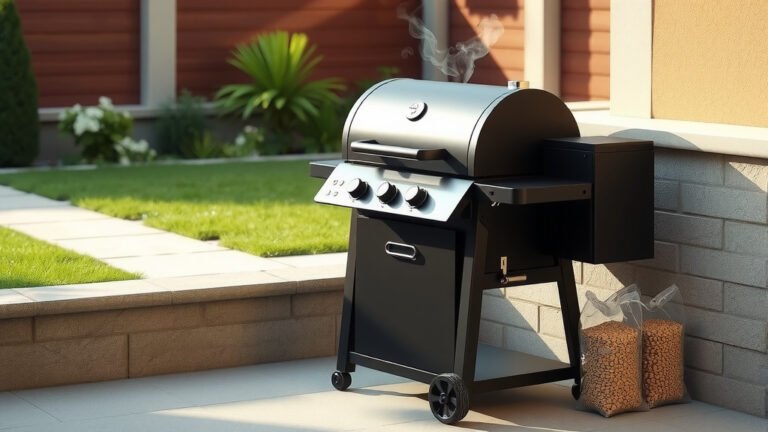
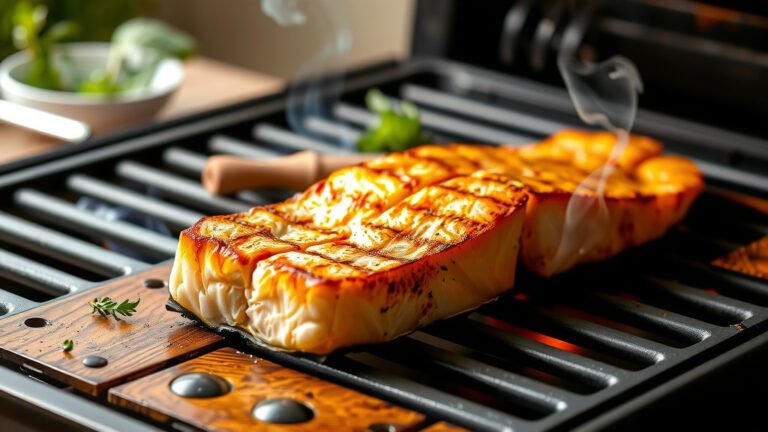
Smoking salmon on a gas grill requires indirect heat and wood chips to infuse that signature smoky flavor. You will maintain a low grill temperature, typically between 200-225°F, for a few hours until the fish reaches a safe internal temperature.
To smoke salmon effectively on your gas grill, prepare your fish with a brine, set up your grill for two-zone cooking, and use a reliable thermometer for perfect results.
-
Prepare Your Fish: Brine your salmon fillets for a richer flavor and to retain moisture.
-
Set Up Your Grill: Configure your gas grill for indirect heat using a two-zone setup.
-
Add Smoke: Use a smoker box or foil packet with soaked wood chips for constant smoke.
-
Control Temperature: Keep your grill consistently between 200-225°F throughout the cook.
-
Check Doneness: Smoke until the salmon reaches an internal temperature of 145°F.
How Do You Smoke Salmon On A Gas Grill?
Smoking salmon on a gas grill is simpler than you might imagine, turning your everyday grill into a versatile smoker. You can achieve fantastic results with just a few adjustments and careful temperature management.
Why Choose a Gas Grill for Smoking Salmon?
Your gas grill offers incredible control over heat, which is a big win for smoking. Unlike charcoal, it is easier to keep temperatures steady. This consistency helps prevent overcooking and ensures a perfectly smoky, moist salmon.
Many experts we found say that gas grills allow for quick adjustments to heat. This precision helps you maintain that ideal low smoking temperature, essential for delicate fish. It’s about working smarter, not harder.
Beyond the Smoker Box
You don’t need a dedicated smoker to get that deep, smoky taste. Your gas grill, equipped with a simple smoker box or even a foil packet, can deliver excellent results. It is a very **cost-effective solution** for home cooks.
Getting Your Salmon Ready: Brining is Key
Brining is a critical step you should not skip when smoking salmon. This process adds flavor and helps the fish retain moisture, ensuring a tender and succulent fillet. It’s like giving your salmon a flavor bath.
Research often connects brining with improved texture and taste in smoked fish (USDA guidelines). The salt helps denature proteins, creating a firmer texture that handles the smoking process well.
Simple Brine Recipe
Here’s a basic brine you can use for your salmon:
- 4 cups cold water
- 1/4 cup kosher salt
- 1/4 cup brown sugar
- 2 tablespoons black peppercorns
Whisk these ingredients until the salt and sugar dissolve. Submerge your salmon fillets completely in the brine. Refrigerate for 4-8 hours, depending on the thickness of your fish. After brining, rinse the salmon thoroughly and pat it very dry. Let it air dry on a rack in the fridge for an hour or two; this creates a pellicle, which helps smoke adhere better.
Essential Equipment You’ll Need
Before you even light your grill, make sure you have these key items ready. Having them on hand makes the smoking process much smoother for you.
| Item | Why You Need It |
|---|---|
| Gas Grill | Your primary cooking device. |
| Smoker Box or Foil Packet | Holds wood chips for smoke. |
| Wood Chips | Provides the smoky flavor (hickory, apple, cherry). |
| Meat Thermometer | Crucial for checking internal fish temperature. |
| Tongs or Spatula | For carefully handling delicate salmon. |
| Aluminum Foil | Can be used for drip pans or foil packets. |
Setting Up Your Gas Grill for Success
The secret to smoking on a gas grill lies in creating an environment of low, indirect heat. This setup allows the salmon to cook gently and absorb all that wonderful smoke flavor. It is all about strategic burner use.
The Two-Zone Method
To achieve indirect heat, you’ll use the two-zone method. On a multi-burner grill, light only one or two burners on one side. If you have three burners, light just one at low heat. You want the temperature inside the grill to hover around 200-225°F. The salmon will cook over the unlit side, away from the direct flames.
Many guidelines point to keeping the heat low and consistent as a good first step (Weber Grills). This technique ensures your fish cooks evenly without burning.
Adding Wood Chips for Flavor
Soak your wood chips for at least 30 minutes before use, or even longer. This helps them smolder rather than burn too quickly. Place these soaked chips in a smoker box or a foil packet with holes poked in it. Position this over the lit burner. You want a steady stream of smoke, not raging flames.
You might need to replenish your wood chips every hour or so, depending on how much smoke you desire. Just open the grill briefly to add more, then close it quickly to retain heat.
The Smoking Process: Step-by-Step
Once your grill is set and your salmon is prepped, you are ready to begin the magic. This part requires patience and monitoring, but the reward is so worth it for you.
Initial Placement and Temperature
Place your brined and dried salmon fillets, skin-side down, on the unlit side of the grill grates. Close the lid immediately. Maintain the grill temperature between 200-225°F. Use your grill’s thermometer, but an external probe thermometer placed near the fish gives a more accurate reading.
Consider placing a drip pan directly under the salmon to catch any drippings. This helps keep your grill clean and prevents flare-ups, which is a tip many experienced grillers offer.
Monitoring and Adjusting
Resist the urge to open the lid too often. Each time you open it, you lose valuable heat and smoke. Check your temperature regularly and make small adjustments to your lit burner(s) if needed. If the temperature drops, increase the flame slightly; if it climbs too high, turn it down a bit.
Smoking salmon typically takes about 1.5 to 3 hours, depending on the thickness of your fillets and the exact grill temperature. This isn’t a race, it’s a slow and steady journey.
Knowing When Your Salmon Is Perfect
How do you know when your smoked salmon is done without overcooking it? This is where your reliable meat thermometer becomes your best friend. Don’t guess; measure!
Internal Temperature Guide
The most important indicator is the internal temperature of the fish. You are aiming for a temperature of 145°F in the thickest part of the fillet (FDA guidelines). Insert your thermometer horizontally into the center of the thickest part for an accurate reading.
Once it reaches 145°F, remove the salmon from the grill. It will continue to cook slightly for a few minutes after removal, known as carryover cooking. Let it rest for 10-15 minutes before serving. This allows the juices to redistribute, keeping the fish moist.
Serving Your Delicious Smoked Salmon
Now comes the best part: enjoying your perfectly smoked salmon! It’s versatile and delicious, ready for your next meal or gathering.
You can serve it warm as a main course with your favorite sides, like roasted asparagus or a fresh salad. It also tastes fantastic flaked into salads, mixed with cream cheese for a spread, or enjoyed cold the next day. The smoky flavor adds depth to so many dishes.
Here’s a quick checklist for your next smoke:
- Brine salmon for 4-8 hours.
- Pat salmon dry and form pellicle.
- Set up grill for 2-zone indirect heat.
- Maintain 200-225°F grill temperature.
- Keep smoker box smoking with wood chips.
- Smoke until internal temp hits 145°F.
Conclusion
Smoking salmon on a gas grill is a rewarding culinary adventure that is well within your reach. By understanding the principles of indirect heat, diligent temperature control, and proper brining, you can consistently produce moist, flavorful smoked salmon. It transforms a simple fillet into a memorable dish, proving your gas grill is more capable than you ever thought. So, fire it up and enjoy the incredible taste of homemade smoked salmon.
How long does it take to smoke salmon on a gas grill?
Smoking salmon on a gas grill typically takes between 1.5 to 3 hours. The exact time depends on the thickness of your salmon fillets and the consistency of your grill’s temperature, which you should aim to keep between 200-225°F.
What kind of wood chips are best for smoking salmon?
Many experts we found suggest mild, fruity wood chips like apple, cherry, or alder for smoking salmon. Hickory can also work, but use it sparingly as its flavor is stronger. These woods complement the fish without overpowering its delicate taste.
Do you leave the skin on salmon when smoking?
Yes, you should leave the skin on your salmon when smoking. The skin acts as a protective layer, helping the fillet stay together and keeping it moist during the long cooking process. You can easily remove it after smoking, if you prefer.
What internal temperature should smoked salmon reach?
Smoked salmon should reach an internal temperature of 145°F in its thickest part. Use a reliable meat thermometer to check this temperature before removing the fish from the grill. This ensures it is safely cooked and deliciously tender.
Can you smoke frozen salmon directly on a gas grill?
No, you should always thaw frozen salmon completely before attempting to smoke it. Smoking frozen or partially frozen fish can lead to uneven cooking and can pose food safety risks. Thaw it in the refrigerator overnight for the best results.