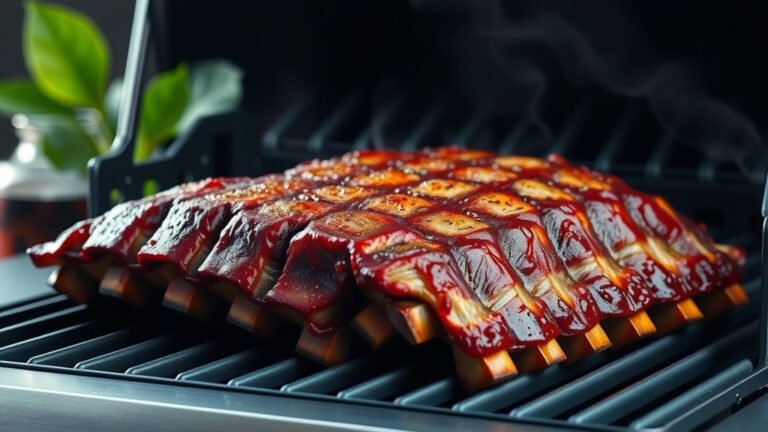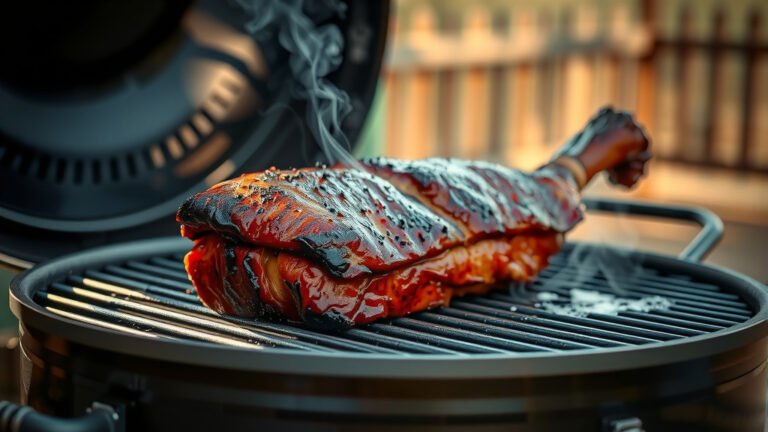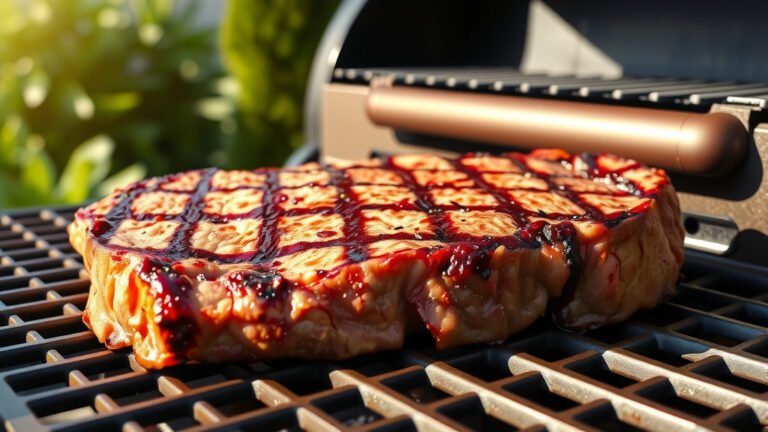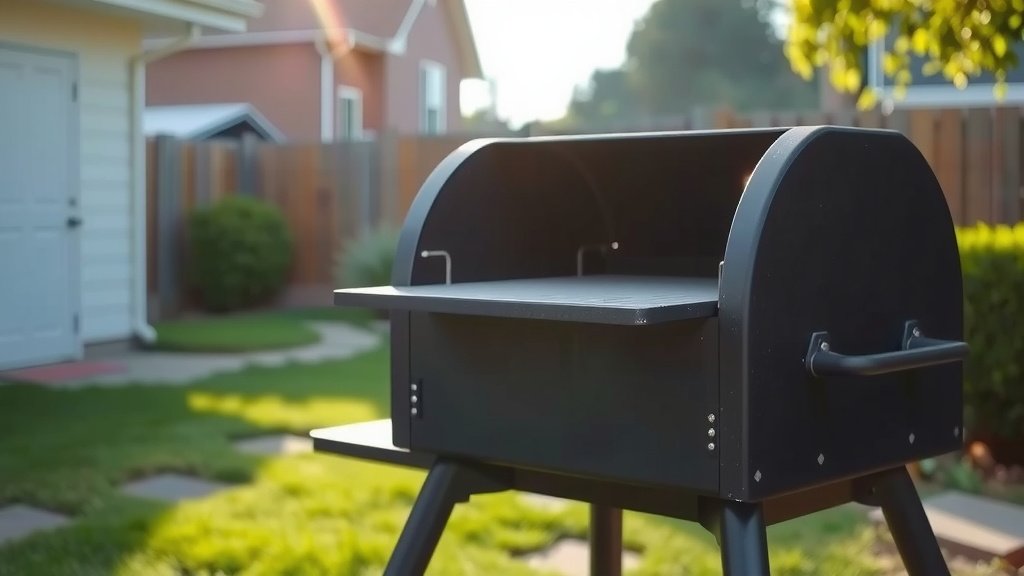
You can certainly make a smoker grill yourself by converting an existing grill or building one from scratch using common materials.
The core idea behind any smoker grill is to create a controlled environment for low-temperature, indirect heat and smoke, giving your food that delicious smoky flavor.
TL;DR: Making Your Own Smoker Grill
- Converting an old kettle grill or gas grill is a great starting point for beginners.
- Building a dedicated smoker often involves repurposing steel drums or even filing cabinets.
- Key elements include a heat source, a smoke source, and a way to control airflow and temperature.
- Always prioritize safety by using food-safe materials and ensuring proper ventilation.
- Regular practice and temperature monitoring will help you master your new DIY smoker.
How Do You Make A Smoker Grill?
Making a smoker grill involves either modifying an existing grill or constructing a new unit from various materials. The goal is to cook food slowly at low temperatures with smoke.
Understanding the Smoker’s Purpose
A smoker isn’t just a regular grill; it’s a tool for transforming tough cuts of meat into tender, flavorful dishes. You’re aiming for that signature smoky ring and juicy interior.
This “low and slow” cooking method breaks down tough fibers in meat. It also infuses deep, rich flavors you can’t get from standard grilling.
Why Build Your Own?
Building your own smoker grill can be incredibly rewarding. It saves money compared to buying a new one, and you learn a lot about cooking. Plus, there’s pride in using something you created!
We’ve found that many home cooks enjoy the hands-on process. It gives you a deeper connection to your food and how it’s prepared.
Converting an Existing Grill into a Smoker
The simplest way to get into smoking is often by converting what you already own. Have a kettle grill or even a gas grill lying around?
You can easily modify these for basic smoking. It’s a great way to start without a big investment.
Turning a Kettle Grill into a Smoker
Kettle grills are surprisingly versatile for smoking. You can set up a simple two-zone fire to create indirect heat. This keeps your food away from the direct flames.
Place coals and wood chips on one side, and your food on the other. Add a water pan for moisture (many experts say this helps stabilize temperature).
Modifying a Gas Grill for Smoking
Yes, even a gas grill can smoke! You’ll need a smoker box or foil packet filled with wood chips. Place this directly over one of the lit burners.
Turn on only one or two burners to keep the heat low. Close the lid and let the smoke circulate around your food. Keep the other burners off for indirect cooking.
Building a Dedicated DIY Smoker
If you’re serious about smoking, building a dedicated unit offers more control and capacity. This is where your creativity can really shine!
Many options exist, from simple drum smokers to more involved offset designs. Research often shows these dedicated builds yield consistent results (BBQ Pitmasters Association).
The Popular Drum Smoker Build
A drum smoker, often called an Ugly Drum Smoker (UDS), is a favorite among DIY enthusiasts. It uses a 55-gallon steel drum as its main body.
You’ll need to add a charcoal basket at the bottom, a grate for food, and vents for airflow. It’s relatively simple and cooks great barbecue.
Components for a Basic Drum Smoker
Here’s a quick checklist of what you’ll likely need:
- A clean, unlined 55-gallon steel drum (food-grade if possible).
- A charcoal basket or grates for holding fuel.
- Cooking grates for your food.
- Vents for air intake and exhaust (ball valves or pipe nipples work well).
- A lid, often from a kettle grill or a custom-made flat lid.
- High-temp paint (if you want to customize the exterior).
DIY Offset Smoker Basics
An offset smoker has a separate firebox attached to a larger cooking chamber. Smoke and heat travel from the firebox into the main chamber.
This design allows for very stable, indirect heat. It’s a bit more complex to build, often requiring welding or precise fabrication (BBQ Guru forums often discuss this).
Key Elements of Any Smoker Grill
No matter the design, every effective smoker needs these core features. They work together to create that perfect smoky environment.
Heat Source Options
Your heat source can be charcoal, wood, or even an electric heating element. Charcoal provides a consistent, clean burn, while wood chips or chunks add flavor.
Many people prefer charcoal and wood combinations for the best of both worlds. We’ve found this blend offers both stable heat and a good smoke profile.
Controlling Airflow for Temperature
Airflow is the secret to temperature control in a smoker. Intake vents at the bottom feed oxygen to your coals, making them burn hotter.
Exhaust vents at the top let hot air and smoke escape. Adjusting these vents lets you fine-tune the cooking temperature, keeping it low and steady.
What About Smoke Source?
The smoke itself comes from wood. Hardwoods like oak, hickory, mesquite, or fruit woods like apple and cherry are popular choices.
Always use dry, untreated wood. Many experts say that too much smoke can make food bitter, so use it wisely (National BBQ News).
Safety First: Essential Considerations
When you’re building or using a DIY smoker, safety is paramount. You’re dealing with fire, high temperatures, and sometimes metalwork.
Always wear appropriate safety gear when cutting or grinding. Ensure your smoker is stable and away from flammable materials.
| DIY Smoker Type | Pros | Cons |
|---|---|---|
| Kettle Grill Conversion | Cost-effective, uses existing equipment, good for small cooks | Limited capacity, temperature can fluctuate, less precise |
| Ugly Drum Smoker (UDS) | Excellent temperature stability, large capacity, simple to build | Requires drum acquisition/prep, not as portable, appearance (often ‘ugly’) |
| DIY Offset Smoker | Very stable indirect heat, large capacity, authentic smoke flavor | Complex to build (welding often needed), requires more materials, larger footprint |
Seasoning Your New Smoker Grill
Before you cook your first meal, you must season your new smoker. This crucial step burns off any manufacturing oils or paint fumes. It also creates a protective, non-stick layer.
Many grill enthusiasts recommend this step to ensure food safety and improve flavor (BBQ Pitmasters Guild).
- Light a small fire using charcoal and a little wood.
- Maintain a temperature around 250-275°F for 2-3 hours.
- Let the smoker cool completely.
- Wipe down the interior with cooking oil.
- Repeat the process one more time for a good seal.
Troubleshooting Common Smoker Problems
Even seasoned pitmasters face challenges. Don’t worry if your first few cooks aren’t perfect. We all learn from experience.
Common issues include fluctuating temperatures, dirty smoke, or dry meat. Often, these relate to airflow or fuel management.
Dealing with Temperature Swings
If your temperature is too high, close your intake vents slightly. Too low? Open them up a bit more. Small adjustments are key; don’t make drastic changes.
We’ve found that a good thermometer is your best friend here. Always trust the thermometer, not your gut feeling (National Institute of Grilling).
Understanding “Dirty Smoke”
“Dirty smoke” is thick, white, and acrid. This often means your wood isn’t burning efficiently. You want thin, blue, almost invisible smoke.
Ensure your fire gets enough oxygen. Use properly seasoned wood. Avoid adding too much wood at once.
Conclusion
Making a smoker grill, whether by converting an old unit or building one from scratch, is a rewarding project. It opens up a world of delicious, smoky flavors for your cooking.
Remember to focus on controlling airflow and temperature, use appropriate materials, and always prioritize safety. With a little effort and practice, you’ll be smoking like a pro in no time. Enjoy the journey of bringing that authentic BBQ taste to your backyard!
What kind of drum is best for a DIY smoker?
For a DIY drum smoker, you should use a clean, unlined 55-gallon steel drum. It’s important to find one that previously held food-grade materials or new, untreated steel to ensure no harmful chemicals are released during cooking.
How do I keep my homemade smoker grill at a consistent temperature?
To keep your homemade smoker grill at a consistent temperature, you need to manage your air intake and exhaust vents carefully. Small, gradual adjustments to these vents are more effective than big changes. A reliable thermometer is also crucial for monitoring the internal temperature accurately.
Can I use any type of wood for smoking?
No, you should not use just any type of wood for smoking. Stick to hardwoods like oak, hickory, mesquite, or fruit woods such as apple and cherry. Avoid softwoods like pine or cedar, as they contain resins that can produce an unpleasant flavor and harmful smoke. Always use dry, untreated wood.
What’s the difference between smoking and grilling?
The main difference between smoking and grilling is the temperature and cooking method. Grilling uses high, direct heat for quick cooking and searing. Smoking uses low, indirect heat and wood smoke over a longer period, breaking down tough tissues and infusing deep smoky flavors.
How do I clean a DIY smoker grill?
To clean a DIY smoker grill, remove all ashes after it cools down. Scrape off any large food residue from the cooking grates and wash them with soap and water. You can wipe down the interior walls with a rag, but avoid harsh detergents, which can affect future smoke flavors. A light seasoning with cooking oil after cleaning can help protect the metal.