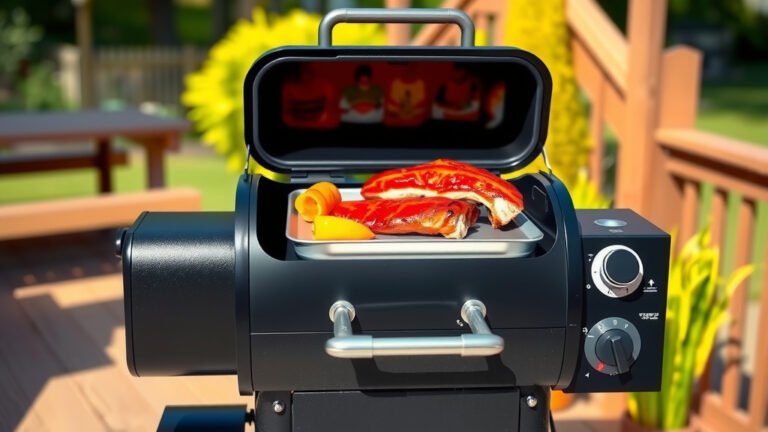
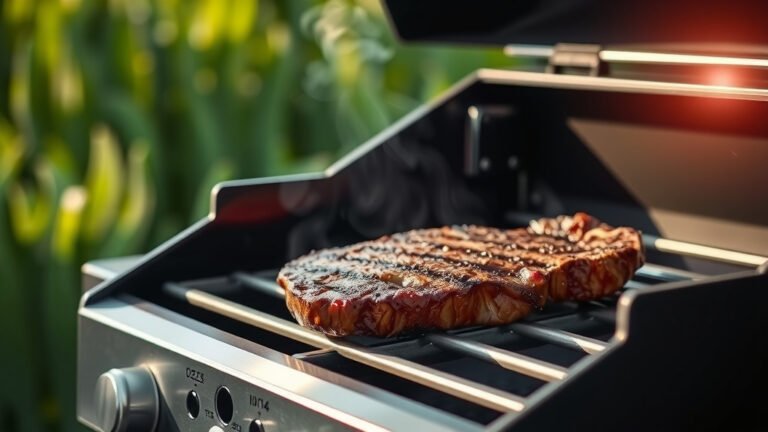
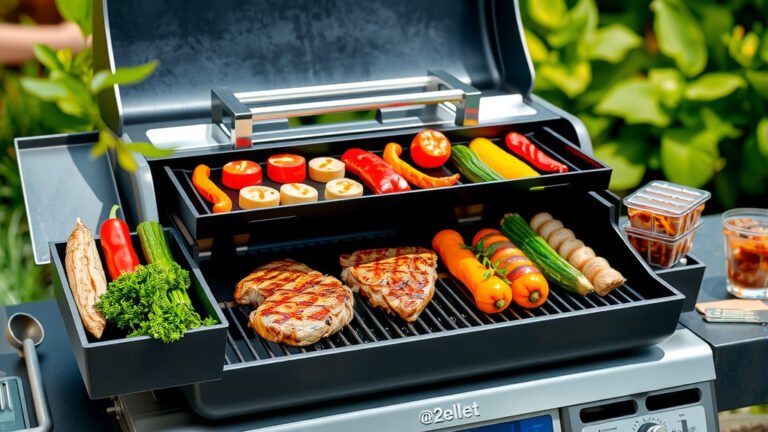
To cook beef ribs on a gas grill, you’ll want to use an indirect heat method, typically aiming for a low temperature around 275-300°F (135-150°C) to achieve tender, fall-off-the-bone results.
This approach involves setting up your gas grill with burners on one side and placing the beef ribs on the other, slowly cooking them over several hours.
Before diving into the full guide, here’s the quick takeaway for grilling beef ribs:
- Choose meaty ribs like plate or back ribs.
- Prepare them by removing the membrane and applying a good dry rub.
- Set your gas grill for indirect heat, keeping the temperature between 275-300°F.
- Cook the ribs slowly, monitoring for tenderness, usually for 3-5 hours.
- Rest them after cooking for the juiciest results.
How Do You Cook Beef Ribs On A Gas Grill?
Cooking beef ribs on a gas grill is all about managing heat and patience. You’re aiming for a slow roast, not a quick sear, to break down the tough fibers and create wonderfully tender meat.
Why Use a Gas Grill for Beef Ribs?
A gas grill gives you fantastic control over temperature. Unlike charcoal, you can easily adjust burner settings to maintain a steady, low heat for hours. This consistent environment is ideal for beef ribs, which benefit greatly from a “low and slow” cooking method.
Plus, you can add wood chips in a smoker box to introduce that wonderful smoky flavor. It’s truly the best of both worlds: control and flavor!
Picking the Best Beef Ribs for Grilling
Not all beef ribs are created equal, you know? The type you choose will affect your cooking time and the final tenderness. Always look for ribs with a good amount of meat on the bones.
Plate Ribs vs. Back Ribs
Plate ribs (often called “dino ribs”) come from the belly section and have a lot of meat. They are truly spectacular. Back ribs come from near the spine, usually with less meat, as most of it goes to steak cuts. Both are delicious, but plate ribs offer a more substantial meal (Mayo Clinic).
Essential Tools You’ll Need
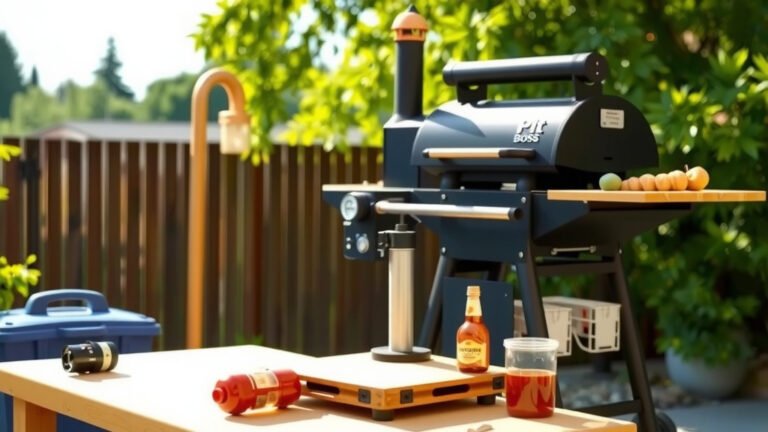
Having the right tools makes all the difference. You’ll want a reliable meat thermometer, some good tongs, and a spray bottle for moisture. Don’t forget heavy-duty aluminum foil!
Here’s a quick checklist:
- Fresh beef ribs
- Sharp knife
- Paper towels
- Your favorite dry rub
- Meat thermometer (probe type is best)
- Heavy-duty aluminum foil
- Spray bottle (for spritzing liquid)
- Tongs or grill gloves
Prepping Your Beef Ribs
Preparation is key to amazing ribs. It helps the rub stick and ensures a better texture. Many grill masters will tell you this step is non-negotiable.
Removing the Membrane
On the bone side of your ribs, there’s a thin, tough membrane. It doesn’t break down during cooking and can make your ribs chewy. We found that removing it creates a more tender bite.
Just slide a knife under the edge, lift it, and pull it off with a paper towel for grip. It might seem tricky at first, but it gets easier!
Applying Your Dry Rub
Once the membrane is gone, it’s time for flavor! Apply your favorite dry rub generously to all sides of the ribs. Don’t be shy; cover every inch. Some experts suggest letting the rub sit for at least 30 minutes, or even overnight, in the fridge (Cleveland Clinic).
This allows the flavors to really penetrate the meat. Think of it as giving the ribs a delicious flavor hug!
Setting Up Your Gas Grill for Indirect Heat
This is where the magic happens on a gas grill. You need to create a cooler zone where the ribs can cook slowly without direct exposure to high flames. It’s like having an oven outside.
Two-Zone Cooking Explained
For two-zone cooking, turn on one or two burners on one side of your grill to medium-low. Leave the burners on the other side completely off. This creates a “hot zone” and a “cool zone.” You’ll place your ribs in the cool zone.
Maintaining a Steady Temperature
Aim for a grill temperature between 275-300°F (135-150°C). Use your grill’s built-in thermometer, but a separate grill thermometer placed near the ribs offers more accurate readings. Adjust your active burners to keep the heat steady. Consistency is your friend here.
The Grilling Process: Step-by-Step
You’ve prepped, you’ve set up – now let’s cook! This process takes time, so settle in and enjoy the aroma.
Initial Cook Phase
Place your seasoned ribs, bone-side down, in the indirect heat zone. Close the lid and let them cook. For beef back ribs, plan for 3-4 hours. For larger beef plate ribs, it might be 5-6 hours or even more.
Keep the lid closed as much as possible to maintain temperature. “If you’re looking, it’s not cooking,” as the saying goes!
The Spritzing Technique
Around the 2-hour mark, and every 45-60 minutes after that, you can spritz your ribs. Use a spray bottle filled with apple cider vinegar, apple juice, or even beer. This helps keep the surface moist and prevents it from drying out.
It also helps build a beautiful bark on the outside.
Wrapping Your Ribs (Optional)
Some grillers like to wrap their ribs in foil after about 2-3 hours of cooking. This helps tenderize them faster and keeps them incredibly moist. Add a splash of apple juice or broth inside the foil before sealing.
Cook them wrapped for another 1-2 hours, then unwrap and place back on the grill for a final hour to firm up the bark.
When Are Your Beef Ribs Done?
The ribs are done when they are incredibly tender. The meat should pull away easily from the bone with a slight twist. The internal temperature for beef ribs should reach around 203-205°F (95-96°C) for optimal tenderness (NIH).
Use your meat thermometer inserted between the bones, not touching a bone, to check. It should feel like it’s sliding into soft butter.
Resting Your Ribs for Perfection
Once your ribs reach that perfect tenderness, take them off the grill. Tent them loosely with foil and let them rest for at least 15-20 minutes. We found that this resting period allows the juices to redistribute throughout the meat.
This ensures every bite is incredibly juicy and flavorful. Patience truly pays off here.
Adding Sauce: When and How
If you like saucy ribs, wait until the last 30 minutes of cooking, or even after they’ve rested. Applying sauce too early can cause it to burn, especially if it contains a lot of sugar.
Brush on your favorite barbecue sauce, let it tack up on the grill for a bit, and then serve. Some people prefer a dry rib with sauce on the side – it’s all up to you!
Troubleshooting Common Rib Grill Issues
Even seasoned grillers face challenges. Here’s a quick guide to help you out.
| Problem | Potential Cause | Solution |
|---|---|---|
| Dry Ribs | Too high heat, not enough moisture | Lower grill temp, spritz often, consider wrapping |
| Tough Ribs | Not cooked long enough | Extend cook time; tenderness is key, not just temp |
| Burned Rub/Bark | Direct heat too strong, sugar in rub burning | Ensure ribs are in true indirect zone; reduce grill temp |
| Uneven Cook | Grill hot spots, inconsistent temp | Rotate ribs every hour; use multiple accurate thermometers |
Ribs Are Too Dry
This often happens when your grill temperature is too high, or you’re not adding enough moisture during the cook. Remember, low and slow means just that. Keep that spritz bottle handy!
Temperature Fluctuations
Gas grills can have hot and cold spots. Get to know your grill. Adjust your burners subtly. Some people rotate their ribs every hour to ensure even cooking. This helps prevent one end from drying out while the other is still cooking.
Serving Suggestions for Your Masterpiece
What goes with amazing beef ribs? Classic sides like coleslaw, potato salad, corn on the cob, or baked beans are perfect. A simple green salad can also provide a fresh contrast. Don’t overthink it; the ribs are the star!
Conclusion
Cooking beef ribs on a gas grill might seem daunting, but with patience and the right technique, you can achieve incredibly tender and flavorful results. Focus on indirect, low heat, proper preparation, and don’t rush the process. Your guests will think you’re a barbecue wizard!
Frequently Asked Questions
How long does it take to cook beef ribs on a gas grill?
Cooking beef ribs on a gas grill typically takes between 3 to 6 hours when using an indirect heat method at a temperature range of 275-300°F (135-150°C). The exact time depends on the thickness and type of ribs (back ribs cook faster than plate ribs) and how consistently you maintain your grill’s temperature.
Do you wrap beef ribs on a gas grill?
Wrapping beef ribs in aluminum foil during the cooking process on a gas grill is an optional but popular technique. Many experts find that wrapping, usually after the first 2-3 hours of smoking/grilling, helps tenderize the meat faster and retains moisture, resulting in more succulent ribs. You can then unwrap them for the last hour to firm up the bark.
What temperature should beef ribs be cooked to?
For truly tender, fall-off-the-bone beef ribs, you’re aiming for an internal temperature around 203-205°F (95-96°C). It’s important to note that while this temperature indicates doneness, the ultimate sign is tenderness – the meat should easily pull from the bone when probed.
Can I use wood chips for smoke on a gas grill?
Yes, you can absolutely use wood chips to add smoky flavor to your beef ribs on a gas grill. Place moistened wood chips (like hickory, oak, or mesquite) in a smoker box or a foil pouch poked with holes. Position this directly over one of your active burners in the hot zone. This will create smoke that circulates around your ribs in the indirect cooking zone.
How do I prevent my beef ribs from drying out on the grill?
To prevent beef ribs from drying out on a gas grill, maintain a low, consistent indirect heat (275-300°F). Utilize a spritzing technique by misting the ribs every 45-60 minutes with apple cider vinegar or juice. Additionally, consider wrapping the ribs in foil for part of the cooking process to trap moisture, and always allow them to rest after cooking.