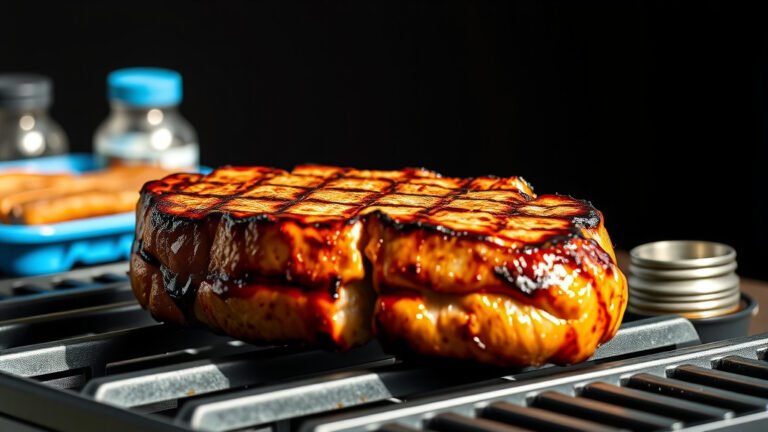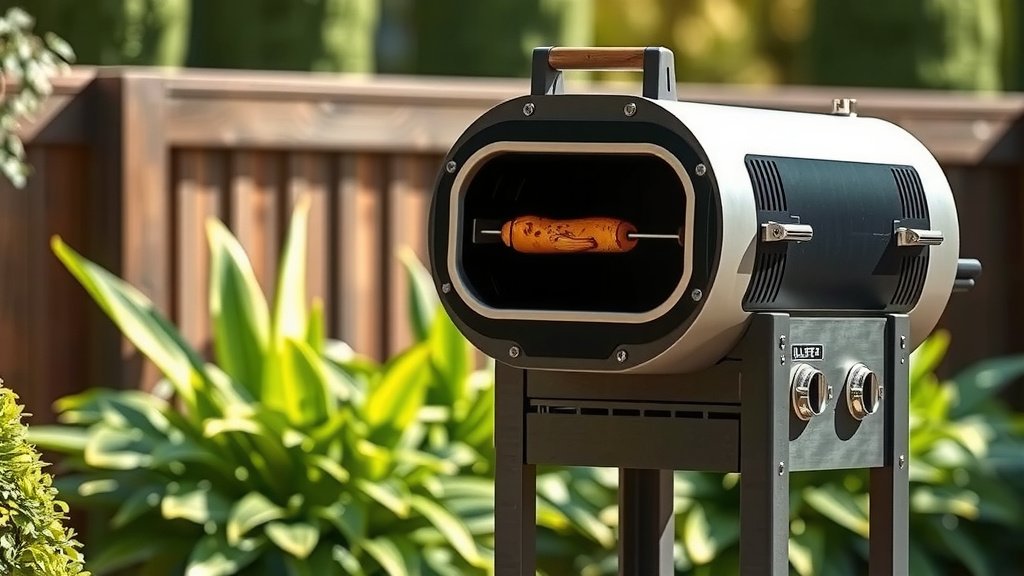
Yes, you absolutely can put a rotisserie on a pellet grill, provided your specific grill model is designed to accommodate one or you find a compatible universal kit.
Adding a rotisserie to your pellet grill opens up a world of slow-roasted, self-basting meats, combining the smoky flavor of pellets with the even cooking of a rotating spit.
- TL;DR:
- Most pellet grills can use a rotisserie, either with a custom kit or a universal one.
- Rotisserie cooking provides incredibly juicy, evenly cooked meat with great smoky flavor.
- Check your grill’s compatibility and measure carefully for the right kit size.
- Proper installation and balancing the meat are key to success.
- Enjoy succulent chicken, pork roasts, and more with this cooking method.
Can You Put A Rotisserie On A Pellet Grill?
The straightforward answer is yes, you can put a rotisserie on a pellet grill. Many popular pellet grill brands offer custom rotisserie kits designed for their specific models, making installation a breeze.
Even if your grill doesn’t have a dedicated kit, universal rotisserie systems often work well, requiring just a bit of careful measurement to ensure a proper fit.
The Short Answer: Yes, But With Considerations
You can definitely enjoy rotisserie cooking on your pellet grill. It’s a fantastic way to cook if you love tender, moist meat with a delicious crust.
However, it is important to know that not every pellet grill is automatically ready for a rotisserie out of the box. You will need the right accessories.
Why Consider a Rotisserie for Your Pellet Grill?
Why bother with a rotisserie, you ask? Well, imagine perfectly browned chicken or a succulent pork roast that practically bastes itself while it cooks.
Pellet grills are known for their smoky flavor and consistent temperatures, and adding a rotisserie just makes that experience even better, many cooking enthusiasts report.
Even Heat Distribution for Juicier Meats
A rotisserie constantly turns your food, ensuring that heat hits every part evenly. This rotation helps the meat cook uniformly from all sides.
This method prevents one side from drying out while another is still cooking, leading to incredibly juicy results that are hard to achieve with static grilling.
The “Set It and Forget It” Advantage
One of the best things about pellet grills is their ability to hold a steady temperature. Combine that with a rotisserie, and you get a true “set it and forget it” cooking experience.
You simply load your meat, set the temperature, and let the grill and rotisserie do the work. This hands-off approach leaves you free to enjoy your guests or other tasks.
What to Look for in a Pellet Grill Rotisserie Kit
Choosing the right rotisserie kit is important. You want something durable and compatible with your grill. It should be built to handle the heat and weight of your food.
Many experts suggest focusing on quality materials and a powerful motor, as we found in our research.
Universal vs. Brand-Specific Kits
Brand-specific kits are usually designed to fit your grill model perfectly. They often integrate seamlessly, making installation simple.
Universal kits, on the other hand, offer more flexibility. If your grill brand doesn’t offer a kit, a universal option might be your best friend, but measure your grill carefully first.
Motor Power and Weight Capacity
The rotisserie motor is the heart of the system. A powerful motor can handle heavier cuts of meat without struggling or stalling.
Check the kit’s weight capacity to ensure it can support what you plan to cook. Many experts recommend choosing a motor that exceeds your typical cooking weight, just to be safe.
Spit Rod Length and Forks
The spit rod needs to be long enough to span your grill’s cooking chamber, but not so long that it hits the lid or sides. Make sure it has enough clearance.
Rotisserie forks secure your meat to the spit. Look for sturdy, sharp forks that will hold the food firmly in place without slipping during rotation.
Installation: Is It a DIY Job?
Installing a rotisserie kit on a pellet grill is usually a straightforward process. Most kits come with clear instructions, and you might only need basic tools.
It’s certainly a DIY-friendly task for most home cooks and grill enthusiasts. We found that installation often takes less than an hour.
Checklist for Rotisserie Installation Prep
- Read the instructions carefully before starting.
- Ensure your grill is cool and unplugged for safety.
- Gather any necessary tools, such as screwdrivers or wrenches.
- Verify all kit parts are present and accounted for.
- Clear your workspace around the grill.
Overcoming Common Rotisserie Challenges
While rotisserie cooking is generally easy, you might encounter a few small challenges. Knowing them beforehand helps you prepare and avoid any mishaps.
Most issues are minor and easily fixed with a little planning and attention during the cooking process.
Maintaining Consistent Temperature
Pellet grills are great at temperature control. However, opening the lid frequently can cause temperature drops, affecting your cook time.
Trust your grill’s thermostat and avoid peeking too often. Use an internal meat thermometer for accurate readings without disturbing the cooking environment.
Dealing with Drippings and Flare-Ups
Rotisserie cooking often produces a lot of delicious drippings. These can sometimes cause flare-ups, especially with fattier meats.
Place a drip pan directly under your rotating meat to catch juices and prevent flare-ups. This also makes cleanup easier and gives you flavorful drippings for gravy.
Best Meats for Rotisserie on a Pellet Grill
Almost any roastable cut of meat can be cooked on a rotisserie. However, some meats truly shine with this method, becoming incredibly tender and flavorful.
Think about whole chickens, turkeys, pork loins, or even a boneless leg of lamb.
| Meat Type | Why It’s Great for Rotisserie | Pellet Flavor Pairings |
|---|---|---|
| Whole Chicken | Crispy skin, juicy meat; self-bastes beautifully. | Apple, Cherry, Hickory |
| Pork Loin/Roast | Tender and moist, great for absorbing smoke flavor. | Apple, Maple, Pecan |
| Turkey Breast | Prevents drying out; even cooking for a large piece. | Hickory, Oak, Mesquite (light) |
| Leg of Lamb (Boneless) | Rich flavor; slow rotation creates tender results. | Oak, Mesquite, Rosemary-infused pellets |
| Beef Roast (e.g., Sirloin) | Achieves a great crust while keeping the interior moist. | Hickory, Oak, Mesquite |
Tips for Rotisserie Success
Getting amazing results with your rotisserie is simple if you follow a few key tips. These will help ensure your food cooks perfectly every time.
Small details often make the biggest difference in your rotisserie cooking journey.
Using a Drip Pan
Always place a drip pan beneath your rotisserie meat. This catches all the rendered fat and juices, preventing messy flare-ups and making cleanup simple.
You can also add liquid to the drip pan, like broth or wine, to add moisture to the cooking environment and infuse extra flavor (USDA).
Balancing Your Meat
This is a big one! An unbalanced load will cause the motor to strain and the meat to cook unevenly. Take time to center and secure your meat on the spit.
Test the balance by rotating the spit by hand before turning on the motor. If it spins smoothly, you’re good to go.
Monitoring Internal Temperature
A good quality meat thermometer is your best friend here. Always cook to the recommended internal temperature for food safety and the best texture (FDA).
Insert the probe into the thickest part of the meat, avoiding bones, to get an accurate reading without removing the food from the rotisserie.
Flavor Profile: Smoke Meets Rotisserie
Combining the consistent rotation of a rotisserie with the smoky output of a pellet grill creates a truly unique flavor experience. The smoke gets to penetrate every part of the meat evenly.
You get that beautiful smoke ring and deep, rich flavor that only pellet grills can provide, along with the tender, self-basted juiciness of rotisserie cooking.
Cleaning Your Rotisserie Setup
After all that delicious cooking, cleaning is the final step. It’s usually quite easy. Most rotisserie parts are designed for quick cleanup.
Allow the parts to cool completely, then wash the spit rod and forks with warm, soapy water. The motor can typically be wiped down with a damp cloth.
Conclusion
Adding a rotisserie to your pellet grill is a fantastic upgrade for any backyard chef. It takes your smoky cooking to new levels of juiciness and flavor, making those special meals even more memorable.
With the right kit, a little preparation, and these simple tips, you’ll be enjoying perfectly roasted, self-basted meats that are sure to impress everyone at your next cookout. So, go ahead, give it a whirl!
Can all pellet grills accommodate a rotisserie kit?
Not all pellet grills are designed with rotisserie mounts or motor openings. It’s important to check your specific grill model’s specifications or consult the manufacturer’s website before purchasing a kit. Many brands, however, do offer compatible accessories.
Do I need a special type of pellet for rotisserie cooking?
No, you don’t need special pellets. You can use any hardwood pellets you prefer for your rotisserie cooks. Experiment with different wood types, like apple, hickory, or cherry, to find your favorite flavor combinations for various meats.
How do I prevent my meat from falling off the rotisserie spit?
To prevent meat from falling off, make sure your rotisserie forks are securely tightened and pushed deeply into the meat. For poultry, consider trussing it tightly with butcher’s twine to keep wings and legs close to the body, ensuring a compact, stable load.
Can I use a rotisserie for smaller items like vegetables or kebabs?
Yes, you can! While commonly used for larger roasts, a rotisserie can also cook smaller items. You might need special accessories like a rotisserie basket or flat skewers designed for rotating on a spit. These tools help ensure even cooking for smaller, delicate foods.
Is rotisserie cooking more fuel-efficient on a pellet grill?
Rotisserie cooking itself does not inherently make a pellet grill more fuel-efficient. The fuel consumption primarily depends on the cooking temperature and the duration. However, the even cooking means you’re less likely to overcook or burn parts, making the process itself efficient for yielding quality results.