
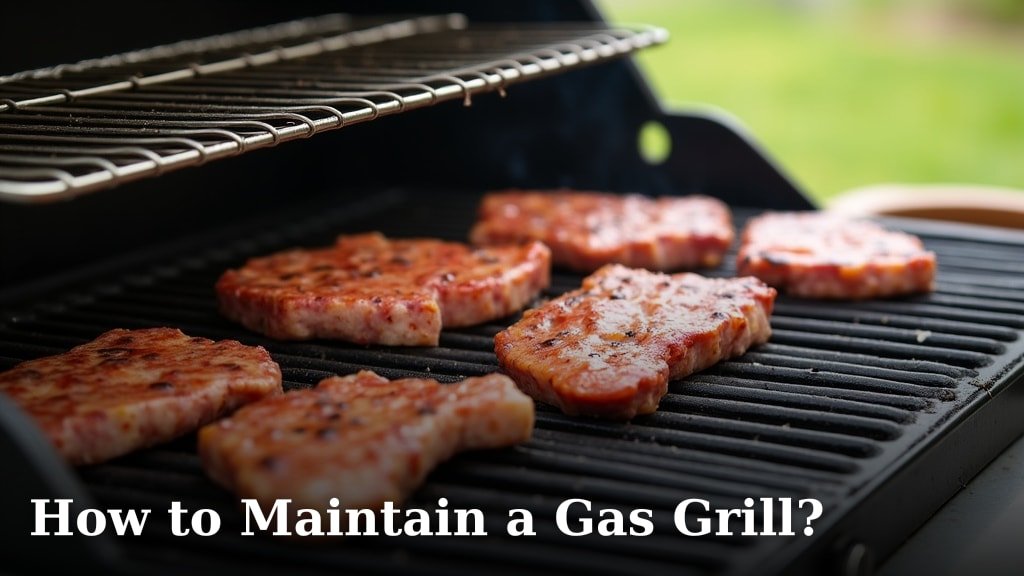
The easiest way to maintain your gas grill is with a regular cleaning schedule. This involves brushing the grates after each use and performing a deeper clean about twice a year. Keeping your grill clean prevents rust and ensures it cooks food evenly for years to come.
Proper maintenance goes beyond just good looks. It’s about ensuring your grill operates safely and efficiently. We found that neglecting upkeep can lead to flare-ups, uneven heating, and even damage to key components. A well-maintained grill is a happy grill!
- Brush grates after every cook.
- Clean grease traps regularly.
- Deep clean your grill twice a year.
- Check for gas leaks often.
- Inspect burners for clogs.
Let’s walk through exactly how to keep your gas grill in tip-top shape, ensuring delicious meals for every backyard barbecue. We’ll cover the essential steps to make this process simple and effective for you.
Keeping Your Gas Grill Pristine: A Maintenance Guide
Caring for your gas grill isn’t just about having a shiny backyard centerpiece. It’s about ensuring safe operation and perfect grilling every time. We found that consistent care prevents future headaches. Let’s break down how you can keep your grill performing like a champ.
Your Grill’s Best Friends: Regular Cleaning Habits
Think of cleaning your grill like brushing your teeth. A quick scrub after each use prevents buildup. This simple step is the most impactful thing you can do. It stops food particles and grease from hardening.
Post-Grill Brush-Down: The Quick Win
Right after you finish cooking, while the grates are still hot, grab a sturdy grill brush. This is the perfect time to tackle any stuck-on bits. Hot grates release food debris much more easily.
- Use a brush with stainless steel or brass bristles.
- Scrape each grate with firm pressure.
- Pay attention to any stubborn spots.
- Repeat until all grates are clean.
We found this quick routine takes mere minutes but makes a world of difference. It prevents the dreaded stuck-on food for your next cookout. Plus, it helps your grill heat more evenly.
Grease Management: Don’t Let it Overflow
Your grill’s grease trap or pan is designed to catch drippings. This prevents grease fires and keeps your grill cleaner. You need to empty and clean this regularly.
How often? It depends on how much you grill. If you cook fatty foods often, you might need to check it weekly. For lighter use, every month should be fine. We found that a grill thermometer can help you monitor temperature more accurately, which also helps prevent flare-ups caused by grease.
Cleaning the Grease Pan
First, ensure the grill is cool. Then, carefully remove the grease pan or tray. Scrape out any solid gunk. For tougher residue, you can use warm, soapy water and a non-abrasive sponge. Rinse thoroughly and let it dry completely before putting it back.
Some grill models have disposable foil liners for their grease pans. These make cleanup even easier. Just pull out the old liner and pop in a new one. We found these are a real time-saver for busy grill masters.
The Deep Dive: Semi-Annual Grill Overhaul
Beyond the daily brushing and regular grease trap checks, your grill needs a more thorough cleaning. Many experts recommend doing this deep clean twice a year. Think of it as a spring tune-up and a fall hibernation prep.
Taking Stock: What to Look For
Before you start scrubbing, it’s wise to do a visual inspection. Look for any signs of wear and tear. Check for rust spots, loose parts, or damage to the burners.
- Inspect the grill lid for rust or peeling paint.
- Check the housing and side shelves for damage.
- Look at the wheels to ensure they roll smoothly.
We found that this initial check helps you identify any potential issues early. It’s better to fix a small problem now than let it become a major repair later.
Tackling the Grates: A Deeper Clean
For the semi-annual clean, you might want to remove the cooking grates entirely. This allows for a much more thorough cleaning.
You can soak them in hot, soapy water. A degreaser specifically designed for grills can also work wonders. Scrub them with a stiff brush or steel wool. Rinse them well and make sure they are completely dry before putting them back. This prevents immediate rust.
Burner Bliss: Ensuring Proper Flame
The burners are the heart of your grill. Clogged burners lead to uneven heat and poor performance. You need to keep them clear of debris.
First, remove the cooking grates and any heat diffusers. Then, carefully inspect the burner tubes. Look for any holes or obstructions. You can use a small wire brush or a specialized tool to clean out the ports.
Many grill manufacturers suggest using a paperclip or a small drill bit to clear individual burner holes. Be gentle so you don’t enlarge them. We found that a clean burner produces a nice, even blue flame with yellow tips.
Checking the Venturi Tubes
Venturi tubes are where air and gas mix. If these get clogged with spiderwebs or debris, your burners won’t get enough air. This can cause yellow or orange flames. You can usually clean these with a pipe cleaner or a narrow brush.
Inside the Firebox: Clearing Out Debris
The inside of your grill, often called the firebox, can accumulate a lot of gunk. Scrape down the sides and bottom of the firebox. Use a putty knife or a similar tool to loosen baked-on grease. Brush away all the loose debris.
Many grill models have a drip pan beneath the firebox. Make sure this is clean and free of old grease. If your grill has a heat shield or baffle system, remove these components for cleaning as well. We found that a shop vac can be really helpful for sucking out loose debris from the bottom of the firebox.
Safety First: Gas Line and Leak Checks
Gas grills use propane or natural gas, so safety is non-negotiable. Regularly checking your gas connections is vital.
The Soapy Water Test: Finding Leaks
This is a simple yet effective way to check for leaks. Mix a solution of half water and half dish soap. With your grill connected to the gas source and turned on (but burners off), liberally apply the soapy water to all gas connections, hoses, and regulator.
If you see bubbles forming, you have a leak. Turn off the gas immediately. Do not use the grill until the leak is fixed. We found that many experts at the National Fire Protection Association (NFPA) stress the importance of this simple test.
What to Do About Leaks
If you find a leak, try tightening the connection. If the bubbling continues, you may need to replace the hose, regulator, or fitting. Never attempt to use a grill with a known gas leak. If you’re unsure, it’s best to call a qualified technician.
Hose Inspection: Looking for Wear and Tear
Your gas hose can become brittle or cracked over time, especially if exposed to the elements. Inspect the entire length of the hose for any signs of damage. Look for cuts, kinks, or abrasions. A damaged hose is a safety hazard.
Don’t Forget the Exterior!
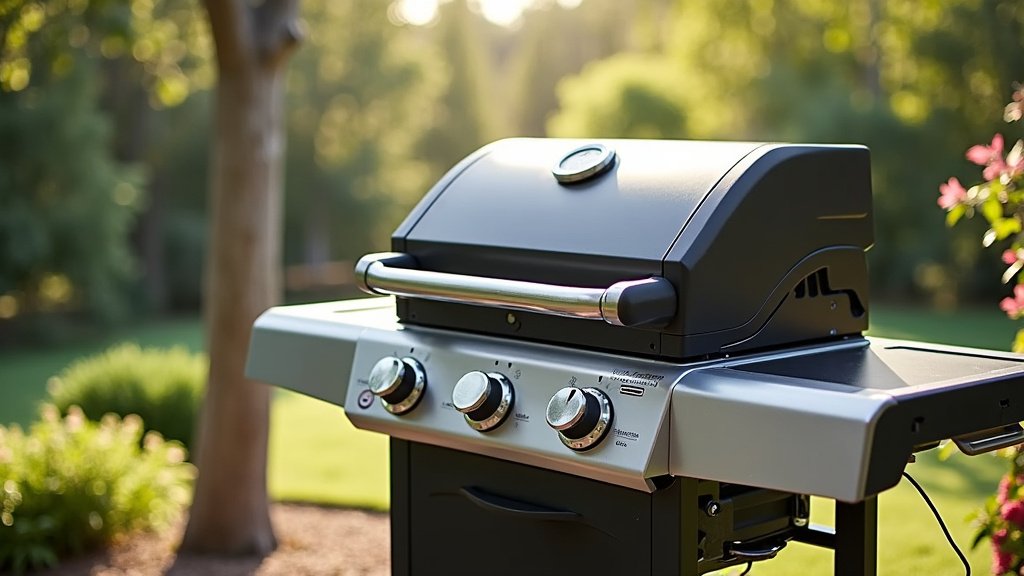
While the internal components are crucial for performance, the outside matters too. Keeping the exterior clean keeps your grill looking good and prevents rust.
Washing Your Grill’s Body
Use a mild soap and water solution to clean the lid, side shelves, and cart. A soft cloth or sponge works best. For stainless steel grills, use a cleaner specifically designed for stainless steel to avoid streaks and maintain the finish. Always wipe in the direction of the grain.
We found that cleaning the exterior regularly also makes the deeper cleaning process easier. It prevents dirt and grime from becoming baked on.
Protecting Your Investment: Grill Covers and Storage
When your grill isn’t in use, especially during off-seasons, a good grill cover is your best friend. It shields your grill from rain, snow, dust, and UV rays.
Ensure the cover is breathable to prevent moisture buildup, which can lead to rust. If you live in a harsh climate, consider storing your grill in a garage or shed during the winter months. We found that many manufacturers recommend this to extend the life of the grill.
Simple Grill Maintenance Checklist
Here’s a quick list to keep your grill in prime condition:
- Brush grates after every use.
- Check and clean grease traps monthly (or more often if needed).
- Perform a deep clean of the interior twice a year.
- Inspect gas hoses and connections regularly for damage and leaks.
- Keep the exterior clean with soap and water.
- Use a quality grill cover when not in use.
By following these steps, you’ll ensure your gas grill remains a reliable tool for countless delicious meals. Happy grilling!
Conclusion
You’ve learned how simple it can be to keep your gas grill in top condition. Regular brushing after each use and a deeper clean twice a year are your biggest allies. Don’t forget to manage grease, check your gas lines for safety, and protect your grill with a cover. Consistent care ensures better cooking performance and a longer lifespan for your grill. For your next steps, pick a day next week to tackle that semi-annual deep clean. Your grill will thank you with perfectly cooked meals!
Frequently Asked Questions
How often should I clean my gas grill grates?
You should brush your grill grates after every single use. This quick step prevents food residue from hardening. We found this is the easiest way to maintain them.
What’s the best way to check for gas leaks?
Mix water and dish soap, then apply it to your gas connections while the gas is on. If you see bubbles forming, there’s a leak. Turn off the gas immediately and fix it before grilling again.
Can I use steel wool to clean my grill grates?
Yes, steel wool or a stiff wire brush can be effective for tougher grime, especially during a deep clean. Just make sure the grates are completely dry afterward to prevent rust.
Why do my grill burners sometimes have yellow flames?
Yellow or orange flames usually mean your burners are clogged and not getting enough air. This can be due to debris or spiderwebs in the Venturi tubes. Cleaning them out should restore the proper blue flame.
Is it okay to leave my grill outside uncovered in the winter?
We don’t recommend it. While some grills are built for outdoor living, prolonged exposure to harsh weather can cause rust and damage. Using a breathable cover or storing it in a garage is best.
