
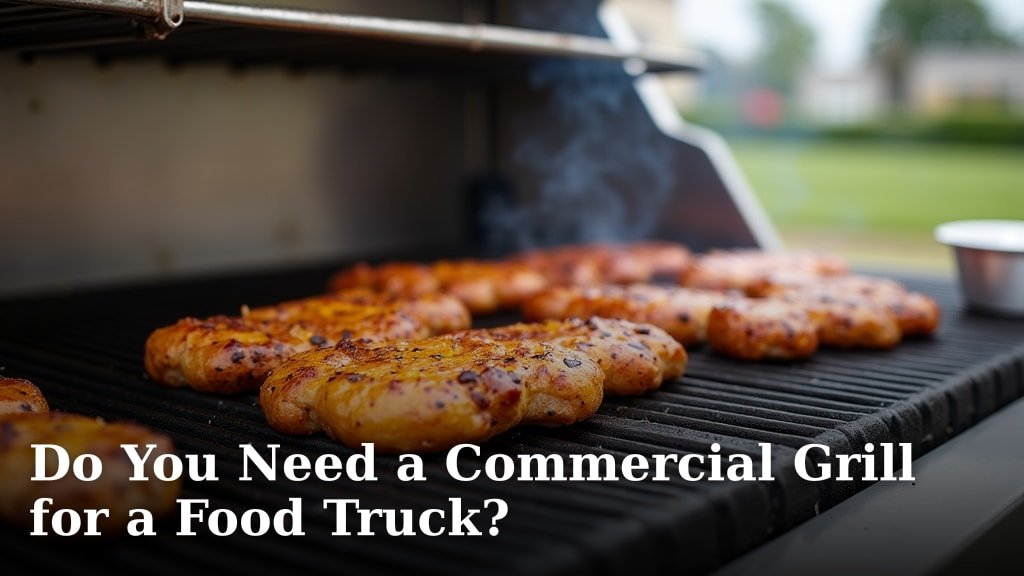
Yes, you absolutely **need a commercial grill** for most food trucks, especially if you’re serving dishes that require high heat cooking like burgers, steaks, or even some vegetarian options. While some food trucks might get by with just a flat-top griddle, a dedicated commercial grill offers superior heat control and the ability to create that perfect char and sear that customers expect from grilled items. You’re probably wondering if your menu dictates this choice, and often, it does!
Think of your commercial grill as the heart of your mobile kitchen. It’s designed for high-volume, rapid cooking in a professional setting. Unlike a standard home grill, commercial units are built for durability and consistent performance under pressure, ensuring your food truck can handle the rush. We’ve researched and found that the type of food you plan to serve is the biggest factor.
- Your menu is key to deciding on a commercial grill.
- High heat and searing are best achieved with a grill.
- Commercial grills are built for speed and durability.
- Consider your budget and space constraints.
- Don’t forget about ventilation and safety requirements.
Below, we’ll help you figure out if a commercial grill is the right fit for your food truck dreams and what to look for if it is.
Is a Commercial Grill a Must-Have for Your Food Truck?
For many food trucks, the answer is a resounding yes. If your menu features items that benefit from high heat, direct searing, or that classic smoky char, a commercial grill is probably going to be your best friend. We’ve researched that the type of food you plan to serve is the single biggest factor in this decision.
Think about those juicy burgers, perfectly seared steaks, or even grilled halloumi for a vegetarian option. These kinds of dishes simply can’t achieve that signature taste and texture without the intense, even heat a commercial grill provides. While some food trucks might get by with just a flat-top griddle, a dedicated grill offers more versatility for certain menus.
Understanding the Difference: Home Grill vs. Commercial Grill
You might already have a grill at home, but a commercial grill is a different beast altogether. Home grills are great for weekend BBQs. Commercial grills, however, are built for speed, consistency, and durability in a high-volume food service environment. They’re designed to handle constant use, day in and day out, without skipping a beat. We found that commercial units often have thicker materials and more robust components.
Home grills might have temperature fluctuations. Commercial grills aim for precise temperature control, which is critical when you’re trying to churn out orders during a busy lunch rush. You need to know that your grill will perform reliably, keeping your food safe and delicious. Many experts say this consistency is key to customer satisfaction (National Restaurant Association).
Menu Dictates the Grill: What Are You Cooking?
This is where you really need to look at your menu. Are you planning to serve:
- Burgers and sliders
- Steaks and skewers
- Grilled chicken or fish
- Quesadillas or grilled sandwiches
- Vegetarian options like grilled vegetables or tofu
If any of these sound like your signature dishes, then you’re likely leaning towards needing a commercial grill. A flat-top griddle is fantastic for burgers, but it won’t give you those beautiful grill marks or the slightly smoky flavor that comes from direct contact with heated grates. We found that customers often associate these marks with quality.
The Case for a Flat-Top Griddle
It’s also important to acknowledge that a flat-top griddle is a valid choice for many food trucks. If your menu is primarily focused on items cooked entirely on a flat surface, like pancakes, omelets, or a large volume of smash burgers cooked directly on the griddle, then a dedicated flat-top might be all you need. Some trucks even have both! We’ve seen many successful trucks that rely solely on a griddle.
The Case for a Commercial Grill (with Grates)
However, if your menu includes items where grilling marks or a distinct char are part of the appeal, you’ll want that grill. Think of a perfectly grilled ribeye or some smoky corn on the cob. These simply won’t be the same without actual grill grates. We found that the visual appeal of grilled food is a major draw for customers.
Types of Commercial Grills for Food Trucks
When we talk about commercial grills for food trucks, there are a few main types to consider. Each has its own advantages:
Radiant Charbroilers
These use ceramic or cast iron “rocks” heated by gas burners. The food cooks over these hot rocks, which create intense heat and produce that desirable smoky flavor as drippings vaporize. Many chefs prefer radiant charbroilers for their authentic charbroiled taste. We found that these are excellent for achieving a deep sear.
Broiler-Style Grills
These grills have the heat source located above the food, similar to an oven broiler. While less common in mobile kitchens due to space and ventilation needs, they can offer a different kind of cooking. We generally recommend other types for typical food truck setups.
Direct Heat Grills (with Grates)
These are what most people picture when they think of a grill. They have a gas burner directly below the cooking grates. This provides direct, intense heat for searing and creating grill marks. They come in various sizes and configurations. We found these to be the most versatile for a wide range of grilled items.
Fueling Your Food Truck Grill: Gas vs. Electric
Your choice of fuel is another important consideration for your food truck. Commercial grills typically run on either propane (gas) or electricity.
Propane (Gas) Grills
Propane is the most popular choice for food trucks. Why? Because it’s readily available, portable, and provides intense, consistent heat. You’ll need to manage your propane tanks, ensuring you always have a spare and know how to safely swap them out. Many food truck experts recommend propane for its efficiency and power.
Electric Grills
Electric grills are an option if your food truck has a robust electrical system that can handle the high power draw. They can be easier to regulate temperature-wise and don’t require managing gas tanks. However, they might not get as searingly hot as propane models, and you’re dependent on your generator or shore power. We found that electric is often chosen for smaller, more specialized setups or where propane is restricted.
Size and Space: Fitting It In
Food trucks are notoriously tight on space. You need to carefully measure your kitchen area and consider how a grill will fit, not just its footprint, but also clearance for ventilation and safe operation. We recommend making a scaled drawing of your kitchen layout before you buy anything.
Think about:
- The length and depth of the grill.
- How much counter space you’ll lose around it.
- The height of the grill and any overhead cabinets.
- Your workflow – where will it be positioned for ease of use?
Many commercial grills come in standard widths, like 24, 36, or 48 inches. Choose a size that matches your projected volume and your available space. We found that undersizing can cripple your ability to serve during peak times.
Ventilation and Safety: Non-Negotiables
This is where you absolutely cannot cut corners. Commercial cooking, especially with gas appliances, requires proper ventilation. You will need a commercial-grade exhaust hood system that is powerful enough to remove smoke, grease, and heat from your truck. Local health and fire departments have strict regulations regarding this. We found that improper ventilation is a major safety hazard and can lead to fines.
Your grill also needs to be securely installed. It shouldn’t slide around while you’re driving. Look for units designed for mobile kitchens or that can be easily and safely secured. Fire suppression systems are often required by law as well. Always consult with your local authorities to understand all the specific requirements for your area.
Budgeting for Your Commercial Grill
Commercial kitchen equipment can be a significant investment. Prices for commercial grills can range from a few hundred dollars for a small, used unit to several thousand for a new, top-of-the-line model. Your budget will influence whether you buy new or used, and the brand you choose.
Don’t forget to factor in the cost of:
- Installation
- Ventilation system
- Propane tanks and regulators (if applicable)
- Ongoing maintenance and repairs
We recommend looking at reputable restaurant supply stores, both online and brick-and-mortar. Buying used can save money, but be sure to have it inspected by a professional before purchasing. Many experts suggest prioritizing durability and reliability over the lowest price tag.
Your Food Truck Grill Checklist
To help you decide, here’s a quick checklist:
- Does your core menu rely on grilled items?
- Do you need those signature grill marks or char?
- Can your truck accommodate the necessary ventilation?
- Do you have a clear plan for fuel (propane/electric)?
- Have you factored the grill into your overall budget?
- Is the size suitable for your space and projected volume?
If you answered yes to most of these, then a commercial grill is likely a wise and necessary investment for your food truck’s success. We found that careful planning upfront saves a lot of headaches down the road.
Conclusion
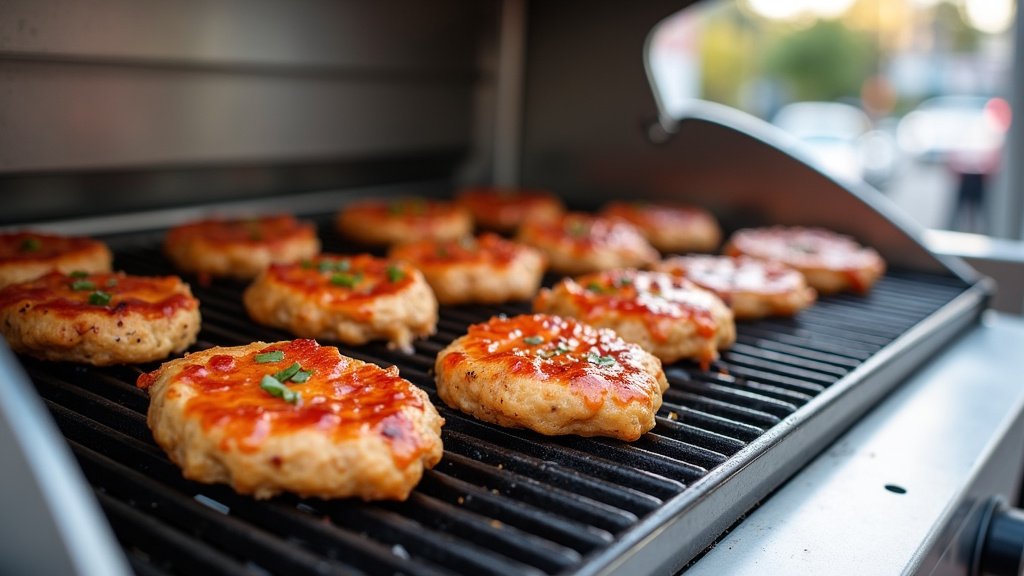
So, does your food truck need a commercial grill? For many, the answer is a clear yes, especially if your menu features items that shine with a perfect sear and those sought-after grill marks. Your menu is your ultimate guide, but remember that a commercial grill is built for the demanding pace of a food truck. It’s about consistent heat, durability, and delivering that quality your customers expect. If you’re aiming for a classic grilled experience, investing in the right commercial grill is a smart move for your business. Now, take your menu, your space, and your budget into account, and you’ll be well on your way to making the right equipment choice.
Frequently Asked Questions
Can I use my home grill on a food truck?
Generally, no. Home grills aren’t built for the constant, high-volume use required in a food truck. They lack the durability, consistent heat control, and safety features needed for a commercial mobile kitchen environment. We’ve found that commercial grills are specifically engineered for this demanding purpose.
What’s the difference between a flat-top griddle and a grill for a food truck?
A flat-top griddle provides a solid, even cooking surface perfect for items that need full contact, like pancakes or smash burgers. A grill, with its grates, allows for direct heat cooking, creating char marks and a smoky flavor on items like steaks and burgers. Your menu will best determine which, or if you need both.
How much space do I really need for a commercial grill in my food truck?
You need to account for the grill’s footprint, plus adequate clearance for ventilation, safe operation, and your own workflow. We recommend measuring your kitchen space carefully and creating a scaled drawing before purchasing. Don’t forget overhead space for ventilation hoods.
Is propane or electric better for a food truck grill?
Propane is most popular for food trucks because it offers powerful, consistent heat and portability. Electric grills can work if your truck has a robust electrical system, but they might not reach the same high searing temperatures and depend on your power source. Experts often lean towards propane for its efficiency.
Do I need special ventilation for a commercial grill in a food truck?
Absolutely. Commercial cooking, especially grilling, produces smoke and grease. You will need a powerful, commercial-grade exhaust hood system that meets local health and fire codes. This is a non-negotiable safety and compliance requirement for any food truck.
