
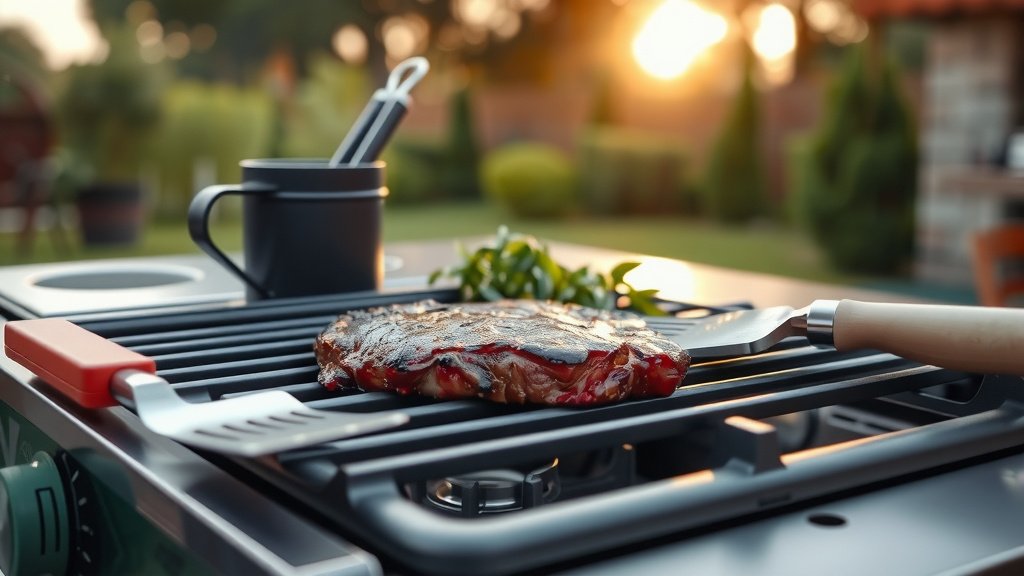
To grill a steak medium-rare on a gas grill, aim for an internal temperature between 130°F and 135°F using a reliable meat thermometer. You’ll want to sear it over high heat initially, then move it to a cooler zone to finish cooking.
Achieving a perfectly cooked medium-rare steak on your gas grill involves careful temperature control and knowing your steak’s thickness. This guide will walk you through each step for that tender, juicy result you crave.
Here’s the quick scoop on grilling your steak to a perfect medium-rare:
- Choose a good quality steak, about 1-1.5 inches thick.
- Season your steak generously before grilling.
- Preheat your gas grill to high heat (450-500°F) for searing.
- Sear for 2-3 minutes per side, then move to indirect heat.
- Use a meat thermometer to pull the steak at 125-130°F.
- Rest your steak for 5-10 minutes to finish cooking and redistribute juices.
How To Grill Steak Medium Rare On Gas Grill?
Grilling a steak medium-rare on a gas grill means cooking it until the center reaches a final temperature of 130-135°F, showing a warm red core. This creates a tender, juicy result with a beautiful sear.
Picking the Perfect Steak
The journey to a great steak starts at the butcher. Look for cuts like ribeye, New York strip, or sirloin. We found that a steak about 1 to 1.5 inches thick works best for medium-rare on a gas grill (USDA guidelines). Thicker steaks offer a better sear without overcooking the center. Thinner steaks cook too fast.
Thickness Matters for Timing
Why is thickness so important? A thinner steak can go from rare to well-done very quickly. A thicker steak gives you more control. This allows for a great crust while keeping the inside perfectly pink.
Prepping Your Steak for Success
Before any heat touches your steak, a little prep goes a long way. This stage is where you build flavor and ensure an even cook. Don’t skip these simple but important steps.
Bring It to Room Temperature
Take your steak out of the fridge about 30-60 minutes before grilling. This step helps it cook more evenly. Many experts say a steak closer to room temperature prevents the outside from burning before the inside warms up.
Pat It Dry
Use paper towels to pat both sides of your steak completely dry. Why do this? Moisture on the surface steam-fries your steak instead of searing it. A dry surface is key for a fantastic, crispy crust.
Season Generously
Seasoning is simple but vital. We found that coarse salt and freshly ground black pepper are often all you need. Don’t be shy! A generous coating helps form that delicious crust. Some people add garlic powder or other spices too.
Setting Up Your Gas Grill
A gas grill gives you excellent control over temperature. You’ll want to create different heat zones. This setup allows you to sear your steak intensely and then finish it gently.
Preheat to Perfection
Always preheat your grill. Turn all burners to high, close the lid, and let it heat for 10-15 minutes. You’re aiming for a grate temperature around 450-500°F for searing. A hot grill prevents sticking and gives you that beautiful crust.
Two-Zone Grilling Strategy
This is crucial for medium-rare steak. Turn off one or two burners on one side of your grill. Keep the remaining burners on high. This creates a “direct heat” zone and an “indirect heat” zone. You’ll start on direct heat and move to indirect.
Grilling Your Steak: The Steps
Now, let’s get that steak on the grates. This is where timing and temperature meet. Remember, every grill is a little different, so stay attentive.
Searing for Flavor
Place your seasoned, dry steak directly over the hottest part of the grill. Close the lid if your grill cools quickly, but keep a close eye on it. Sear for about 2-3 minutes per side. This develops a beautiful brown crust, full of flavor.
Moving to Indirect Heat
After searing, move the steak to the cooler, indirect heat side of the grill. Close the lid. This allows the internal temperature to rise slowly without burning the outside. This gentle cooking is perfect for achieving medium-rare.
Internal Temperature: Your Best Friend
Guessing doneness is a recipe for disappointment. A reliable meat thermometer is your secret weapon. This tool ensures you hit that perfect medium-rare every time.
Target Temperatures for Medium-Rare
For medium-rare, we found that you should remove the steak from the grill when it reaches 125-130°F. The steak will continue to cook a few more degrees as it rests, a process called carryover cooking. This gets you to the ideal 130-135°F final temperature.
| Doneness Level | Target Grill Temp (Pull From Grill) | Final Rested Temp | Center Appearance |
|---|---|---|---|
| Rare | 120-125°F | 125-130°F | Cool Red Center |
| Medium-Rare | 125-130°F | 130-135°F | Warm Red Center |
| Medium | 130-135°F | 135-140°F | Warm Pink Center |
| Medium-Well | 140-145°F | 145-150°F | Slightly Pink Center |
| Well-Done | 150-155°F | 155-160°F | No Pink |
How Long to Grill? (Approximate Times)
Grilling times can vary widely based on steak thickness, grill temperature, and even outside weather. These are general guidelines for a 1-inch thick steak:
- Sear on high heat: 2-3 minutes per side.
- Indirect heat: 3-5 minutes more, or until 125-130°F internal temp.
Always use your thermometer for accuracy, not just time. Time is a guide, temperature is the truth.
The All-Important Resting Period
You’ve grilled your steak perfectly, but you’re not quite done. Resting is a non-negotiable step. It ensures a juicy steak every time.
Why Resting Matters
When meat cooks, the muscle fibers tighten and push juices to the center. If you cut into it immediately, those juices will gush out onto your cutting board. Resting allows the fibers to relax and the juices to redistribute throughout the steak. This keeps your steak moist and flavorful. Many experts advise resting for about 5-10 minutes, tented loosely with foil.
Quick Checklist for Grilling Medium-Rare Steak
Here’s a fast recap to ensure you hit all the key points:
- ✅ Steak at room temperature?
- ✅ Steak patted completely dry?
- ✅ Generously seasoned?
- ✅ Grill preheated to 450-500°F?
- ✅ Two-zone setup (direct and indirect heat)?
- ✅ Meat thermometer ready?
- ✅ Foil for resting prepared?
Avoiding Common Grilling Mistakes
Even seasoned grillers can make mistakes. Knowing what to watch out for helps you avoid them. Don’t let simple errors ruin your perfect steak.
Don’t Flip Too Often
Resist the urge to constantly flip your steak. For a good sear, you need to leave it undisturbed on the hot grates. We found that one or two flips are usually plenty. This lets a solid crust form.
Don’t Press the Steak
Never press your steak down with a spatula. This just squeezes out all the delicious juices. Think of it like squeezing a sponge. You’re trying to keep that moisture in the meat.
Forgetting the Thermometer
We’ve said it before, but it bears repeating. Without a thermometer, you’re guessing. Guessing can lead to overcooked, dry steak. A thermometer is an essential tool for consistent results (Mayo Clinic).
Conclusion
Grilling a steak medium-rare on a gas grill is a rewarding experience when done right. By following these steps—from proper steak selection and seasoning to precise temperature control and crucial resting—you’re set for success. The key is understanding your grill, using a thermometer, and giving your steak the attention it deserves. Enjoy that perfectly tender, juicy, and flavorful steak!
What is the best type of steak for medium-rare grilling?
Ribeye, New York strip, and sirloin are excellent choices for medium-rare grilling. Their marbling and thickness make them ideal for achieving a tender interior with a good sear.
How do I know my gas grill is hot enough for searing?
You’ll know your gas grill is hot enough when it reaches a temperature of 450-500°F, usually after preheating for 10-15 minutes with the lid closed. You can test it by holding your hand briefly about 5 inches above the grates; it should feel intensely hot for only 1-2 seconds.
Can I achieve medium-rare if my steak is less than an inch thick?
While possible, it’s much harder to hit medium-rare with a thin steak. They cook very fast, making it difficult to get a good sear without overcooking the inside. Thicker steaks (1-1.5 inches) offer more control.
What if my steak is thicker than 1.5 inches?
For steaks thicker than 1.5 inches, you might consider using the reverse sear method. This involves cooking the steak at a lower indirect temperature first, then finishing with a quick sear over high heat. This ensures a more even cook throughout a very thick cut.
Is it okay to cut into my steak to check for doneness?
Cutting into your steak to check doneness lets out valuable juices, leading to a drier result. A good instant-read meat thermometer is the best tool. It gives you an accurate temperature reading without compromising the steak’s juiciness.
