
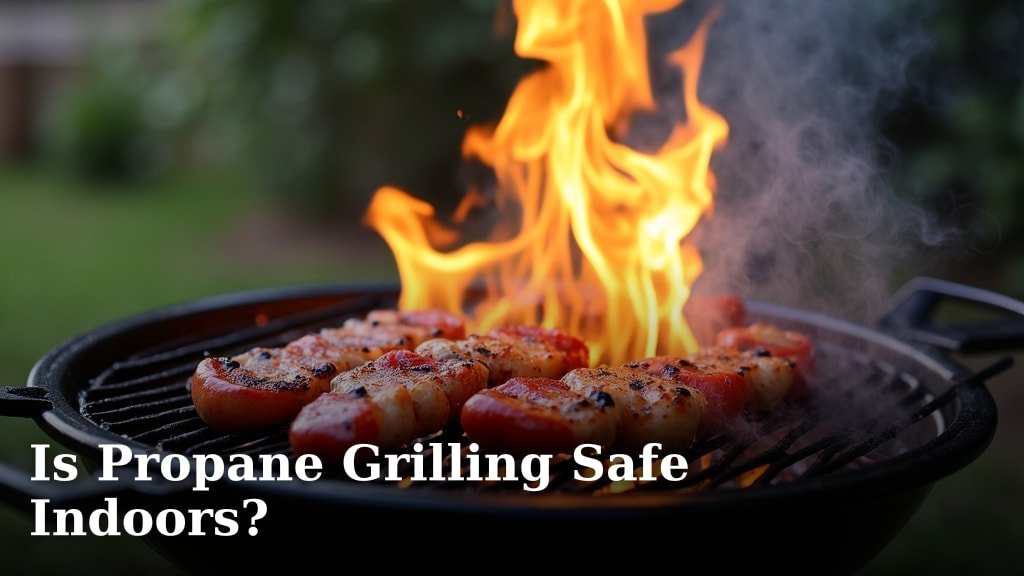
No, grilling with propane indoors is absolutely not safe and can be very dangerous. Propane grills produce carbon monoxide, a deadly, odorless gas. Burning propane indoors can quickly lead to dangerous levels of this gas, posing a serious health risk to everyone in your home.
Even with some ventilation, using a propane grill inside is a hazard. The risk of fire is also much higher in enclosed spaces. Many experts strongly advise against this practice due to the potential for fatal carbon monoxide poisoning and property damage from uncontrolled fires.
- Propane grills produce deadly carbon monoxide gas.
- Never use a propane grill inside your home.
- Carbon monoxide is odorless and invisible.
- Fire risk is significantly increased indoors.
- Always grill in a well-ventilated outdoor area.
Let’s walk through exactly why this is so important and what you can do instead to enjoy your grilling experience safely.
Is Propane Grilling Safe Indoors? A Clear Answer
Let’s be crystal clear from the start: using a propane grill inside your home is extremely dangerous. We understand the desire for convenience, especially on a chilly evening. But when it comes to propane and enclosed spaces, the risks simply outweigh any perceived benefit. Your safety and the safety of your loved ones are far too important to gamble with. We’ve researched this thoroughly, and the consensus is unanimous among safety experts.
The Deadly Threat: Carbon Monoxide
The biggest danger of bringing a propane grill indoors is the production of carbon monoxide (CO). Propane, when it burns, releases this gas as a byproduct. Even grills designed for outdoor use can produce CO. Inside your home, where ventilation is limited, this gas can build up very quickly.
What is Carbon Monoxide?
Carbon monoxide is often called the “silent killer.” It’s a colorless and odorless gas, meaning you can’t see it or smell it. This makes it incredibly insidious. You might not even know you’re being exposed until it’s too late. CO poisoning can happen anywhere fuel-burning devices are used in poorly ventilated areas.
How CO Affects Your Body
When you inhale carbon monoxide, it enters your bloodstream and attaches to hemoglobin. This is the same part of your blood that carries oxygen. CO is much better at binding to hemoglobin than oxygen is. This means it effectively blocks oxygen from reaching your vital organs, like your brain and heart.
- Symptoms can start mild and become severe rapidly.
- Early signs include headache, dizziness, and nausea.
- As exposure increases, confusion, weakness, and shortness of breath can occur.
- At high levels, CO can cause unconsciousness and even death.
The Centers for Disease Control and Prevention (CDC) provides critical information on CO poisoning. They stress that symptoms can mimic the flu. This is why it’s so easy to dismiss them until the situation is dire. Tragically, many people do not realize they are being poisoned until it is too late.
Why Indoor Grilling is a CO Hotspot
Outdoor grills are designed with open-air use in mind. They rely on constant airflow to dissipate combustion byproducts like CO. Your home, by contrast, is designed to keep air in. This traps any gases produced. Even if you open a window or door, it’s often not enough to prevent a dangerous buildup of carbon monoxide. Research from fire safety organizations consistently warns against this practice.
The Other Major Hazard: Fire Risk
Beyond the invisible threat of carbon monoxide, there’s the very visible and immediate danger of fire. Propane grills get extremely hot. They produce open flames and deal with flammable fuel. Bringing this into an environment filled with combustible materials is a recipe for disaster.
Enclosed Spaces and Flammable Materials
Think about what’s typically found inside a home: curtains, furniture, carpets, paper products, and cleaning supplies. These items can ignite very easily. A misplaced flare-up from your grill, a dropped piece of charcoal, or even grease splattering onto a nearby surface can start a fire. This fire can then spread rapidly throughout your home.
Accidental Ignitions and Heat Transfer
Even if your grill doesn’t directly touch anything flammable, the radiant heat it produces can be an issue. Walls, wooden cabinets, and appliances can all be damaged or ignited by prolonged exposure to heat. Many house fires are started by accidental ignitions. Using a propane grill indoors dramatically increases that possibility.
Ventilation: Is It Enough?
You might be thinking, “What if I just open all the windows?” or “What if I put it in the garage with the door open?” While some ventilation is better than none, it’s typically not sufficient to make indoor propane grilling safe. The amount of carbon monoxide produced by a propane grill is substantial. It can quickly overwhelm even a moderately ventilated space.
Understanding Ventilation Rates
Safety standards for carbon monoxide exposure are strict. Achieving the necessary ventilation to keep CO levels safe with a propane grill would likely require industrial-level airflow, far beyond what opening a few windows can provide. The U.S. Fire Administration and other safety bodies strongly advise against using fuel-burning appliances indoors without proper, permanent ventilation systems designed for them.
Garages and Attached Spaces Aren’t Safe Either
Many people consider using a grill in their garage, especially if the door is open. However, garages, even with the door open, are still considered enclosed spaces. Carbon monoxide can build up in the garage and then seep into the rest of your house. Furthermore, garages often contain flammable items like paint, gasoline, and car fluids, increasing the fire risk.
Alternatives for Indoor Cooking and Safe Grilling
So, if you can’t grill your burgers indoors, what can you do? Thankfully, there are safe and effective ways to enjoy grilled flavors or cook indoors. You don’t have to compromise on taste or convenience.
Indoor Grilling Appliances
For that grilled char and smoky flavor indoors, consider appliances specifically designed for this purpose:
- Electric Grills: These are a fantastic indoor option. They mimic the grilling process without open flames or combustion gases. Many have grates that get hot and leave sear marks.
- Griddles and Indoor Electric Smokers: These also provide a way to cook meats and vegetables indoors with great results.
- Cast Iron Pans: A well-seasoned cast iron skillet can give you a fantastic sear on steaks and other meats, delivering a taste that’s close to grilling.
These electric options are generally much safer. They don’t produce carbon monoxide and have a significantly lower fire risk compared to propane grills. We found that many users are very satisfied with the results these appliances provide.
Safe Outdoor Grilling Practices
When the weather is right, nothing beats grilling outside. To ensure you’re doing it safely, follow these best practices:
Your Safe Grilling Checklist:
- Always grill outdoors on a level, stable surface.
- Keep your grill at least 10 feet away from your home, railings, and any overhead structures.
- Ensure children and pets are kept at a safe distance while grilling.
- Never leave a lit grill unattended.
- Have a fire extinguisher or water source nearby, just in case.
- Always clean your grill regularly to prevent grease buildup.
These simple steps can make a huge difference in preventing accidents. Remember, grilling is a wonderful way to cook and socialize, but safety must always come first.
| Feature | Propane Grill (Outdoor Use Only) | Electric Grill (Indoor Use) | Cast Iron Pan (Indoor Use) |
|---|---|---|---|
| Carbon Monoxide Production | Yes, significant | No | No |
| Fire Risk (Indoors) | Very High | Low | Low (when used properly) |
| Ventilation Needed | Open Air Only | Standard Kitchen Ventilation | Standard Kitchen Ventilation |
| Portability | Portable (to outdoor locations) | Portable (within home) | Portable (within home) |
| “Grilled” Flavor/Sear | Excellent | Good to Very Good | Good to Very Good |
By choosing the right appliance for the right space, you can enjoy delicious food without putting yourself or your home at risk. We believe in equipping you with the knowledge to make safe choices. Stick to propane for your backyard adventures, and explore the many safe and effective options available for indoor cooking.
Conclusion
We’ve covered why using your propane grill indoors is a serious safety risk. The invisible danger of carbon monoxide poisoning is very real. So is the threat of a fire spreading quickly. Your home and your family’s well-being are simply too important to gamble with. Stick to safe, designated outdoor spaces for propane grilling. For indoor cooking, choose appliances designed for your kitchen. Make the smart choice for safety and enjoy your meals without worry.
Frequently Asked Questions
Can I use a propane grill on a covered patio?
A covered patio is still considered an enclosed or semi-enclosed space. Propane grills should only be used in fully open-air areas. Even with a roof overhead, ventilation can be restricted, leading to carbon monoxide buildup. Always ensure your grill is in a completely open outdoor space, far from your home.
What if I only grill for a few minutes indoors?
Even a short time using a propane grill indoors can be dangerous. Carbon monoxide can accumulate quickly in enclosed spaces. The risk of fire also remains present, regardless of how long you grill. Safety experts strongly advise against any indoor use of propane grills, no matter the duration.
Are electric grills safe to use indoors?
Yes, electric grills are an excellent and safe option for indoor cooking. They do not produce carbon monoxide or open flames, greatly reducing the risk of poisoning and fire. They are designed to be used in kitchens and are a great alternative for achieving grilled flavors without the hazards of propane.
How do I know if I’m being exposed to carbon monoxide from a grill?
Because carbon monoxide is odorless and colorless, you often can’t detect it yourself. Symptoms can mimic the flu, including headaches, dizziness, nausea, and shortness of breath. If you experience these symptoms while grilling indoors, immediately evacuate the area and seek fresh air. Installing a carbon monoxide detector in your home is also highly recommended.
What’s the safest distance to keep a propane grill from my house?
When grilling outdoors, always keep your propane grill at least 10 feet away from your house, railings, and any overhead structures. This distance helps ensure proper ventilation and reduces the risk of fire. Always grill on a stable, level surface outdoors.
