
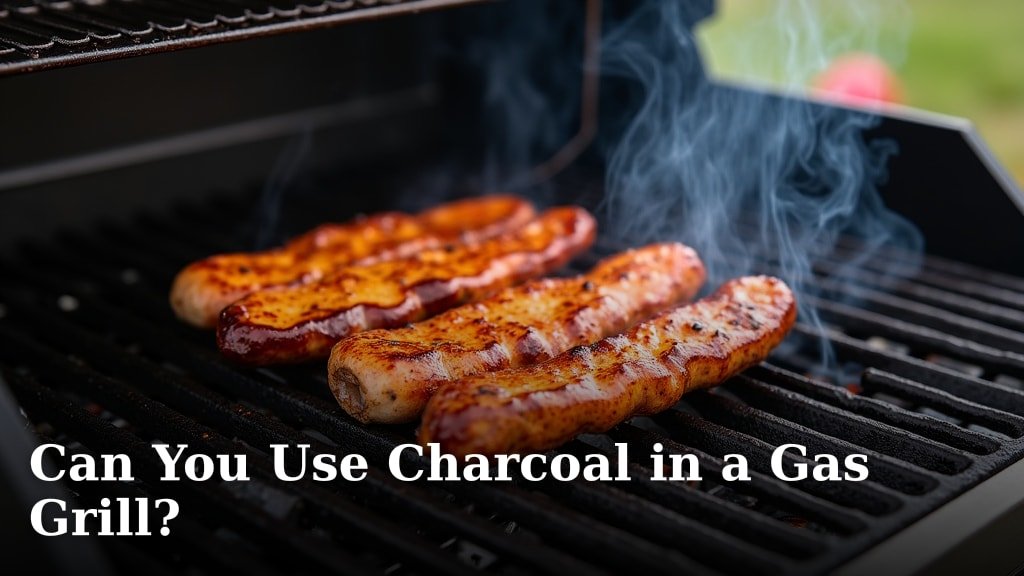
You might be wondering, “Can I use charcoal in my gas grill?” The quick answer is yes, but it’s not recommended for most standard gas grills. While you can technically get charcoal burning inside a gas grill, it’s usually a bad idea for safety and performance reasons.
Many grill masters love the smoky flavor charcoal provides. However, gas grills are built for propane or natural gas, not the intense, direct heat of charcoal briquettes. Trying to use charcoal can lead to uneven cooking and potentially damage your grill’s components. We found that most gas grill manufacturers advise against it.
- Don’t use charcoal in a standard gas grill.
- Gas grills aren’t designed for charcoal’s heat.
- You risk damaging your grill and getting uneven results.
- There are better ways to get smoky flavor on a gas grill.
- Always check your grill’s manual for specific advice.
Let’s walk through why using charcoal in your gas grill isn’t the best idea and what alternatives you have to get that delicious smoky taste you’re craving.
Thinking About Charcoal in Your Gas Grill? Let’s Talk About It.
So, you’ve got a gas grill, but you’re craving that classic charcoal flavor. It’s a common thought: can you just toss some charcoal into your trusty propane grill? The short answer is you can, but it’s usually not the best idea. Your gas grill is designed for a specific kind of heat. Charcoal brings a different beast entirely.
Understanding Your Gas Grill’s Design
Gas grills are built with propane or natural gas burners. These are meant to deliver controlled heat. They have specific materials and airflow systems to manage this gas-fueled flame. Think of it like a finely tuned instrument. It works best with what it was designed for.
When you introduce charcoal, you’re changing the game completely. Charcoal burns much hotter and more erratically than gas. It produces ash and embers. Your gas grill’s components aren’t prepared for this intense, dry heat and the resulting residue. We found that many grill manufacturers clearly state their grills are not meant for charcoal.
The Risks of Using Charcoal in a Gas Grill
Let’s break down why this isn’t a great idea. It boils down to a few key issues:
Heat Management Problems
Charcoal creates a much more intense and uneven heat source than gas burners. You’ll likely end up with hot spots and cold spots on your cooking surface. This makes it incredibly difficult to cook your food evenly. One side of your burger might be charred while the other is barely warmed.
Gas grills have heat deflectors and grates designed for radiant heat from below. Charcoal burns directly and intensely, which can warp or damage these parts. Research suggests that prolonged exposure to extreme temperatures, outside a grill’s intended range, can lead to material fatigue (National Fire Protection Association).
Damage to Grill Components
The high, dry heat from charcoal can seriously harm your gas grill. The metal components, like the grates, heat shields, and even the burner tubes, can warp, crack, or rust much faster than they would under normal gas grilling conditions. This is especially true for enameled or porcelain-coated parts.
Your gas grill’s flavorizer bars are designed to catch drippings and vaporize them. With charcoal, you’ll get a lot of ash. This ash can clog up burner tubes and other gas ports. This can lead to poor performance or even a fire hazard. We found that many user manuals strongly advise against using charcoal for this reason.
Safety Concerns
Using charcoal in a gas grill introduces significant safety risks. For starters, charcoal produces carbon monoxide (CO). Gas grills are designed with ventilation to help dissipate CO safely. However, adding charcoal can create a buildup of CO in an enclosed gas grill body, which is a serious health risk.
There’s also the risk of uncontrolled flare-ups. Charcoal burns fiercely. If fat or marinades drip onto the hot coals, you can get massive flames. These flames can lick up the sides of your gas grill, potentially igniting grease buildup or damaging the exterior. The U.S. Fire Administration warns about uncontrolled fires from grills.
The Resulting Flavor Isn’t Ideal
While you might think charcoal equals great smoky flavor, it’s not quite that simple in a gas grill. The ash and residue from the charcoal can create an unpleasant, acrid taste. It’s not the clean, smoky flavor you get from a dedicated charcoal grill.
The ash can coat your food. The intense heat can burn your food quickly before it develops that desirable smoky essence. Many grill enthusiasts agree that the setup of a gas grill simply doesn’t lend itself to producing authentic charcoal flavor. You’re more likely to get burnt and bitter notes.
Why Not Just Use a Charcoal Grill?
If smoky flavor is your goal, a charcoal grill is the way to go. They are specifically designed to handle charcoal. They offer excellent heat control and produce that iconic, delicious smoky taste. It’s a different experience, but a rewarding one for flavor seekers.
Charcoal grills allow for direct heat searing and indirect cooking zones. They are built to withstand the heat and manage the ash effectively. We’ve seen that people who are passionate about charcoal flavor often invest in a dedicated charcoal grill. It’s about having the right tool for the job.
What If You Absolutely *Must* Try It? (Proceed with Extreme Caution!)
Look, we strongly advise against it. But if you’re determined to experiment, understand you’re doing so at your own risk. There are some modified setups people use, but they often involve specialized accessories or completely altering the grill’s intended use.
One common, though still risky, method involves placing charcoal in a metal pan or tray. This pan sits on the grill grates. The idea is to create a barrier. It’s supposed to catch ash and protect the burners. However, this doesn’t eliminate the heat issues or the potential for damage. Many sources still warn this setup isn’t safe for standard gas grills.
Another approach involves removing the gas burners entirely. This essentially turns your gas grill body into a makeshift charcoal box. This is a significant modification. It voids warranties and requires a deep understanding of grill construction. It’s not a simple swap.
A Table of Potential Issues and Why They Matter
| Potential Problem | Why It’s a Concern |
|---|---|
| Intense, Uneven Heat | Leads to burnt or undercooked food. Difficult to manage. |
| Component Damage | Warped grates, cracked heat shields, clogged burners. Reduces grill lifespan. |
| Safety Hazards | Carbon monoxide buildup, uncontrolled flare-ups, fire risk. |
| Bad Flavor | Ashy, bitter taste instead of desired smoky flavor. |
| Voided Warranty | Manufacturers don’t cover damage from unintended use. |
Better Ways to Get Smoky Flavor on Your Gas Grill
The good news is you don’t need to risk your gas grill to get delicious smoky flavors! There are excellent accessories and techniques designed specifically for this purpose. We found that many grill enthusiasts use these methods successfully.
Use a Smoker Box or Smoker Pouch
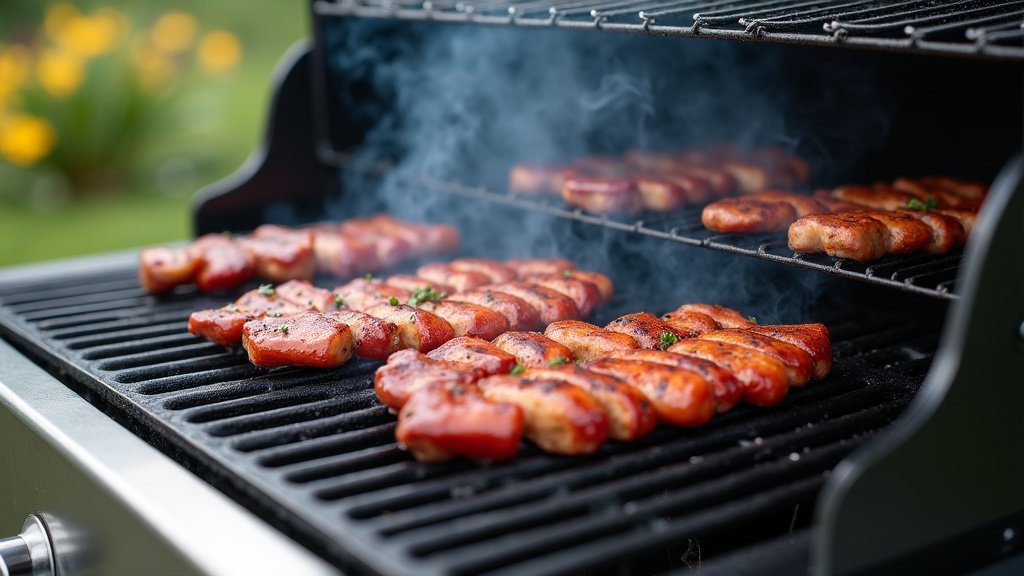
This is by far the most popular and recommended method. A smoker box is a small metal container. You fill it with wood chips or pellets. You place it directly on the grill grates, often over a lit burner. The chips heat up and produce smoke.
You can also make a DIY smoker pouch. Wrap wood chips in heavy-duty aluminum foil. Poke holes in the top. Place this pouch on the grill grates. Both methods allow the wood to smolder and create smoke. This smoke then infuses your food with flavor. Many sources like grilling websites and magazines highlight smoker boxes as a top choice.
Choose the Right Wood
The type of wood you use makes a big difference in flavor. For a classic smoky taste, consider:
- Hickory: Strong, classic smoky flavor. Great for pork and beef.
- Mesquite: Intense, earthy flavor. Best for beef and vegetables.
- Oak: Milder smoke. Versatile for poultry, beef, and pork.
- Fruitwoods (Apple, Cherry): Sweet, mild smoke. Excellent for poultry and fish.
Always soak your wood chips for about 30 minutes before using them in a smoker box or pouch. This helps them smolder rather than burn too quickly. This creates more smoke for a longer period.
Control Your Heat and Airflow
To maximize smoke flavor, you want your wood chips to smolder. This happens best when they get hot but don’t ignite into flames. You might need to experiment with burner settings. Try turning one burner on low and placing the smoker box above it. Or, turn burners off on one side and place the smoker box on the cooler side.
Good airflow is also key. You want the smoke to circulate around your food. Don’t overcrowd your grill. Ensure there’s space for the smoky air to move freely. This helps the flavor penetrate the food evenly.
Consider a Gas Grill with a Smoker Box Built-In
Some newer gas grills come with integrated smoker boxes or dedicated smoker tubes. These are designed to work with the grill’s fuel source. They offer a convenient way to add smoke without needing separate accessories. If you frequently crave smoky flavor, this might be a worthwhile feature to look for in your next grill purchase.
A Quick Checklist Before You Grill
Before you fire up your grill, whether it’s for gas or a smoky experiment, keep these points in mind:
- Always check your grill’s manual. It has the definitive answer for your specific model.
- Understand that charcoal creates different heat than gas.
- Be aware of the safety risks, especially carbon monoxide.
- Damage to your grill is a real possibility.
- Smoker boxes are a safe and effective way to add smoke.
- Prioritize safety and performance over risky shortcuts.
Conclusion
So, while you can technically put charcoal in your gas grill, our research and common sense strongly advise against it. Gas grills simply aren’t built for the intense, uneven heat and ash production that charcoal creates. You’re looking at potential damage to your grill, safety hazards like carbon monoxide buildup, and often, a disappointing, burnt flavor. Instead of risking your equipment, why not use proven methods to achieve that sought-after smoky taste?
Your best bet for delicious smoky flavor without the risks is to invest in a smoker box or pouch. This simple accessory is designed to work with your gas grill. It allows you to safely smolder wood chips and infuse your food with wonderful smoke. Always check your grill’s manual first, and prioritize safe grilling practices for the best results!
Frequently Asked Questions
Will using charcoal void my gas grill’s warranty?
Yes, almost certainly. Most gas grill manufacturers explicitly state in their user manuals that using charcoal or any fuel source other than propane or natural gas will void your warranty. Any damage caused by such use would not be covered.
Can I just put a metal pan of charcoal on my gas grill grates?
While some people try this, it’s still a risky practice. A metal pan can help contain ash and provide a slight barrier, but it doesn’t fully address the extreme heat and uneven temperatures that can still damage your grill’s components. We found many sources still warn this setup isn’t safe for standard gas grills.
How can I get a smoky flavor on my gas grill without a smoker box?
You can create a DIY smoker pouch using heavy-duty aluminum foil. Fill it with soaked wood chips, poke a few holes in the top, and place it directly on the grill grates over a lit burner. This smoldering pouch will produce smoke to flavor your food.
Is there a way to permanently convert a gas grill to charcoal?
You could technically remove the gas burners and adapt the grill body to hold charcoal, but this is a major modification. It requires significant expertise, voids any warranty, and essentially turns your gas grill into a makeshift charcoal grill. It’s not a simple or recommended conversion for most users.
What are the biggest safety risks of using charcoal in a gas grill?
The primary safety concerns are carbon monoxide (CO) buildup and uncontrolled flare-ups. Gas grills are vented for gas combustion, not charcoal. The intense heat can also lead to dangerous flare-ups, especially if grease ignites, posing a fire risk.
