

A rotisserie kit is used for evenly cooking meats like chicken, roasts, or ribs on your grill or in your oven. It slowly spins the food, ensuring a consistently delicious result with minimal effort. This means you get moist, tender, and perfectly browned meals every time you use it.
Think of it as your personal spit roast chef. When you want to achieve that amazing, self-basting flavor that’s hard to get with standard grilling, a rotisserie kit is your secret weapon. We found that it’s a fantastic way to transform simple ingredients into restaurant-quality dishes right in your own backyard.
- Rotisserie kits cook meat evenly.
- They ensure moist, tender, and browned results.
- Perfect for chicken, roasts, and ribs.
- Makes grilling easier and more impressive.
Ready to take your grilling game to the next level? Let’s break down exactly what a rotisserie kit is and how you can start using one to impress your friends and family.
So, you’ve seen those impressive, golden-brown chickens spinning on grills at restaurants or maybe even at a friend’s barbecue. You’re probably wondering, “What is that magical device, and how can I get that kind of deliciousness at home?” That’s where a rotisserie kit comes in. It’s the secret ingredient to perfectly cooked, incredibly juicy meats.
What Can You Do With a Rotisserie Kit?
A rotisserie kit is primarily used for evenly cooking meats over a heat source. Think of it as a fancy skewer that slowly turns your food. This continuous rotation ensures that the meat cooks on all sides simultaneously. It’s a method that has been around for centuries for good reason. We found that it produces incredibly consistent results.
The beauty of a rotisserie kit is its simplicity. You secure your food onto a spit rod, attach it to your grill or oven, and let it do the work. The motor does the turning, and the heat source cooks it. This means you get that sought-after self-basting effect. The natural juices flow down over the meat as it turns, keeping it moist and adding tons of flavor. Many people agree this is the best way to cook whole chickens or large roasts.
Achieving Even Cooking
One of the biggest challenges when cooking large cuts of meat is ensuring they cook evenly. The side closest to the heat can overcook while the other side remains underdone. A rotisserie kit solves this problem. By constantly rotating the meat, you expose every surface to the heat. We found that this dramatically reduces the risk of dry spots or undercooked centers. This is especially true for thicker cuts of meat.
Maximizing Moisture and Flavor
As your meat cooks on the rotisserie, its own juices are constantly redistributed. This is the “self-basting” process. Imagine a natural marinade working its magic as it cooks. This keeps the meat incredibly moist and tender. We found that this method locks in flavor better than many other cooking techniques. It results in a succulent interior and a beautifully browned exterior.
The Components of a Typical Rotisserie Kit
Before you can start enjoying rotisserie-cooked meals, it’s helpful to know what comes in a standard kit. Understanding these parts will help you set it up correctly and use it effectively. We found that most kits share similar components, though sizes and materials can vary.
The Spit Rod
This is the long metal rod that your food will be threaded onto. Spit rods are usually made of stainless steel for durability and rust resistance. They need to be strong enough to support the weight of the food without bending. Some rods are adjustable in length to fit different grills or ovens.
The Meat Forks or Prongs
These are the sharp pieces that secure your meat to the spit rod. Most kits come with at least two forks. You’ll use them to pierce the meat from opposite sides, holding it firmly in place as it spins. It’s important to ensure your meat is tightly secured so it doesn’t wobble or fall off during cooking. We found that good quality forks have strong tines that dig in well.
The Motor and Gearbox
This is the powerhouse of your rotisserie. The motor provides the rotational force to turn the spit rod. It’s usually an electric motor, though some older or heavy-duty kits might use gas or even hand-crank mechanisms. The gearbox reduces the motor’s speed to a slow, steady rotation suitable for cooking. We found that the motor’s wattage is important; a higher wattage can handle heavier loads.
The Bushings or Bearings
These are small pieces, often metal or plastic, that the spit rod passes through. They help the rod spin smoothly and reduce friction. They are usually located at the ends of the rotisserie setup, where the rod meets the grill or oven. Good bushings ensure a consistent and quiet rotation.
The Counterbalance (Optional but Recommended)
For larger or unevenly shaped cuts of meat, a counterbalance is a lifesaver. It’s a weight that attaches to the spit rod. You adjust its position to balance the meat. This prevents the motor from struggling and ensures a smoother, more consistent spin. We found that balancing is key for longer cooking times.
What Types of Food Shine on a Rotisserie?
While a whole chicken is the classic rotisserie dish, the possibilities are far broader than you might think. Many different meats and even some vegetables can be cooked using this method. We found that experimentation leads to delicious discoveries.
Poultry Perfection
Whole chickens are the undisputed stars of the rotisserie world. Their shape lends itself perfectly to the spinning action. The skin gets incredibly crispy, while the meat stays juicy. Turkey, duck, and even Cornish hens are also excellent choices. We found that the even cooking prevents the breast meat from drying out before the legs are cooked through.
Roasts and Large Cuts
Beef roasts, pork shoulders, and lamb legs all benefit from the rotisserie treatment. The slow, even cooking helps break down connective tissues, resulting in incredibly tender meat. This method is fantastic for achieving a beautiful crust on the outside while keeping the inside moist. Research indicates that slow cooking methods like rotisserie can improve meat tenderness (NCBI).
Ribs and Other Meats
You can even cook racks of ribs on a rotisserie! You’ll need to secure them carefully, often with butcher’s twine, to the spit rod. They cook beautifully, becoming tender and flavorful. Pork loin, leg of lamb, and even large sausages can be cooked this way. We found that smaller items or those that might fall apart need careful preparation and securing.
Vegetables and More
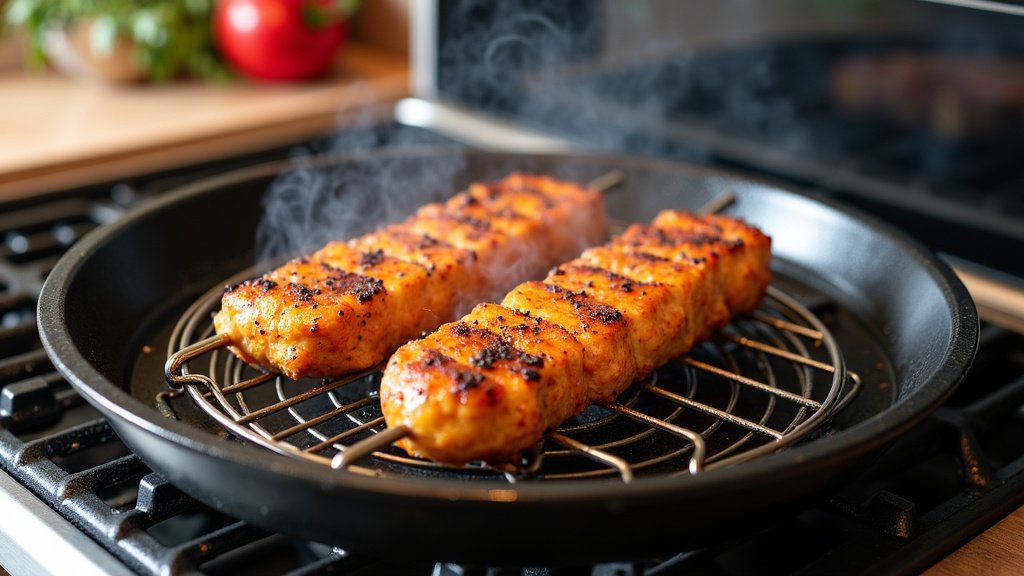
Don’t limit yourself to just meat! Large vegetables like whole cauliflower or pineapple can be roasted on a rotisserie. They develop a wonderful caramelized flavor. You can even thread vegetables like bell peppers, onions, and zucchini onto skewers and then attach those skewers to the spit rod. This allows them to spin and cook evenly alongside your main protein.
Tips for Using Your Rotisserie Kit Successfully
Getting started with a rotisserie kit is exciting, and a few simple tips can make your first few attempts incredibly successful. We found that paying attention to a few key details makes a big difference.
- Balance is Key: Always try to balance your food on the spit rod. This reduces strain on the motor and ensures even cooking. Use a counterbalance if needed.
- Secure Your Food: Make sure your meat is tightly secured with the forks. Use extra twine for added security if necessary, especially for uneven items.
- Preheat Your Grill/Oven: Start with a properly preheated cooking environment. This helps create that initial sear.
- Manage Your Heat: For grills, you often want to cook with indirect heat to prevent the outside from burning before the inside is cooked.
- Basting and Seasoning: Feel free to baste your food with marinades or sauces as it cooks. The rotating action helps distribute them evenly.
A Quick Checklist for Rotisserie Success
Here’s a simple checklist to help you get ready for your rotisserie cooking adventure:
- Verify your rotisserie kit fits your grill or oven.
- Check that the motor has power and spins freely.
- Ensure your meat is properly trimmed and ready for seasoning.
- Practice balancing the meat on the spit rod before cooking.
- Confirm your temperature probes (if using) are calibrated.
- Have butcher’s twine handy for securing tricky items.
Conclusion
You’ve learned that a rotisserie kit is your key to unlocking incredibly moist and evenly cooked meats. It’s a simple yet effective tool that transforms your grilling or oven into a spit-roasting powerhouse. From crispy-skinned chickens to tender roasts, the possibilities are vast. Don’t let it intimidate you; remember to focus on balancing your food and securing it well. Now, go ahead and gather your kit, pick out your favorite cut of meat, and get ready to impress yourself and your guests with your delicious rotisserie creations!
Frequently Asked Questions
How do I know if my rotisserie kit will fit my grill?
Most rotisserie kits are designed to fit standard grill widths. Always check the product dimensions against your grill’s firebox measurements before purchasing. Some kits are also adjustable, offering more flexibility.
Can I use a rotisserie kit in a regular oven?
Yes, many rotisserie kits are designed for both grills and ovens. You’ll need to ensure your oven has a large enough cavity to accommodate the spinning rod and food, and that it can support the motor securely.
What is the best way to balance food on the rotisserie spit?
Try to center the heaviest part of your food on the spit rod. If your food is uneven, you might need to use the included meat forks to distribute the weight or add a counterbalance. You can test the balance by letting go of the rod; it should rest horizontally.
How do I prevent my meat from falling off the rotisserie?
Use the provided meat forks to firmly secure your food. Pierce the meat from opposite sides, ensuring the tines dig in well. For tricky items like ribs, use butcher’s twine to tie them securely to the spit rod.
What if my rotisserie motor seems weak or slow?
A weak motor could be due to an overloaded spit or a motor that’s not powerful enough for the weight of your food. Ensure your food is well-balanced and consider a kit with a higher wattage motor if you plan to cook very heavy items.
