
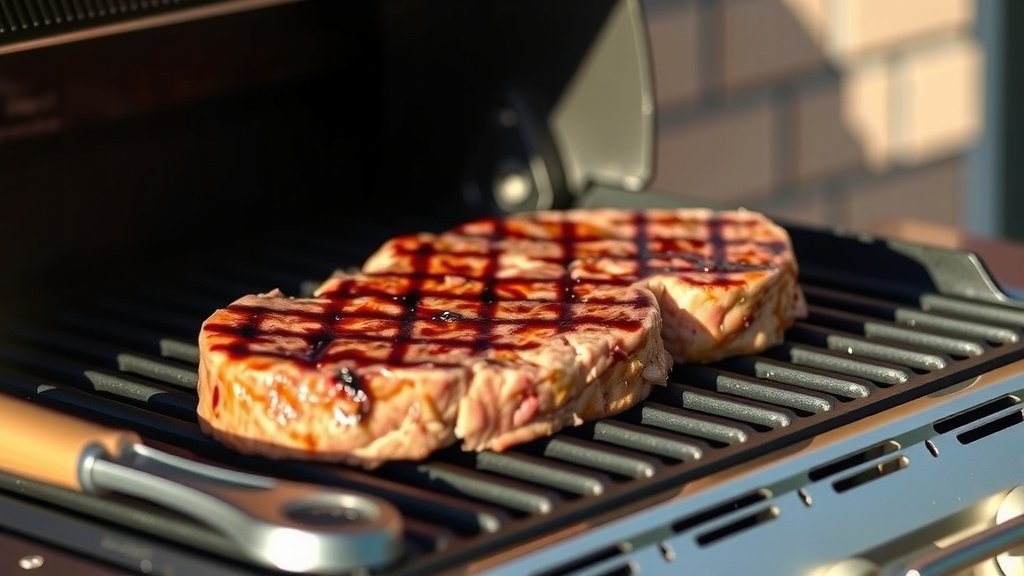
To grill ribeye on a gas grill, first bring your steak to room temperature, season it well, and then use a two-zone heat method. This involves searing over high heat and finishing with indirect heat until your desired doneness.
Achieving a perfectly grilled ribeye on your gas grill means focusing on proper preparation, heat management, and precise temperature monitoring for a juicy, flavorful steak every time.
- Get your ribeye steak to room temperature before grilling for even cooking.
- Season generously with salt, pepper, and your favorite rubs for maximum flavor.
- Set up your gas grill for two-zone cooking: one side high heat, the other indirect.
- Sear the ribeye on high heat for 2-3 minutes per side to develop a delicious crust.
- Move the steak to indirect heat, closing the lid, until it reaches your preferred internal temperature.
How To Grill Ribeye On Gas Grill?
Grilling a ribeye on a gas grill is a rewarding experience when done right. You want that perfect sear, a tender interior, and incredible flavor without charring it.
Many home chefs find the gas grill ideal for its **consistent heat control** and ease of use, making it simple to master delicious steaks.
Choosing Your Ribeye Steak
The journey to a great grilled ribeye starts at the butcher counter. Look for a steak that is **at least 1 to 1.5 inches thick**; thinner cuts can overcook quickly.
We found that a good ribeye will have marbling, those little streaks of fat running through the meat. This fat melts during cooking, adding incredible moisture and **rich flavor to your steak** (Meat Science, Texas A&M).
Getting Your Steak Ready
Before it even touches the grates, your ribeye needs a little prep. Take your steak out of the fridge about 30-60 minutes before grilling. This step allows the meat to **come closer to room temperature**, promoting more even cooking.
Many experts say that cold meat hits the hot grill and can seize up, making it tougher. Pat your steak dry with paper towels; a **dry surface helps create a better sear** and crust.
Seasoning Secrets for Success
Don’t be shy with the seasoning! A ribeye can handle a lot of flavor. A simple blend of **coarse salt and freshly cracked black pepper** is often all you need.
Some people like to add garlic powder, onion powder, or a dash of paprika. Apply your chosen seasonings generously to **all sides of the steak**. You want to see a visible layer, almost like a crust forming even before it cooks.
The Power of a Simple Rub
For a truly deep flavor, consider making your own simple rub. Many chefs suggest a mixture of kosher salt, black pepper, and a touch of brown sugar for a **caramelized crust**. Remember, a well-seasoned steak is a happy steak!
Setting Up Your Gas Grill
This is where the magic of gas grilling really shines. You’ll want to set up your grill for **two-zone cooking**. Turn one or two burners to high heat and leave the adjacent burners off or on low.
This creates a **direct heat zone for searing** and an indirect heat zone for finishing. Preheat your grill to a high temperature, around 450-550°F, with the lid closed for 10-15 minutes.
Cleaning Your Grates
Always clean your grill grates before you start. Use a wire brush to **scrape off any leftover bits** from previous cooks. Clean grates prevent sticking and ensure those beautiful grill marks (Weber Grills Guide).
Grilling Process: Sear, Then Slow
Once your grill is hot, it’s time to cook. Place your seasoned ribeye directly over the **high heat zone**. Close the lid and sear for 2-3 minutes without moving the steak.
Then, flip it and sear the other side for another 2-3 minutes. This initial sear creates a **fantastic brown crust**, locking in juices and flavor.
Moving to Indirect Heat
After searing, move your ribeye to the **indirect heat zone**. Close the lid and let it continue to cook. This is where precision comes in. You’ll be cooking until it reaches your desired internal temperature.
A meat thermometer is your best friend here. Insert it into the thickest part of the steak, avoiding any bones. Here’s a quick guide to doneness levels:
| Doneness Level | Internal Temperature (before resting) |
|---|---|
| Rare | 125-130°F |
| Medium-Rare | 130-135°F |
| Medium | 135-140°F |
| Medium-Well | 140-145°F |
| Well-Done | 150°F+ |
Resting Your Ribeye: A Non-Negotiable Step
Once your steak reaches its target temperature, remove it from the grill immediately. Place it on a cutting board and **tent it loosely with foil**. Let it rest for 5-10 minutes.
Many research articles confirm that resting allows the juices, which have migrated to the center during cooking, to **redistribute throughout the steak**. Skipping this step means all those delicious juices will run out onto your plate when you cut it.
Slicing and Serving
After resting, slice your ribeye against the grain. This shortens the muscle fibers, making each bite more tender and enjoyable. Serve your perfectly grilled ribeye with your favorite sides, like roasted vegetables or a fresh salad.
Tips for a Perfect Grill
- Preheat your grill thoroughly for even cooking.
- Don’t overcrowd the grill; give each steak space.
- Resist the urge to constantly flip the steak.
- Use a reliable meat thermometer for accuracy.
- Always allow your steak to rest before serving.
Common Grilling Mistakes to Avoid
Even experienced grillers can make simple mistakes. Many sources point out that not preheating enough, or flipping too often, are common pitfalls. Overcooking is another frequent issue, especially with thinner steaks. Remember, you want to **cook the steak, not dry it out**!
Your Ribeye Grilling Checklist:
- Ribeye 1-1.5 inches thick?
- Steak at room temperature?
- Seasoned generously?
- Grill grates clean?
- Two-zone heat set up?
- Meat thermometer ready?
- Resting time planned?
Conclusion
Grilling a ribeye on a gas grill doesn’t have to be intimidating. With a little preparation and understanding of heat zones, you can consistently achieve a steak that rivals any restaurant. Remember to choose a good cut, season it well, manage your grill heat, and always, always let it rest. You’re now equipped to grill a truly memorable ribeye!
Frequently Asked Questions About Grilling Ribeye
How do I prevent my ribeye from sticking to the gas grill?
To prevent sticking, ensure your grill grates are clean and well-oiled before placing the steak down. Preheat your grill to a high temperature, as a hot surface helps create an instant sear that releases the meat from the grates.
Should I use oil on my ribeye steak before grilling?
It’s generally a good idea to lightly coat your ribeye with a high smoke point oil, like avocado or grapeseed oil, before seasoning. This helps with searing, prevents sticking, and helps the seasonings adhere to the meat.
What is the best way to get a good sear on a gas grill?
For a great sear, preheat your grill to its highest setting (around 500-550°F) for at least 10-15 minutes. Place your dry, room-temperature steak directly over the hottest part of the grill and do not move it for 2-3 minutes per side. This direct, high heat creates that desirable brown crust.
How can I tell if my ribeye is done without a thermometer?
While a meat thermometer is the most accurate tool, you can use the “touch test” by comparing the firmness of the steak to different parts of your hand. For example, a rare steak feels like the fleshy part below your thumb when your hand is relaxed, while medium feels like it does with your thumb touching your middle finger. However, this method requires practice and is less reliable.
Can I grill a frozen ribeye on a gas grill?
While technically possible, it’s not recommended for best results. Grilling a frozen ribeye can lead to an overcooked exterior and a cold or raw interior. For optimal evenness and flavor, always thaw your ribeye completely in the refrigerator before grilling.
