
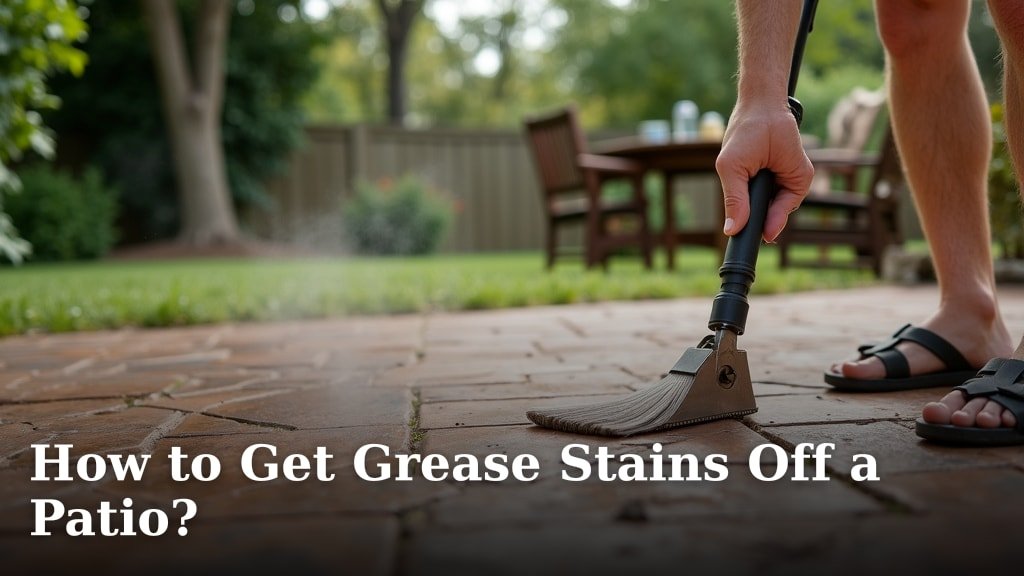
The easiest way to get grease stains off your patio is to use a poultice made from an absorbent material like baking soda or cornstarch and a strong degreaser. You want to act fast to prevent the stain from setting. Most common patio materials like concrete or brick can handle this method with care.
Grease stains can be a real eyesore, whether from a barbecue mishap or leaky car. We’ve researched common patio cleaning methods. Many experts agree that a targeted approach is best for lifting tough oil and grease without damaging your patio surface. Getting rid of these stains can restore your patio’s look.
- Pre-treat with a degreaser.
- Create a paste with an absorbent powder.
- Let it sit to draw out the stain.
- Scrub and rinse thoroughly.
- Repeat if necessary for stubborn spots.
Ready to tackle those greasy spots? Let’s walk through the best methods to get your patio looking spotless again.
Grease stains on your patio can really bring down the mood. You spend time and effort making your outdoor space look nice, only for a rogue splatter to ruin the view. Don’t worry, though! We’ve found that tackling these tough stains is often easier than you think. The key is to use the right materials and act quickly.
Removing Grease Stains from Your Patio Surfaces
Getting rid of grease spots is totally doable. Many experts agree that a combination of absorption and a good cleaner is your best bet. We found that prompt action makes a huge difference. The longer a stain sits, the harder it is to remove. Let’s break down how to get your patio looking fresh again.
Understanding the Enemy: Patio Grease Stains
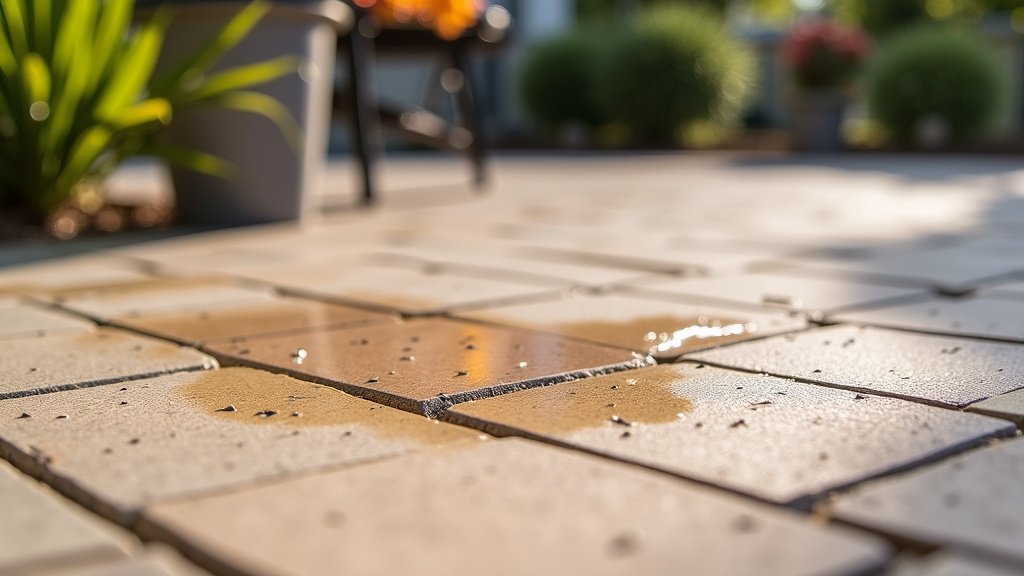
Grease comes from many sources: backyard barbecues, burgers, oil drips from cars, or even certain types of fertilizer. These oils soak into porous patio materials like concrete and brick. Once they seep in, they can darken the surface. This makes them stand out and look unsightly. Your goal is to lift that oil out before it becomes a permanent fixture.
Gathering Your Cleaning Supplies
Before you start, make sure you have everything you need. This will make the process much smoother. You don’t want to stop halfway to find a missing item. Think of it like preparing for a cooking project; having your ingredients ready is half the battle.
Essential Cleaning Agents
You’ll need a strong **degreaser**. This can be a commercial product specifically designed for patio cleaning. Alternatively, many household items work well. Dish soap is a fantastic degreaser. Look for one that cuts through grease effectively. Some people also have success with specialized concrete cleaners. Always check the product label to ensure it’s safe for your patio material.
Absorbent Materials for Absorption
This is where you’ll create your stain-lifting paste. Common household items work wonders here. Good options include:
- Baking soda: It’s a mild abrasive and a great absorber.
- Cornstarch: Similar to baking soda, it soaks up liquids effectively.
- Cat litter (clay-based): This is designed to absorb liquids and odors.
- Diatomaceous earth: Another excellent absorbent powder.
Tools for the Job
Don’t forget the tools! You’ll need a few items to apply the cleaner, scrub, and rinse. Gather these before you begin:
- Stiff-bristled brush (nylon is usually safe for most patios)
- Bucket for mixing and rinsing
- Water source (hose or bucket)
- Sponge or rags
- Gloves to protect your hands
- Safety glasses (especially if using stronger chemicals)
The Poultice Method: Your Secret Weapon
We found that the most effective way to tackle set-in grease stains is using a poultice. A poultice is simply a paste that draws out stains from a surface. It works by combining an absorbent material with a liquid cleaner. This paste sits on the stain, allowing the cleaner to break down the grease. Then, the absorbent material soaks it all up. It’s like a mini-blotting paper for your patio.
Step 1: Pre-treat the Stain
Before applying your poultice, give the stain a little pre-treatment. Lightly dampen the stained area with water. Then, apply your chosen liquid degreaser directly to the stain. Let it sit for about 10-15 minutes. This gives the degreaser a head start in breaking down the oily components. Many cleaning guides suggest this pre-step for tougher jobs (U.S. Environmental Protection Agency).
Step 2: Create Your Poultice Paste
Now, mix your absorbent powder with the liquid degreaser. You want a paste consistency, similar to peanut butter or thick toothpaste. It should be spreadable but not runny. If using dish soap, you might mix it with just a little water to form the paste. If using a commercial degreaser, follow its instructions. You’re aiming for a thick mixture that will stick to the stain.
Step 3: Apply the Poultice
Carefully spread the poultice mixture over the grease stain. Make sure the paste is about 1/4 to 1/2 inch thick. It should completely cover the stained area. You want enough paste to really work its magic. Think of it as giving the stain a good coating of treatment.
Step 4: Let It Work Its Magic
This is the waiting
Conclusion
You’ve got this! Tackling grease stains on your patio doesn’t have to be a headache. By acting fast and using the simple poultice method with common household items like baking soda or cornstarch and a good degreaser, you can effectively lift those stubborn spots. Remember to pre-treat, apply your paste generously, and let it work its magic. A little patience and elbow grease will restore your patio’s appeal. So, grab your supplies and get ready to enjoy a spotless outdoor space!
Frequently Asked Questions
How long should I leave the poultice on the stain?
Generally, you’ll want to let the poultice sit for at least 24 hours. This allows ample time for the absorbent material to draw out the grease. For very tough or old stains, you might need to leave it on longer, or even reapply.
Can I use a pressure washer to remove grease stains?
While pressure washers can be effective for general patio cleaning, they can sometimes spread grease stains or even damage certain patio materials like softer stones or aged concrete. It’s often better to use a targeted cleaning method like the poultice first.
What if the stain is still there after one application?
Don’t worry if a stubborn stain isn’t completely gone after the first attempt. Many tough grease stains require multiple applications of the poultice. Simply repeat the process, ensuring the paste is thick and covers the stain fully.
Is dish soap a strong enough degreaser for patio stains?
Yes, a good quality dish soap, especially one known for its grease-cutting power, can be very effective. It’s a safe and readily available option for breaking down grease before absorption. For very deep or old stains, you might pair it with a commercial concrete degreaser for extra power.
How can I prevent grease stains from happening in the future?
Prevention is key! Consider placing mats or absorbent material under barbecue grills, especially during cooking. Regularly sweep your patio to remove debris that can absorb spills. For areas prone to oil drips, like near a driveway entrance, you might consider a sealant for your patio material.
