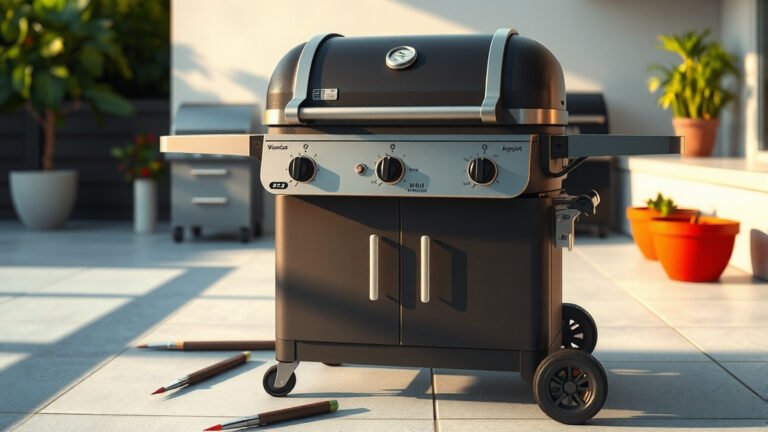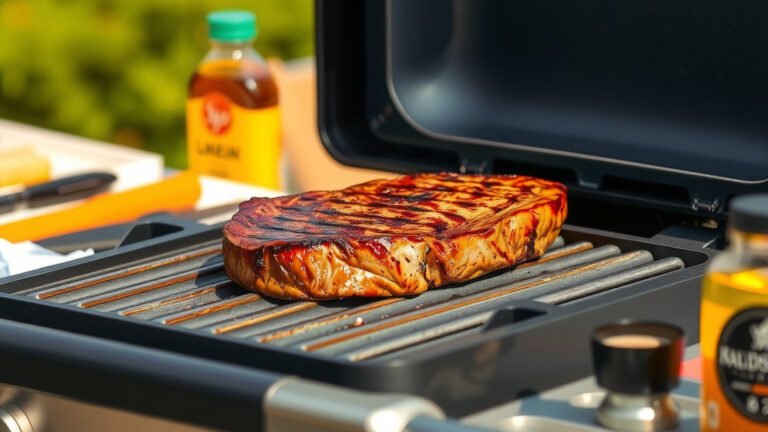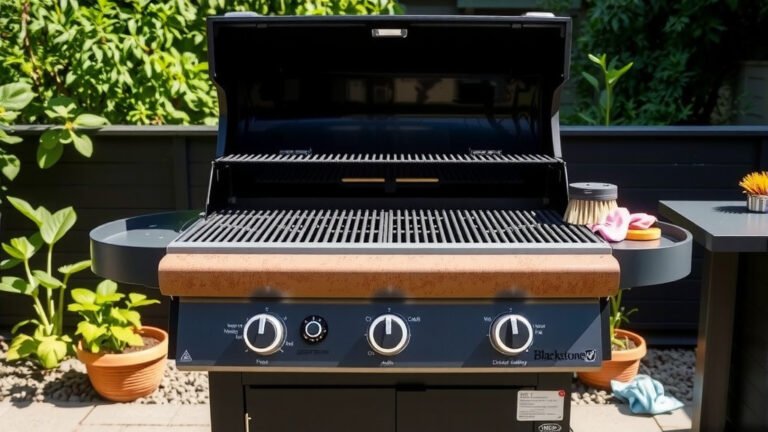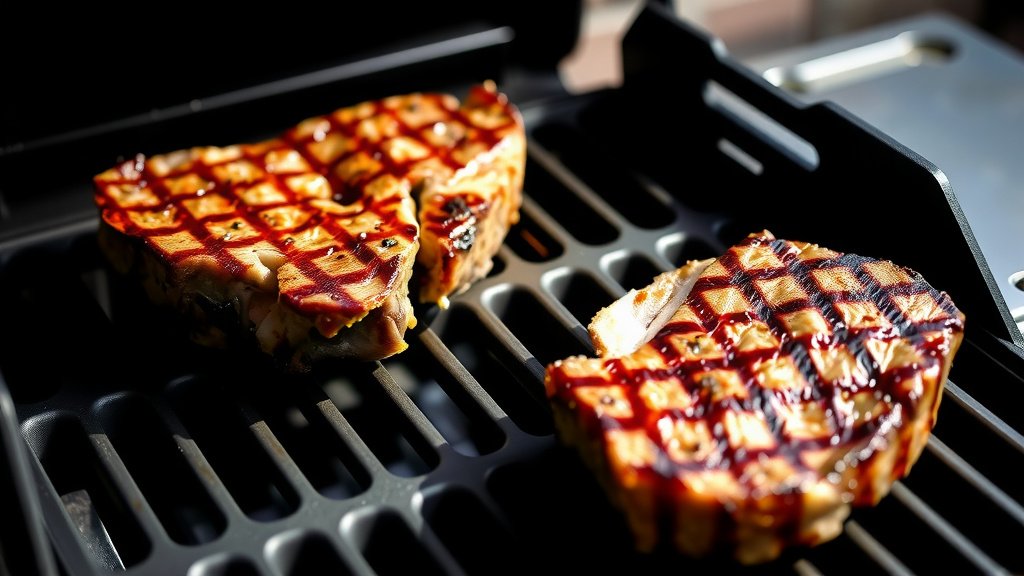
To grill prime rib steak on a gas grill, first sear it over high direct heat for 2-3 minutes per side until a nice crust forms. Then, move the steak to indirect heat and cook until it reaches your desired internal temperature, typically 125-130°F for medium-rare.
You can achieve a fantastic prime rib steak on a gas grill by ensuring proper preparation, diligent temperature monitoring, and a crucial resting period after cooking.
- Get your prime rib ready by bringing it to room temperature.
- Season it generously for great flavor.
- Preheat your gas grill to a very high temperature.
- Sear the steak over direct heat, then move it to indirect heat.
- Use a meat thermometer to track the internal temperature carefully.
- Always let your prime rib rest before slicing.
How To Grill Prime Rib Steak On Gas Grill?
Grilling a prime rib steak on your gas grill can feel like a big challenge, right? Many home cooks wonder if it’s even possible to get that restaurant-quality sear and juicy center without a fancy setup. The good news is, you absolutely can, and it’s simpler than you might think.
Choosing Your Prime Rib Steak
Picking the right steak is your first step to success. Look for a prime rib that’s at least 1.5 to 2 inches thick. This thickness allows for a great sear without overcooking the inside. A good marbling, which is the white fat flecks throughout the meat, means more flavor and tenderness, we found.
Bone-In vs. Boneless
Do you go for bone-in or boneless? Bone-in prime rib often has more flavor and cooks a bit more evenly near the bone (research often suggests this). Boneless is easier to slice and may cook slightly faster. It’s really a personal choice for your grilling preference.
Bringing the Steak to Room Temperature
This is a step many people skip, but it’s very important. Take your prime rib out of the refrigerator about an hour before grilling. Letting it sit on the counter helps it cook more evenly, preventing a cold center and overcooked edges, as many chefs agree.
Seasoning Your Prime Rib Steak
Generous seasoning makes a huge difference. A simple mix of coarse salt, fresh black pepper, and maybe some garlic powder works wonderfully. Don’t be shy; prime rib can handle a good amount of seasoning.
Consider a Dry Brine
For an even better crust, consider a dry brine. Apply salt all over the steak 24 hours before grilling and let it sit uncovered in the fridge. This pulls moisture out of the surface, making it easier to achieve a perfect sear, we found.
Setting Up Your Gas Grill
Proper grill setup is key for grilling prime rib. You’ll need both a high-heat direct searing zone and a cooler indirect cooking zone. This two-zone setup gives you total control.
- Direct Heat Zone: Turn one or two burners to high.
- Indirect Heat Zone: Turn adjacent burners to low or off.
- Preheat Time: Let your grill heat up for 10-15 minutes with the lid closed.
- Temperature Check: Aim for around 500-550°F in the direct zone.
The Searing Process
Once your grill is screaming hot, it’s time to sear. Searing creates that delicious, savory crust everyone loves. This step is about building flavor, not cooking the steak through.
Place your prime rib steak directly over the high heat burners. Sear for about 2-3 minutes per side. You are looking for a deep brown, almost crusty surface. Don’t move it too much during this stage.
Moving to Indirect Heat
After searing, carefully move the prime rib steak to the indirect heat zone. Close the lid to allow the grill’s temperature to stabilize around 300-350°F. This is where the steak will slowly cook to your desired doneness.
Monitoring Internal Temperature
A reliable meat thermometer is your best friend here. Insert the thermometer into the thickest part of the steak, avoiding the bone if it’s bone-in. This is the only way to ensure perfect results and food safety (USDA guidelines recommend).
Temperature Doneness Guide
Here’s a quick guide for target temperatures. Remember, the steak will continue to cook a few degrees after it’s removed from the grill, a process called carryover cooking.
| Doneness | Remove from Grill (°F) | Final Internal Temp (°F) |
|---|---|---|
| Rare | 115-120 | 120-125 |
| Medium-Rare | 125-130 | 130-135 |
| Medium | 130-135 | 135-140 |
| Medium-Well | 140-145 | 145-150 |
| Well-Done | 150+ | 155+ |
The Critical Resting Period
Once your prime rib reaches the desired temperature, remove it from the grill immediately. Place it on a cutting board and tent it loosely with foil. Let it rest for at least 10-15 minutes, or even longer for larger cuts.
Why rest? This allows the juices to redistribute throughout the steak. Cutting it too soon will let all those delicious juices run out, leaving you with a drier steak. Patience truly pays off here.
Slicing Your Prime Rib Steak
After resting, slice your prime rib against the grain. This means cutting perpendicular to the direction of the muscle fibers. Slicing against the grain makes each bite much more tender and enjoyable.
Troubleshooting Common Grilling Issues
Sometimes things don’t go perfectly, and that’s okay! We all learn from experience. Let’s look at a few common grilling challenges you might face.
Steak Cooking Too Fast
If your steak is cooking too quickly on indirect heat, your grill might be too hot. Try turning down the indirect burners even further or closing some of the top vents if your grill has them. You want a gentle, steady heat for the slow cook.
Uneven Cooking
Is one part of your steak more done than another? This can happen if your grill has hot spots. Rotate the steak periodically on the indirect side to ensure it cooks evenly. Using a meat thermometer in multiple spots can also help identify any issues.
Your Prime Rib Grilling Checklist
Here’s a quick checklist to make sure you’ve got all your bases covered for grilling success:
- Prime rib steak at room temperature
- Generous seasoning applied
- Gas grill preheated to two zones (high direct, low indirect)
- Meat thermometer ready
- Aluminum foil for resting
- Sharp knife for slicing
Conclusion
Grilling a prime rib steak on a gas grill is not just possible, it’s a truly rewarding experience. By following these steps—from proper preparation and precise temperature control to that all-important resting period—you can create a dish that’s both juicy and flavorful. Don’t be afraid to try this at home; your taste buds will certainly thank you.
What is the best thickness for prime rib steak on a gas grill?
The best thickness for prime rib steak on a gas grill is typically between 1.5 to 2 inches. This thickness allows you to achieve a beautiful sear on the outside without overcooking the interior of the steak, leading to a perfectly juicy result.
How do I prevent my prime rib steak from drying out on the grill?
To prevent your prime rib steak from drying out, always use a meat thermometer and cook to internal temperature, not by time. Also, move it to indirect heat after searing, and crucially, let it rest for 10-15 minutes after grilling before slicing. These steps keep the juices locked in.
Can I use a rub instead of simple seasoning for prime rib?
Yes, absolutely! While simple salt and pepper work well, a good quality dry rub designed for beef can add another layer of flavor to your prime rib. Just be mindful of rubs with high sugar content, as they can burn easily during the initial high-heat sear.
How long does it take to grill a 2-inch prime rib steak on a gas grill?
The cooking time for a 2-inch prime rib steak varies widely based on grill temperature and desired doneness. After searing for 2-3 minutes per side, expect it to take roughly 20-35 minutes on indirect heat (around 300-350°F) to reach medium-rare, but always rely on your meat thermometer.
Should I flip the prime rib steak during indirect cooking?
You can flip the prime rib steak once or twice during indirect cooking to promote even heat distribution, especially if you notice one side browning faster. However, constant flipping is not necessary and can cause temperature fluctuations. Focus on maintaining a steady grill temperature and using your thermometer.