
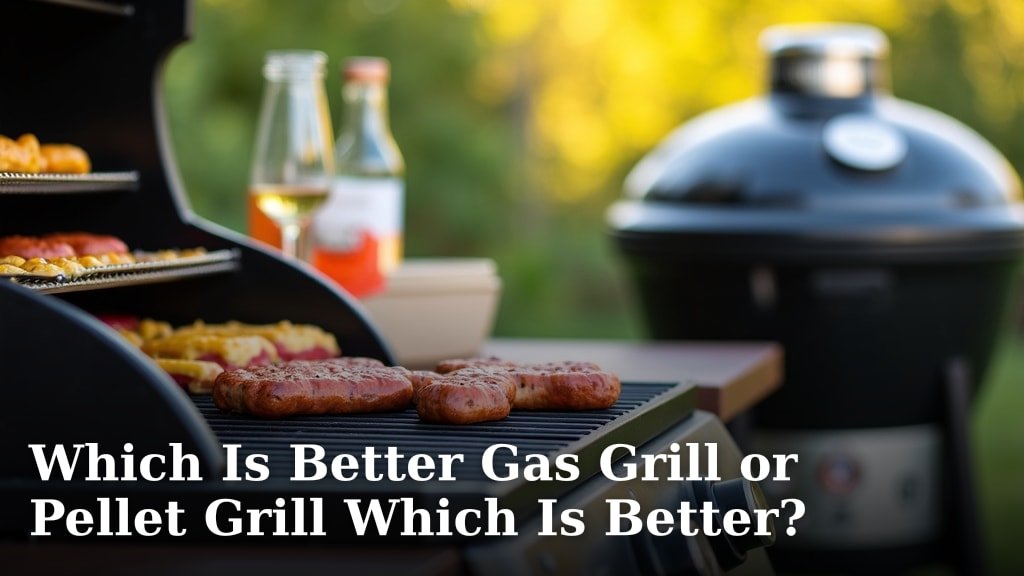
When deciding between a gas grill and a pellet grill, the best choice depends on your cooking style and priorities. Gas grills offer quick, high-heat searing and simple temperature control for fast weeknight meals. Pellet grills excel at low-and-slow smoking, infusing food with rich, smoky flavor and providing incredible versatility for different cooking methods.
Many grill enthusiasts find that while gas grills are convenient for direct grilling, pellet grills shine when you want to achieve authentic barbecue smoke. We found that pellet grills can also sear, but it often takes longer than with a dedicated gas grill. Understanding these key differences will help you pick the right grill for your backyard.
- Gas grills are great for speed and high heat.
- Pellet grills are perfect for smoky flavor and low-and-slow cooking.
- Pellet grills offer versatility for various cooking styles.
- Gas grills offer simplicity and easy cleanup.
- Your personal cooking goals determine the best fit.
Let’s break down what makes each type of grill unique so you can confidently choose the one that fits your grilling needs.
Gas vs. Pellet Grills: What’s the Best Fit for Your Backyard?
Choosing between a gas and a pellet grill can feel like a big decision. Both offer fantastic ways to cook outdoors. We’ve looked at what makes each grill unique. Understanding their core differences will help you find the perfect match for your cooking style.
Understanding the Core Differences
How Gas Grills Work
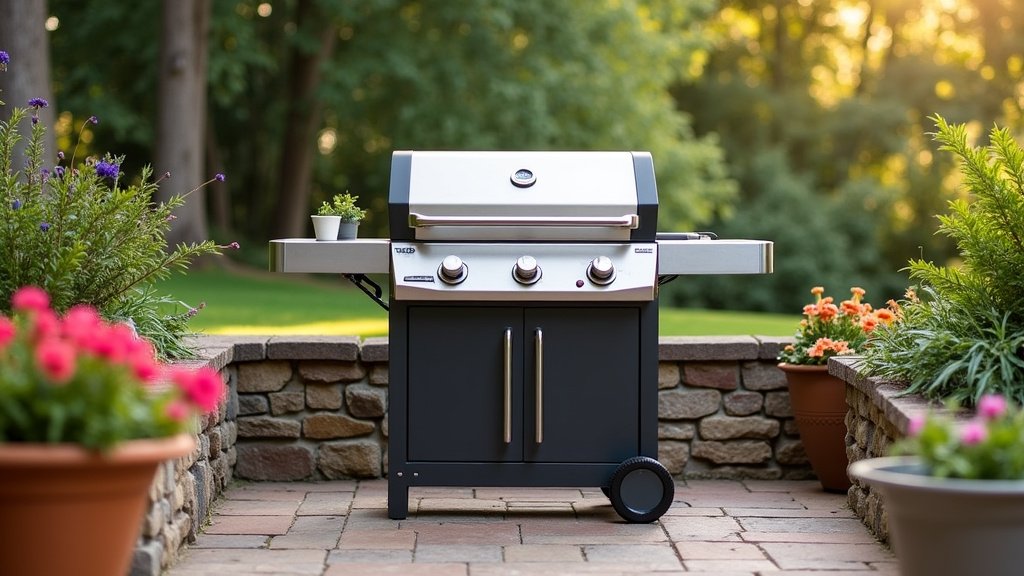
Gas grills use propane or natural gas to generate heat. Burners beneath the grates heat up quickly. You control the temperature by adjusting the gas flow. This makes them super simple to use for everyday cooking.
How Pellet Grills Work
Pellet grills use compressed wood pellets. An auger feeds these pellets into a firepot. An igniter lights them, and a fan controls the airflow. This creates heat and smoke. A digital controller sets and maintains your desired temperature. They offer a unique way to infuse food with smoky flavor.
Speed and Convenience: The Gas Grill Advantage
Quick Heat-Up and Cooking
One of the biggest wins for gas grills is speed. You can typically get them up to cooking temperature in about 10-15 minutes. This is great for weeknight dinners when you’re short on time. You can go from preheating to grilling burgers in no time.
Precise Temperature Control
Gas grills offer straightforward temperature control. Knobs let you easily adjust the flame. This gives you a good deal of control over direct heat. You can sear steaks at high heat or cook chicken at a medium temperature with confidence. Many models offer multiple burners for different heat zones.
Easy Cleanup
Cleanup with a gas grill is usually pretty simple. You don’t have ash to deal with like you do with charcoal. After cooking, you can often just brush the grates. Any grease or drippings fall into a disposable pan. This makes post-meal tidying a breeze.
Who is a Gas Grill Best For?
A gas grill is ideal for those who want quick and easy grilling. If you mostly grill burgers, hot dogs, or chicken breasts, it’s a solid choice. People who prefer simple operation and fast cooking times will love a gas grill. It’s also great if you don’t have a lot of time for prep or cleanup.
Flavor and Versatility: The Pellet Grill’s Strength
Unmatched Smoky Flavor
This is where pellet grills truly shine. The wood pellets create real smoke as they burn. This smoke then infuses your food with a deep, authentic barbecue flavor. Different types of wood pellets (like hickory, mesquite, or applewood) can change the flavor profile. It’s like having a smokehouse in your backyard.
Low-and-Slow Smoking Capabilities
Pellet grills excel at smoking. They can maintain a consistent low temperature for hours. This is perfect for tenderizing tougher cuts of meat like brisket or pork shoulder. Many research studies show that low-and-slow cooking breaks down connective tissues, making meat incredibly tender (USDA Food Safety and Inspection Service).
Versatile Cooking Methods
Don’t let the “smoker” label fool you; pellet grills are versatile. Beyond smoking, they can also grill, roast, and even bake. You can cook pizzas, bake bread, or roast vegetables. Some models can reach higher temperatures for searing, though it might take longer than on a dedicated gas grill.
The Digital Controller Advantage
Pellet grills feature digital controllers. You set your desired temperature, and the grill maintains it. This is incredibly convenient for long cooks. You can “set it and forget it” knowing your grill will keep the temperature steady. This consistent temperature is key for predictable results.
Who is a Pellet Grill Best For?
Pellet grills are fantastic for barbecue enthusiasts. If you love the taste of authentic smoke and enjoy low-and-slow cooking, you’ll be thrilled. They are also great for people who want one grill that can do it all. If you enjoy experimenting with different flavors and cooking techniques, a pellet grill offers a lot of possibilities.
Comparing Key Features Head-to-Head
Let’s look at some direct comparisons to help you decide. We’ve put together a simple table to highlight the main differences you’ll encounter.
| Feature | Gas Grill | Pellet Grill |
|---|---|---|
| Primary Fuel | Propane or Natural Gas | Wood Pellets |
| Flavor Profile | Clean, direct heat; no added smoke flavor | Rich, smoky flavor from wood pellets |
| Temperature Control | Manual knobs, good for direct heat | Digital controller, excellent for consistency |
| Heat-Up Time | Fast (10-15 minutes) | Moderate (15-25 minutes) |
| Versatility | Primarily grilling, some indirect | Smoking, grilling, roasting, baking |
| Ease of Use | Very simple, “set and go” | Simple with digital controls; requires pellet management |
| Cleanup | Easy, no ash | Requires ash removal from firepot |
Considering Your Budget and Space
Initial Investment
Gas grills can range widely in price. You can find basic models for a few hundred dollars. High-end models with multiple burners and side tables can cost well over a thousand dollars. Pellet grills tend to have a slightly higher starting price. Most entry-level pellet grills begin in the $400-$600 range. Feature-rich models can easily exceed $1000.
Ongoing Costs
For gas grills, your main ongoing cost is propane tanks or natural gas line hookups. Pellet grills require purchasing wood pellets. Pellet prices vary by type and brand, but generally, they are affordable. We found that the cost per pound is comparable to good quality charcoal.
Space Requirements
Both types of grills come in various sizes. Consider how much cooking space you need. Also, think about the footprint of the grill itself. Where will you store it when not in use? Make sure you have adequate ventilation and clearance around the grill, especially for pellet grills which produce more smoke.
Making the Final Choice: A Quick Checklist
To help you narrow it down, consider these points:
- Do you prioritize speed and convenience for quick meals?
- Is achieving authentic smoky barbecue flavor your main goal?
- Do you enjoy low-and-slow cooking for tender meats?
- How important is versatility – do you want to grill, smoke, roast, and bake?
- What is your budget for the initial purchase and ongoing fuel costs?
- How much time are you willing to spend on setup and cleanup?
Conclusion
Deciding between a gas and a pellet grill comes down to your grilling priorities. If you crave speed and simplicity for weeknight meals, a gas grill is likely your best bet. For those who dream of authentic smoky flavor and enjoy the art of low-and-slow cooking, a pellet grill offers unparalleled results. We found both have their strengths, and the “better” grill is truly the one that aligns with your cooking style and desires. Think about what you love to cook most and how much time you want to dedicate. Your perfect grill is waiting to make your backyard cooking dreams a reality.
Frequently Asked Questions
Can a pellet grill really sear like a gas grill?
Pellet grills can sear, but it might take a bit longer than on a high-powered gas grill. Some models reach higher temperatures, and you can often remove the grates and sear directly over the flame for a better crust. You might need to adjust your expectations slightly if searing is your absolute top priority.
Do I need to use special wood pellets for different meats?
You don’t strictly need special pellets, but using different wood types can greatly enhance your food’s flavor. For a classic barbecue taste, hickory or mesquite are great. For something milder, fruitwoods like apple or cherry work wonderfully. Experimenting with pellet flavors is part of the fun!
How much more maintenance does a pellet grill require compared to a gas grill?
Pellet grills require a bit more maintenance, primarily due to ash. You’ll need to clean out the firepot after use and periodically remove ash from the grill’s interior. Gas grills are generally simpler to clean, usually just requiring a grate brush and emptying a grease tray.
Can I grill burgers and hot dogs on a pellet grill without them tasting too smoky?
Yes, you absolutely can! While pellet grills excel at infusing smoke, you have control over the flavor. Grilling at higher temperatures for shorter periods will result in less smoke flavor. You can also choose milder wood pellets or even run the grill for a bit to let excess smoke dissipate before adding your food.
Are pellet grills safe to leave unattended for long cooking sessions?
Pellet grills are generally very safe and designed for long cooks thanks to their consistent temperature control. However, as with any cooking appliance, it’s always recommended to keep an eye on your grill, especially during extended periods. Ensure it has proper clearance and good ventilation.
