
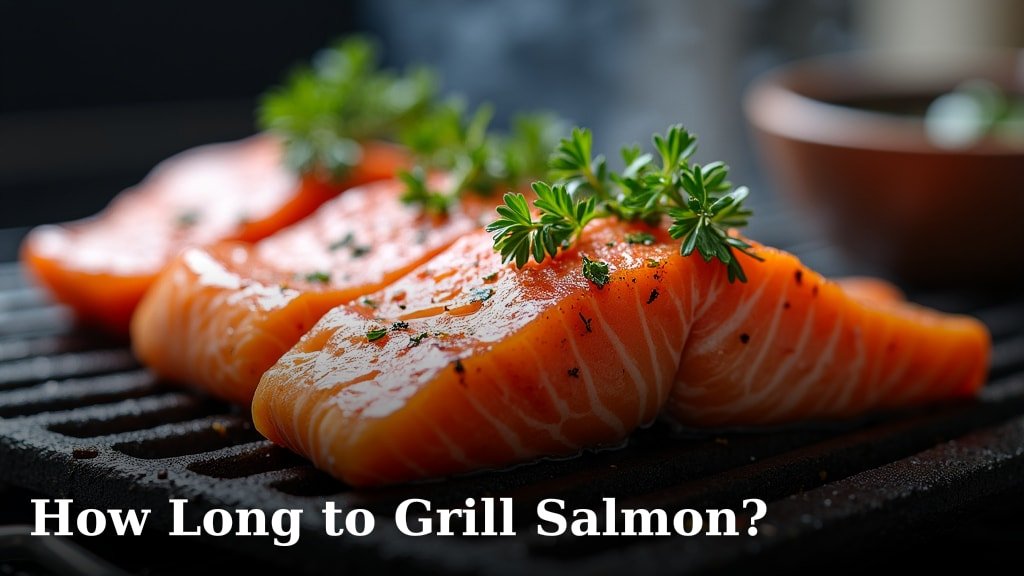
You’re probably wondering, how long to grill salmon? The general rule is to grill salmon for about 4-6 minutes per side, depending on thickness. This will give you perfectly cooked, flaky fish. You want the internal temperature to reach 145°F (63°C) for safety and the best texture.
Grilling salmon is surprisingly simple and quick. Understanding a few key factors will ensure your fish comes out amazing every time. We’ve found that paying attention to the thickness of your fillet and the heat of your grill makes all the difference. Don’t be intimidated; we’ll make sure you get it right.
- Grill time: 4-6 minutes per side.
- Target internal temp: 145°F (63°C).
- Thickness matters for cook time.
- Grill heat is also a big factor.
- Aim for flaky, not dry, fish.
So, let’s get your salmon grilled to perfection. We’ll cover exactly what you need to know to nail it, from prep to that satisfying first bite.
Perfecting Your Salmon Grilling Time
Figuring out exactly how long to grill salmon can feel like a puzzle. You want that beautiful, flaky texture without any dryness. The sweet spot is typically 4 to 6 minutes per side. This range works for most standard fillet thicknesses on a medium-high heat grill.
Understanding the Core Factors
Several things play a role in getting your salmon just right. The thickness of the salmon is your biggest clue. A thinner piece cooks much faster than a thick, majestic steak. Also, how hot your grill is can dramatically change the cooking time. Too hot, and you’ll char the outside before the inside is done. Too low, and you might overcook it trying to get some color.
Why Thickness is King
Think of your salmon fillet like a tiny cake. A thin one needs just a few minutes in the oven. A thick one needs more time. We’ve found that fillets around 1 inch thick are the easiest to manage. They usually take about 4-5 minutes per side on a hot grill. Thicker cuts, perhaps 1.5 inches or more, might need closer to 6-7 minutes per side. Always check with a thermometer!
Grill Temperature Matters a Lot
You’re aiming for a grill temperature of around 400-450°F (200-230°C). This is considered medium-high heat. It’s hot enough to get a nice sear and cook the salmon quickly. If your grill runs cooler, you’ll need to add extra minutes to your cooking time. If it runs hotter, you’ll need to be extra vigilant to avoid burning.
The Ultimate Salmon Grilling Timeline Guide
Let’s break down the process so you can grill salmon with confidence. It’s all about watching, timing, and knowing what to look for.
Preparing Your Salmon for the Grill
Before you even think about the grill, a little prep goes a long way. First, pat your salmon fillets completely dry with paper towels. This is a pro tip that helps get a better sear. Then, brush both sides lightly with olive oil or your favorite grilling oil. Season generously with salt and pepper. Some people like to add garlic powder or a favorite herb blend here too.
Direct Heat vs. Indirect Heat
For most salmon grilling, you’ll use direct heat. This means placing the fish directly over the hottest part of your grill. This method gives you that lovely crispy skin and grill marks. For very thick fillets, or if you find your grill is a bit too aggressive, you might use a combination of direct and indirect heat. Start over direct heat for a minute or two to sear, then move to the cooler side of the grill to finish cooking through.
The Grilling Steps: What to Do and When
Ready to get cooking? Here’s a step-by-step approach that works well. We found this method consistently delivers great results.
- Preheat your grill to medium-high heat (400-450°F or 200-230°C).
- Clean your grill grates thoroughly. Then, oil the grates. You can do this with a paper towel dipped in oil and held with tongs.
- Place your prepared salmon fillets skin-side down if they have skin. If skinless, place the presentation side down first.
- Close the grill lid.
Timing is Everything: Flipping and Finishing
Now, let the magic happen. For a 1-inch thick fillet, grill for about 4 to 6 minutes on the first side. You’ll notice the color change moving up the sides of the fish. The edges will start to look opaque. At this point, you’re ready to flip. Use a sturdy, thin spatula to carefully turn the salmon over. If the skin is sticking, it probably needs another minute or so. Grilling the second side usually takes a bit less time, maybe 3 to 5 minutes.
Checking for Doneness
The best way to know if your salmon is done is to use an instant-read thermometer. Insert it into the thickest part of the fillet. The U.S. Food and Drug Administration (FDA) recommends an internal temperature of 145°F (63°C) for cooked fish. At this temperature, the salmon will be opaque and flake easily with a fork. Many people prefer their salmon slightly less cooked, around 130-135°F (54-57°C), for a more tender, moist result. The residual heat will continue to cook it a bit after you remove it from the grill.
A Handy Grilling Time Chart
To make things super simple, we’ve put together a quick chart. This is based on average fillet thicknesses and medium-high grill heat. Always remember these are guidelines, and your thermometer is your best friend!
| Salmon Thickness | Time per Side (approximate) | Target Internal Temperature |
|---|---|---|
| 1/2 inch | 3-4 minutes | 145°F (63°C) |
| 1 inch | 4-6 minutes | 145°F (63°C) |
| 1.5 inches | 6-7 minutes | 145°F (63°C) |
| 2 inches | 7-9 minutes | 145°F (63°C) |
What to Do If Your Salmon Sticks
Ah, the dreaded grill stick! It happens to everyone. The most common reason is flipping too early. If the salmon is ready to be flipped, it should release from the grates with a gentle nudge. If it’s firmly stuck, give it another 30-60 seconds. The heat should help it release. Also, ensure your grill grates were clean and well-oiled before you started.
Don’t Forget the Rest!
Once your salmon is perfectly grilled, let it rest for a minute or two off the heat. This helps the juices redistribute. Then, serve it up! You can squeeze fresh lemon over it, add a sprinkle of fresh dill, or serve it with your favorite grilled vegetables. Many people find grilled asparagus or zucchini pair beautifully.
Your Salmon Grilling Checklist
Got all that? Let’s make sure you’re prepped for success. Here’s a quick rundown to keep in mind:
- Pat salmon very dry.
- Oil fillets and grill grates well.
- Preheat grill to 400-450°F (200-230°C).
- Cook 4-6 minutes per side for 1-inch thickness.
- Use a thermometer to check for 145°F (63°C).
- Let salmon rest briefly before serving.
Conclusion
You’ve got this! Grilling salmon is all about timing and a few simple checks. Remember, aiming for that 4-6 minutes per side on a medium-high grill is your starting point. Always trust your instant-read thermometer for that perfect 145°F internal temperature. Pay attention to fillet thickness, and don’t be afraid to adjust slightly based on your grill’s heat. Now, go forth and grill some amazing salmon!
Frequently Asked Questions
What if my salmon fillet is much thicker or thinner than 1 inch?
If your fillet is thinner, like 1/2 inch, you’ll want to grill it for about 3-4 minutes per side. For much thicker cuts, over 1.5 inches, plan for 6-9 minutes per side. Always use your thermometer to confirm doneness.
Can I grill salmon on a gas grill or charcoal grill?
Yes, you absolutely can grill salmon on either type of grill. The key is to achieve and maintain the correct temperature. For charcoal grills, arrange coals for medium-high heat. For gas grills, use the medium-high setting.
How do I know when to flip my salmon?
You’ll know it’s time to flip when the color of the salmon has changed about halfway up the sides, and the edges look opaque. If the skin is sticking, give it another 30-60 seconds, as it usually releases when properly seared.
What if I don’t have an instant-read thermometer?
If you don’t have a thermometer, look for the salmon to be opaque all the way through and flake easily with a fork. The flesh should separate with just a gentle push. Be careful not to overcook it, as it can become dry quickly.
Is it better to grill salmon with the skin on or off?
Grilling with the skin on is often recommended. The skin acts as a protective layer, helping to keep the fish moist and preventing it from falling apart on the grill. It also gets wonderfully crispy!
