
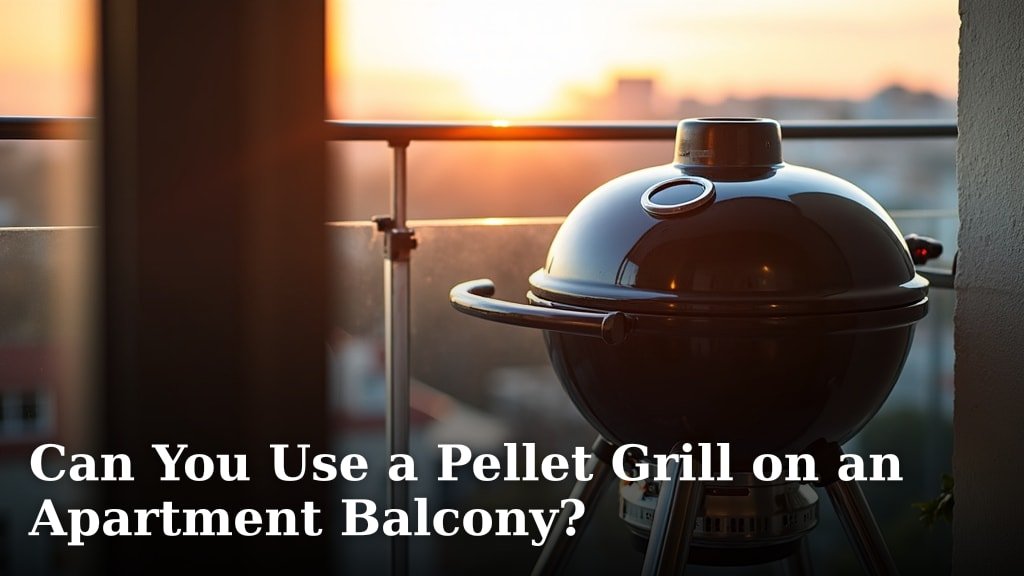
Yes, you can often use a pellet grill on an apartment balcony, but you need to be very careful. The main concern is fire safety and avoiding smoke buildup. Always check your building’s regulations first, as many have strict rules about grilling on balconies. Proper ventilation and understanding the risks are key to using a pellet grill responsibly in this setting.
Pellet grills use wood pellets to create heat and smoke, which means they produce both. While generally considered safer than charcoal or gas grills due to their controlled heat, the smoke can be a major issue for neighbors. You’ll need to ensure you’re using a small, portable pellet grill and have a plan for managing smoke and preventing accidental fires. It’s not a simple ‘set it and forget it’ situation on a balcony.
- Building Rules First: Always check your lease or HOA.
- Smoke Management: Be mindful of neighbors.
- Fire Safety is Paramount: Keep a fire extinguisher handy.
- Grill Size Matters: Opt for smaller, apartment-friendly models.
- Ventilation is Key: Ensure good airflow.
So, if you’re dreaming of that balcony BBQ, let’s walk through the essential steps and considerations to make it happen safely and without annoying your neighbors.
“`htmlThinking about firing up a pellet grill on your apartment balcony? It’s a tempting idea, isn’t it? The smoky aroma of perfectly cooked ribs or burgers wafting through the air. But before you clear off that patio table, let’s get real about the practicalities. It’s not as simple as just plugging it in and going. There are some pretty important things to consider for your safety, your neighbors’ comfort, and your lease agreement.
Grilling on Your Balcony: What to Know
Can you actually use a pellet grill on an apartment balcony? The short answer is often yes, but with significant caveats. You absolutely must put safety and your building’s rules first. Many apartment complexes and HOAs have specific regulations about grilling. Ignoring these can lead to fines or even eviction. It’s always best to check your lease agreement or community guidelines before you buy or use a grill on your balcony.
Understanding Pellet Grill Safety in Small Spaces
Pellet grills are generally considered safer than some other types of grills. They use an electric igniter and have a controlled burn. This means you have less risk of flare-ups compared to charcoal grills. However, they still produce heat and smoke. The smoke is a major factor when you’re in close quarters with neighbors. Too much smoke can easily drift into other apartments, causing discomfort and complaints. You need to be **very mindful of ventilation** and how smoke will escape your balcony.
Fire Prevention is Key
Fire is always a concern with any cooking appliance. On a balcony, the risks can be amplified. You might have flammable materials nearby, like dry plants or outdoor furniture. Pellet grills can get very hot, and malfunctions can happen. You need to have a plan for preventing fires and knowing what to do if one starts. This means keeping your grill clean and in good working order. It also means having a **fire extinguisher rated for grease fires** readily accessible. Keep it within arm’s reach, not buried in a storage bin.
Building Regulations: Your First Hurdle
This is the most critical step. Before you even think about grilling, you *must* check your building’s rules. Many places have strict policies against open flames or grills on balconies, regardless of the type. This isn’t just about fire safety; it’s also about air quality and potential damage to the building’s exterior.
- Lease Agreement: Read it carefully. Look for clauses about outdoor cooking or grilling.
- HOA Rules: If you’re in a condo or townhouse community, your Homeowners Association has its own set of rules.
- Ask Management: If you can’t find written rules, speak directly with your landlord or property manager. Get their approval in writing if possible.
- Local Fire Codes: Some cities have specific fire codes that restrict grilling on balconies, especially in multi-unit dwellings. A quick search of your local fire department’s website might offer clues.
Many experts suggest that even if your building allows grills, there might be restrictions on size or type. If your building says “no grills,” then it’s a **hard no for pellet grills too**. Don’t try to find loopholes.
Choosing the Right Pellet Grill for Your Balcony
If your building *does* allow grilling, not all pellet grills are created equal for balcony use. Size and design matter a lot. You want something compact and efficient. A massive, industrial-sized grill is simply not practical or safe for a small balcony space.
Size Matters: Go Small and Portable
Look for **smaller, portable pellet grill models**. These are designed for tailgating, camping, or smaller patios. They typically have smaller hopper capacities and cooking surfaces. This means they use less fuel and produce less smoke overall. Brands often market these as “personal” or “tailgate” grills. Their compact size also makes them easier to store when not in use. A smaller grill is less likely to overwhelm your balcony space. It also makes managing heat and smoke a bit easier.
Features to Look For
When shopping for a balcony-friendly pellet grill, consider these features:
- Portability: Does it have sturdy legs or wheels? Can it be moved easily?
- Hopper Size: Smaller hoppers mean you’ll be refilling more often, but also that you’re using less fuel at once.
- Temperature Control: Look for grills with digital thermostats that offer precise temperature management. This helps prevent overheating.
- Ease of Cleaning: Balconies can be tight spaces. A grill that’s easy to clean will prevent grease buildup, which is a fire hazard.
Some newer models even come with features like Wi-Fi connectivity, which can be helpful. You can monitor cooking temperatures from inside your apartment. This keeps you from having to hover over a hot grill on a potentially crowded balcony.
Balcony Grilling Best Practices: Safety and Etiquette
Even with the right grill and permission, responsible grilling is essential. Your neighbors’ comfort and safety are just as important as your own.
Ventilation: Letting the Smoke Out (and Heat Too)
Proper ventilation is perhaps the biggest challenge. Pellet grills produce smoke, and on a balcony, that smoke has nowhere to go but up and potentially into your neighbors’ windows or living spaces.
- Clear Airflow: Ensure there’s ample open space around your grill. Don’t crowd it with furniture or plants.
- Wind Direction: Pay attention to the wind. Grilling on a very still day can lead to smoke buildup. A gentle breeze can help disperse it.
- Smoke-Less Pellets: Consider using **”competition blend” or “hardwood” pellets** that produce less smoke compared to some fruitwood blends. Some manufacturers also offer “low smoke” pellets.
- Avoid Overfiring: Don’t crank the heat unnecessarily high. This often creates more smoke. Find the right temperature for your food and stick to it.
If you see smoke billowing excessively, it’s time to stop or adjust your method. Remember, your neighbors might have respiratory issues or simply not enjoy the smell of cooking smoke invading their home.
Fire Safety Checklist for Balcony Grilling
Having the right gear and knowing how to use it can prevent a disaster. Here’s a quick checklist:
- Fire Extinguisher: Always have a Class B or K fire extinguisher nearby. Check its pressure gauge monthly.
- Water Source: Keep a bucket of water or a hose handy, just in case.
- Clear Zone: Maintain a 10-foot radius around the grill, free of flammable materials.
- Never Leave Unattended: A grill on a balcony should never be left alone while in operation.
- Cool Down Period: Ensure the grill is completely cool before covering or storing it.
These simple steps can make a world of difference in preventing accidents. Experts at the National Fire Protection Association (NFPA) consistently highlight unattended cooking as a leading cause of fires.
Neighborly Conduct: Being a Good Balcony Griller
Being considerate of your neighbors is non-negotiable. Imagine you’re sensitive to smoke or have allergies. You wouldn’t want thick smoke drifting into your home, would you?
- Timing is Everything: Avoid grilling during peak times when neighbors are likely to have their windows open or be enjoying their own balcony space. Early afternoon or later in the evening might be better.
- Be Mindful of Smoke Drift: If you notice smoke heading towards a neighbor’s apartment, try to adjust your grill’s position or turn it off.
- Keep Noise Down: While grilling, be mindful of any loud music or conversation that might disturb others.
- Cleanliness Counts: Keep your balcony area clean and tidy. Grease drips or messy ash can be an eyesore and a hazard.
A friendly chat with your immediate neighbors beforehand can also go a long way. Let them know you plan to grill occasionally and assure them you’ll be mindful of smoke and noise. This simple act of communication can build goodwill and prevent future complaints.
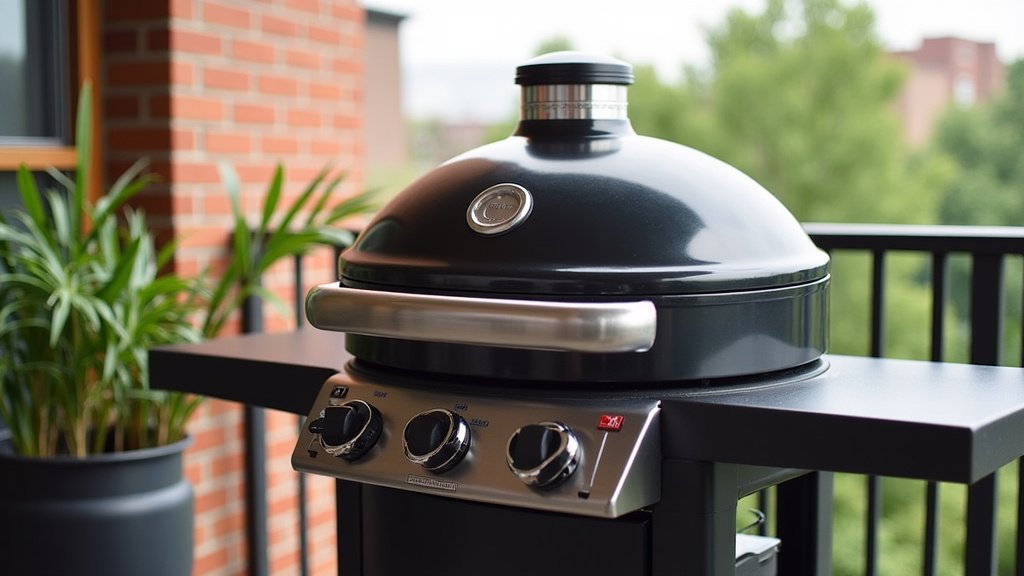
Pellet Grill Alternatives for Apartment Living
If a pellet grill proves too problematic or your building strictly forbids grilling, don’t despair! There are other ways to enjoy grilled flavors. Electric grills or indoor grill pans can offer a similar experience with fewer risks.
Electric grills are a popular choice for apartments. They often mimic the grilling process without open flames or excessive smoke. Many are designed for tabletop use. They plug into a standard electrical outlet. These are usually approved by most building management. They still provide those nice sear marks and smoky flavor profiles, albeit in a more controlled manner. It’s worth exploring these options if your balcony grilling dreams hit a regulatory wall.
“`Conclusion
Using a pellet grill on your apartment balcony is possible, but it demands responsibility. You’ve learned that checking building rules is your absolute first step. Remember to prioritize fire safety with a dedicated extinguisher and maintain clear ventilation to keep smoke from bothering neighbors. Choosing a smaller, portable grill is key for space and safety. If it works out, you can enjoy delicious grilled food right at home. Always err on the side of caution and communicate with your neighbors for a positive experience.
Frequently Asked Questions
What if my apartment building doesn’t explicitly mention grilling rules?
If your lease or HOA rules are silent on grilling, it’s safest to assume it’s not allowed or at least requires special permission. Always contact your property manager or landlord in writing to clarify. Getting their approval beforehand can prevent misunderstandings and potential issues.
How can I minimize smoke when grilling on a balcony?
To reduce smoke, use high-quality hardwood pellets, especially those labeled “competition blend” or “low smoke.” Avoid overfilling the hopper and try to maintain a consistent, moderate temperature rather than high heat. Also, pay attention to wind direction to help disperse smoke naturally.
Is a portable pellet grill truly safe for a small balcony?
Portable pellet grills are generally designed for smaller spaces. However, “safe” depends on your diligence. Ensure you maintain a clear, non-flammable area around the grill, never leave it unattended, and always have a fire extinguisher ready. Your grill’s stability on the balcony surface is also important.
What’s the difference between pellet grill smoke and charcoal/gas grill smoke?
Pellet grills produce a more consistent, often milder smoke flavor compared to the sometimes acrid smoke from charcoal. While pellet smoke is usually less intense, it can still be a nuisance in close living situations if not managed properly. Gas grills produce very little smoke, primarily just heat vapor.
Can I use an electric pellet grill on my balcony?
Some electric grills mimic the pellet grill experience without using actual pellets. If your building prohibits grills with flames or smokers, an electric grill that plugs into an outlet might be an approved alternative. Always confirm the specific regulations and the grill’s power requirements.
