
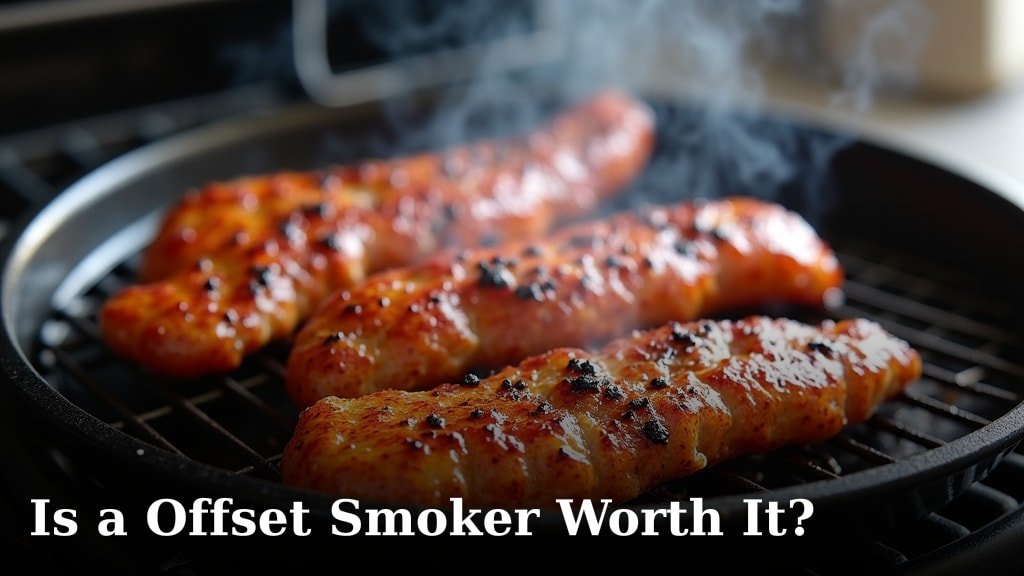
Is an Offset Smoker Worth the Investment?
Yes, an offset smoker is worth it for many BBQ lovers, especially if you want authentic, wood-fired flavor and enjoy the process of low-and-slow cooking. It’s a great choice for hobbyists who love hands-on smoking. For casual grillers or those with limited space, other options might be better.
Let’s break it all down so you can decide for yourself. We’ll look at the real pros and cons, the costs, and who this type of smoker is actually for. This isn’t about hype; it’s about finding what works for your life.
What Exactly Is an Offset Smoker?
An offset smoker has a unique two-chamber design. There’s a large cooking chamber where your meat goes. Then, a smaller firebox is attached to the side. You build a fire in this side box, and the smoke and heat travel sideways into the main chamber to cook your food.
This setup mimics old-school, traditional smoking. It’s the kind of pit you see in Texas barbecue joints. The direct heat and smoke from real wood logs create that classic, deep flavor many people crave.
The Real Benefits of Offset Smoking
Now, let’s talk about why someone would want this. The benefits are clear if you value taste and the art of BBQ.
Flavor That’s Hard to Beat
This is the biggest reason people choose offset smokers. Using real wood logs or chunks—like hickory, oak, or cherry—gives your food an unmatched, complex smoke flavor. Research from the American Meat Science Association confirms that wood smoke compounds create the signature taste of barbecue. Many experts say this flavor profile is the gold standard for brisket, ribs, and pulled pork.
You control the type of wood. You control the intensity of the smoke. It’s a very hands-on, rewarding process that makes every cook feel special.
The Social BBQ Experience
Smoking meat on an offset is often a social event. It takes hours, so you might gather friends and family. The fire, the aroma, and the slow pace make it a centerpiece for a backyard gathering. It’s less about quick grilling and more about hanging out while something delicious cooks.
Think of it as a hobby that brings people together. It’s like being the conductor of your own backyard cooking show.
The Drawbacks You Should Know
Offset smokers aren’t perfect. It’s important to be honest about the challenges. These drawbacks are why some people decide against them.
Learning Curve and Maintenance
Managing an offset smoker isn’t as simple as setting a temperature and walking away. You need to learn fire management. This means adding wood, adjusting vents, and keeping a consistent temperature. It can be a skill that takes several cooks to master.
Maintenance is also a factor. You’ll need to clean out ash, manage grease buildup, and protect the metal from rust. For some, this is part of the fun. For others, it feels like a chore. We found that beginners often struggle with temperature spikes at first, but practice helps.
Space and Weather Considerations
Offset smokers are usually big and heavy. They need a permanent or semi-permanent spot on your patio or yard. If you have a small balcony or limited outdoor space, they might not fit. They are also sensitive to wind and cold weather. A strong wind can mess with your fire temperature, so a sheltered spot is best.
You also need to store wood or charcoal somewhere dry. It’s a commitment of space, not just money.
Cost Breakdown: Upfront vs. Long-Term
Let’s get into the money. The cost of an offset smoker can vary a lot. We’ll compare a basic model with more expensive ones.
| Type of Offset Smoker | Typical Price Range | What You Get |
|---|---|---|
| Entry-Level / Smaller | $200 – $500 | Thinner metal, less cooking space. May rust faster. Good for beginners testing the waters. |
| Mid-Range / Popular Models | $500 – $1,200 | Better construction, thicker steel. Larger cooking area. More consistent temperature control. |
| High-End / Commercial Style | $1,200 – $3,000+ | Premium, heavy-duty steel. Excellent heat retention. Often comes with features like better grates and vents. |
Beyond the initial purchase, think about ongoing costs. You’ll need wood, charcoal, and possibly a cover to protect it. However, compared to a fancy pellet grill, the fuel costs can be lower if you use less expensive hardwoods. Many owners find the investment worthwhile for the flavor.
Who Should Buy an Offset Smoker?
This type of smoker is not for everyone. It’s ideal for a specific kind of person. If you enjoy hands-on cooking and have time, it’s for you.
It’s great for hobbyists who love the process. People who see BBQ as an art or a craft, not just a way to make dinner. If you have a large family or often host gatherings, the big cooking space is a huge plus. It’s also perfect for those who want that traditional, wood-fired taste above all else.
Is It Worth It for Beginners?
If you’re brand new to smoking, an offset can be a tough start. The learning curve is steeper than with other smokers. Many beginners find pellet grills or charcoal smokers easier to control at first.
However, if you’re determined and love a challenge, you can start with a smaller, cheaper offset. Just be prepared for some trial and error. We found that many successful pitmasters started with offsets because they learned the fundamentals of smoke and fire the hard way.
Alternative Smokers to Consider
Before you decide, it’s smart to look at other options. An offset isn’t the only way to smoke meat. Each type has its strengths.
| Smoker Type | Key Feature | Best For | Consideration |
|---|---|---|---|
| Offset Smoker | Real wood fire, classic flavor | Purists, social cooks, large cuts | High skill and attention required |
| Pellet Grill | Set temperature, easy to use | Beginners, convenience lovers | Uses wood pellets, less hands-on |
| Kamado Grill | Excellent heat retention | Grilling and smoking, fuel efficient | Heavy, can be expensive |
| Electric Smoker | Plug-and-play simplicity | Apartment dwellers, ease of use | Less authentic smoke flavor |
Each has trade-offs. Offsets win on flavor and experience. Others win on ease of use or versatility. Your choice depends on what you value most.
Final Verdict: Is It Right for You?
An offset smoker is worth it if you want the best possible smoke flavor and enjoy the ritual of building a fire. It’s a rewarding but demanding hobby. If you have the space, time, and patience, it can become the heart of your backyard cooking.
However, if you want quick, consistent results with less effort, you might be happier with a pellet grill or another type. The key is matching the smoker to your lifestyle and what you love about BBQ.
Quick Checklist: Should You Buy an Offset Smoker?
Ask yourself these questions before you buy. Use this list to guide your decision.
- Space: Do you have enough outdoor space for a large, heavy smoker and a wood pile?
- Time: Are you willing to spend several hours tending a fire for each cook?
- Purpose: Is authentic, wood-fired flavor your top priority for BBQ?
- Budget: Can you afford the upfront cost plus wood, covers, and maintenance?
- Patience: Are you prepared to learn and possibly mess up a few cooks before you get it right?
If you answered yes to most of these, an offset smoker could be a fantastic addition to your home. It’s an investment in a hobby, not just a tool. It’s about the journey as much as the delicious end result.
Conclusion
An offset smoker delivers **unbeatable wood-fired flavor** for those who love the craft of BBQ. It rewards patience and turns cooking into a memorable, social event. The trade-off is a steeper learning curve, more maintenance, and a real commitment of your time and space.
So, is it worth it for you? If you dream of that authentic smoke and enjoy tending a fire, the answer is yes. If you prioritize pure convenience, you should look elsewhere. Your best next step is to **revisit our checklist** or visit a store to see one in person. The right smoker depends entirely on your passion and patience.
Frequently Asked Questions
How much does it really cost to run an offset smoker?
Beyond the purchase price, your main ongoing cost is fuel. We found that a 12-hour brisket cook can use 15-20 pounds of wood chunks or charcoal. Costs vary by region, but budgeting **$10-$30 per cook** for wood is a reasonable starting point for planning.
Can I use an offset smoker in the winter?
Yes, but it’s more challenging. Cold and wind will steal heat, forcing you to use more fuel to maintain temperature. It’s best to use it in a **sheltered spot** and be prepared for longer cook times during very cold weather.
Is the smoke flavor from an offset different than a pellet grill?
Yes, it is. An offset produces a more **complex, robust flavor** from burning solid wood, while pellet grills offer a milder, more consistent smoke from compressed sawdust pellets. Many purists argue the offset provides the classic, deeper barbecue taste.
How long does an offset smoker typically last?
A well-maintained offset smoker from a quality brand can last **10-15 years or more**. The key is regular cleaning, covering it when not in use, and addressing any rust spots early. Cheaper models may only last a few seasons before issues arise.
What’s the biggest mistake beginners make with offsets?
The most common mistake is **adding too much wood or opening the lid too often**. This causes temperature spikes and sooty, bitter smoke. Start with a small, hot fire and focus on maintaining clean, thin blue smoke for the best results.
