
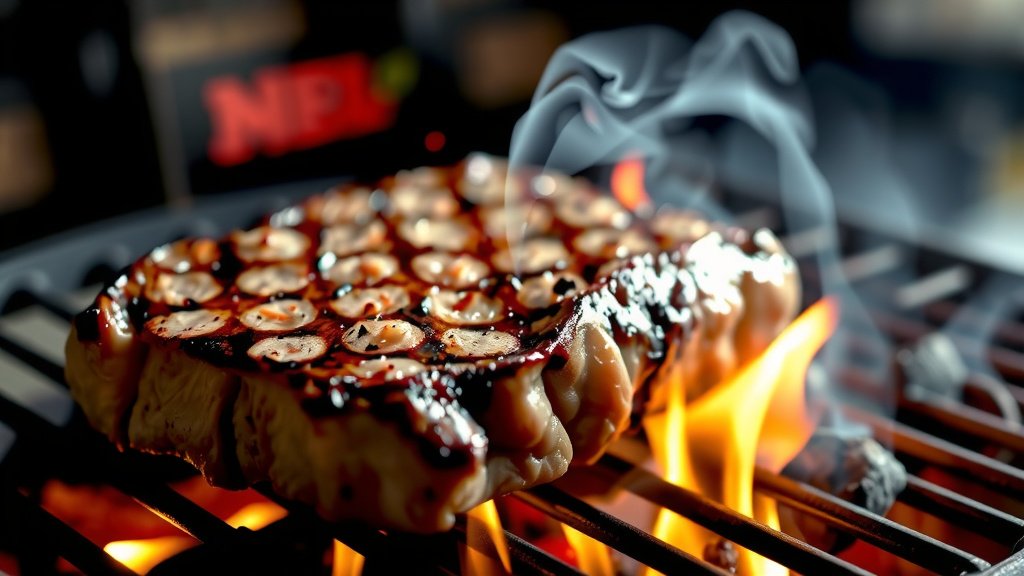
To charcoal grill steak, start with a two-zone fire for both direct searing and indirect cooking, aiming for a grill temperature around 450-500°F (232-260°C) for direct heat.
Sear your steak for 2-3 minutes per side over direct heat, then move it to the indirect zone until it reaches your desired internal temperature, using a reliable meat thermometer.
TL;DR
- Choose a thick steak cut like ribeye or New York strip for best results.
- Always create a two-zone fire: one side hot for searing, one side cooler for finishing.
- Use a meat thermometer to hit your preferred doneness accurately.
- Let your steak rest after grilling to keep those delicious juices inside.
- Proper seasoning and bringing the steak to room temperature are crucial first steps.
How To Charcoal Grill Steak?
Grilling a steak over charcoal offers a flavor that gas grills simply can’t match. You can achieve that perfect crust and smoky aroma right in your backyard.
Why Charcoal Grilling Wins for Steak
Charcoal provides an incredibly intense, dry heat, ideal for searing. This heat creates a beautiful, caramelized crust, known as the Maillard reaction. Many experts say this reaction gives charcoal-grilled steak its distinctive, rich flavor.
Choosing the Right Steak Cut
Your journey to a great grilled steak begins with choosing the right cut. Some cuts are naturally better suited for high heat. We found that ribeye, New York strip, and sirloin are top choices. They have good marbling, which means more flavor and tenderness when cooked.
Thickness Matters
Aim for steaks that are at least 1 to 1.5 inches thick. Thicker steaks give you a better chance to achieve a great sear without overcooking the inside. Thin steaks often cook too quickly, making it hard to get that perfect medium-rare.
Essential Tools You’ll Need
Having the right gear makes all the difference. You don’t need fancy equipment, just a few key items. We found these tools make charcoal grilling much easier:
- Charcoal chimney starter: Lights charcoal quickly and evenly.
- Long-handled tongs: Keeps your hands safe from the heat.
- Instant-read meat thermometer: The only way to know doneness for sure.
- Quality charcoal: Lump charcoal or briquettes work well.
- Grill brush: Clean grates prevent sticking.
Prepping Your Steak for Success
Preparation is half the battle when grilling steak. These steps help ensure a fantastic outcome. Skipping these can lead to a less than ideal experience for you.
Seasoning Your Steak
A simple seasoning of coarse salt and black pepper is often all you need. Apply it generously to both sides just before grilling. Some chefs also suggest a light coating of olive oil to help with browning.
Bringing Steak to Room Temperature
Take your steak out of the refrigerator about 30-60 minutes before grilling. This step helps the steak cook more evenly from edge to center. A cold steak hitting a hot grill can lead to a tougher texture and uneven cooking.
Setting Up Your Charcoal Grill
The key to perfect charcoal-grilled steak is a two-zone fire. This setup allows you to sear over high heat and then finish cooking over lower, indirect heat. It gives you more control over doneness.
Lighting Your Charcoal
Use a chimney starter to light your charcoal. Fill it up, place a fire starter or newspaper below, and light it. Wait until the charcoal is mostly ash-covered and glowing red. This usually takes about 15-20 minutes.
Achieving the Perfect Grill Temperature
Once the charcoal is ready, pour it out onto one side of your grill. This creates your direct heat zone. The other side remains empty, becoming your indirect zone. Close the lid and let the grill preheat for 10-15 minutes. Aim for 450-500°F (232-260°C) over the direct heat.
The Grilling Process: Sear and Cook
Now for the fun part! This two-step cooking process ensures a beautiful crust and a tender, juicy interior. You’ll be amazed at the professional results you can get.
Searing for That Incredible Crust
Place your steak directly over the hot charcoal. Listen for that satisfying sizzle! Sear for 2-3 minutes per side, depending on thickness. You want a deep brown crust to form, but avoid burning it.
Cooking to Your Desired Doneness
After searing, move the steak to the indirect heat zone. Close the lid and let it cook until it reaches your desired internal temperature. Use your meat thermometer often. Here’s a general guide:
| Doneness | Internal Temperature | Look/Feel |
|---|---|---|
| Rare | 125-130°F (52-54°C) | Cool red center |
| Medium-Rare | 130-135°F (54-57°C) | Warm red center (Many prefer this) |
| Medium | 135-140°F (57-60°C) | Pink center |
| Medium-Well | 140-145°F (60-63°C) | Slightly pink center |
| Well-Done | 150°F+ (66°C+) | No pink |
Using a Meat Thermometer is Key
Research often connects accurate cooking with food safety and quality (USDA). A reliable instant-read thermometer takes all the guesswork out of grilling. Insert it into the thickest part of the steak, avoiding bone. This ensures you hit your target doneness every time.
The Crucial Rest Period
Once your steak reaches its target temperature, remove it from the grill immediately. Place it on a cutting board and tent it loosely with foil. Let it rest for 5-10 minutes. This allows the juices to redistribute throughout the meat, leading to a more tender and flavorful steak. Cutting too soon makes all the juices run out.
Slicing Your Perfect Steak
After resting, slice your steak against the grain. This means cutting perpendicular to the direction of the muscle fibers. Slicing against the grain shortens the fibers, making the steak much more tender and easier to chew. Enjoy your masterpiece!
Quick Steak Grilling Checklist
Before you fire up that grill, run through this quick list:
- Choose a thick, well-marbled steak cut.
- Pat your steak dry and season generously.
- Allow steak to reach room temperature before grilling.
- Set up a two-zone fire with hot direct and cooler indirect zones.
- Sear for 2-3 minutes per side over direct heat.
- Finish cooking over indirect heat until desired internal temperature.
- Always use an instant-read meat thermometer.
- Rest your steak for 5-10 minutes after grilling.
- Slice against the grain for maximum tenderness.
Conclusion
Grilling a steak over charcoal is a truly rewarding experience, offering flavors and textures that are hard to beat. By focusing on simple techniques like a two-zone fire, proper seasoning, and using a meat thermometer, you can consistently achieve a perfectly cooked, juicy, and flavorful steak. Don’t be afraid to experiment a little, and soon you’ll be grilling steaks like a seasoned pro, delighting friends and family with your charcoal creations.
Can I use lighter fluid to light my charcoal for steak?
While you can use lighter fluid, it’s generally not recommended for grilling steak. Lighter fluid can impart an off-flavor to your food. A charcoal chimney starter with a natural fire starter or some crumpled newspaper is a much cleaner and more efficient way to light your charcoal.
How do I know when my grill is hot enough for searing?
You can test the heat by holding your hand about 4-5 inches above the grates. If you can only hold it there for 2-3 seconds, the grill is hot enough for searing (around 450-500°F). You should also see glowing red coals and a light layer of ash.
My steak stuck to the grill. What did I do wrong?
Steaks often stick if the grill grates aren’t clean or aren’t hot enough. Make sure to brush your grates thoroughly before adding the steak. Also, ensure the grill is fully preheated to temperature. A well-oiled grate can also help prevent sticking.
Should I flip my steak only once or multiple times?
For a great crust, many experts suggest flipping only once during the direct searing phase. However, for more even cooking and faster results, some chefs prefer to flip the steak every minute or so after the initial sear, especially during the indirect cooking phase. Both methods can work, so choose what feels best for you.
What if my charcoal burns out too quickly?
If your charcoal burns out quickly, you might not have used enough charcoal, or your grill vents might be open too wide, causing it to burn too fast. Try using more charcoal next time, and adjust your grill’s bottom air vents to control airflow and heat more effectively.
