
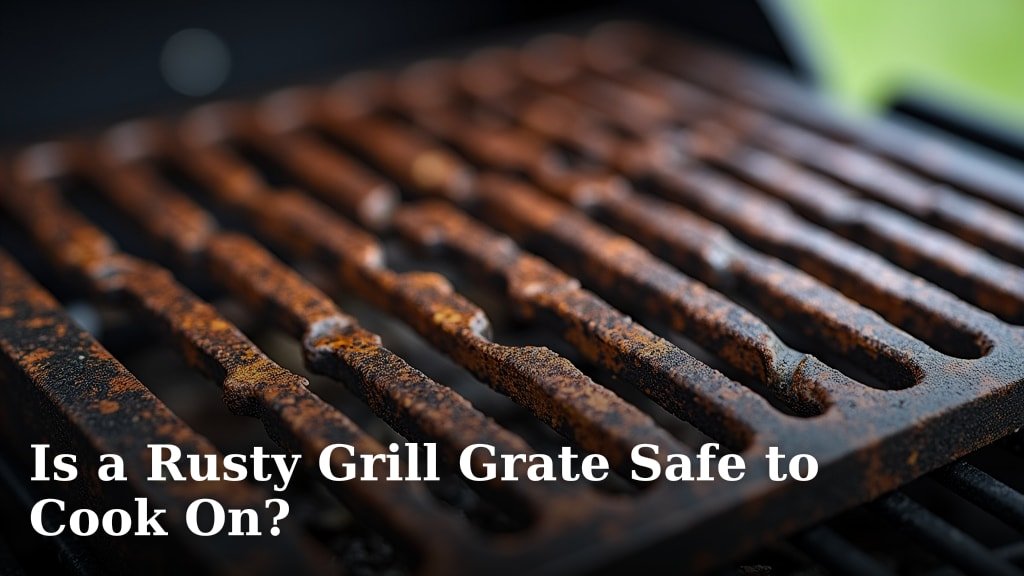
No, generally, it is not safe to cook on a rusty grill grate. While a little surface rust might seem harmless, it can pose health risks and affect your food’s taste. We recommend cleaning or replacing rusty grates.
Rust is iron oxide, and ingesting it can cause stomach upset. This is especially true for those with certain health conditions. Nobody wants a meal that comes with a side of metal flakes, right? You want your grilled food to be delicious and worry-free.
- Rusty grates can transfer rust particles to your food.
- Ingesting rust may cause digestive issues.
- Severe rust can weaken the grate, leading to breakage.
- Food cooked on a rusty grate might have an off-putting metallic taste.
- Proper maintenance prevents rust and ensures safe grilling.
Let’s dive into why rust forms, how to deal with it, and keep your grill in top shape for many delicious cookouts to come.
Understanding the Risks of Rusty Grill Grates
You’re probably here because you’ve noticed some rust on your grill. And you’re wondering, “Can I still use it?” We found that grilling with a rusty grate can be more than just unappealing. It carries several risks that every home cook should know.
First, let’s talk about those rust flakes. They can easily transfer to your food during cooking. Think about it: you’re scraping, flipping, and moving food around. Each action can cause tiny particles of rust to come loose. Nobody wants iron oxide in their dinner.
Beyond the aesthetic, there are health considerations. While small amounts of rust might not cause immediate harm for most healthy individuals, ingesting larger quantities can lead to stomach upset. Imagine feeling nauseous or having digestive discomfort after a backyard BBQ. That’s certainly not the goal of a good meal!
How Rust Forms on Your Grill
Rust isn’t some mysterious phenomenon. It’s a chemical reaction called oxidation. This happens when iron, or an alloy containing iron like steel, comes into contact with both oxygen and moisture. And where do you find plenty of oxygen and moisture? Outdoors, where your grill lives!
Leaving your grill exposed to rain, dew, or even just high humidity creates the perfect environment for rust. When water sits on the metal surface, it acts as a catalyst. This speeds up the process, turning that shiny grate into a reddish-brown mess.
Another common culprit is improper cleaning. If you clean your grates but don’t dry them thoroughly, the remaining water droplets can initiate rust formation. Sometimes, leftover food particles can also hold moisture against the metal, inviting rust to form underneath. It’s a sneaky process!
The Role of Grill Material
Not all grill grates are created equal when it comes to rust. We found that the material plays a big part in how susceptible your grates are. For instance, cast iron is notorious for rusting if not properly maintained. It’s a great heat conductor but needs regular seasoning.
Stainless steel grates are generally more rust-resistant. They contain chromium, which forms a protective layer, making them less likely to corrode. However, even stainless steel can rust if it’s cheap quality or if its protective layer is compromised by harsh cleaning or damage. It’s all about quality and care.
Identifying and Assessing Rust Levels
Before you decide what to do, you need to know how bad the rust truly is. Not all rust is created equal. A little surface discoloration is very different from deeply pitted, flaky rust. Take a moment to inspect your grates carefully.
Is it just a light, orange-brown film that wipes away easily? Or are there rough, crumbly patches that seem to go deep into the metal? This visual inspection will guide your next steps. Don’t rush this part; a thorough assessment is key to a safe grilling experience.
Surface Rust vs. Deep Rust
Let’s clarify the difference. Surface rust is like a minor skin abrasion. It’s usually a light, reddish-brown discoloration that hasn’t eaten into the metal. You might find it on grates that haven’t been used in a while or were left out in a light rain. It’s often relatively easy to clean off.
Deep rust, on the other hand, is more like a serious wound. It appears as flaky, pitted, and sometimes even crumbly spots. This type of rust indicates that the metal itself has been significantly compromised. It can weaken the grate structure and is much harder, if not impossible, to safely remove. Deep rust often means it’s time for a replacement.
Here’s a quick comparison to help you:
| Feature | Surface Rust | Deep Rust |
|---|---|---|
| Appearance | Light, orange-brown film/discoloration | Flaky, pitted, crumbly, often dark red/black |
| Texture | Rough but generally smooth underneath | Rough, uneven, sometimes brittle |
| Ease of Removal | Relatively easy with scrubbing/oil | Difficult; often requires heavy abrasion |
| Metal Integrity | Generally intact | Compromised, weakened spots |
| Risk Level | Low (if removed) | High (flakes easily into food) |
Cleaning and Restoring Lightly Rusted Grates
So, you’ve assessed your grates, and you’ve got some surface rust. Good news! You might be able to save them. Cleaning lightly rusted grates can be a straightforward process, but it requires a bit of elbow grease and the right tools. Your goal is to remove the rust without damaging the grate further.
Effective Cleaning Methods
One of the most effective ways to tackle light rust is with a wire brush. Make sure it’s a good quality grill brush with sturdy bristles. You’ll want to scrub the grates thoroughly, applying firm pressure. We found that doing this while the grill is warm can sometimes make the rust a little easier to dislodge, but be careful not to burn yourself.
For more stubborn spots, you can try a mixture of baking soda and water to create a paste. Apply the paste to the rusty areas and let it sit for about 20-30 minutes. The abrasive nature of baking soda can help lift the rust. Then, scrub it off with your wire brush or a non-scratch scourer. Always rinse thoroughly afterward.
Another option is using vinegar. White vinegar is a mild acid that can help dissolve rust. You can soak smaller grates in a vinegar bath or spray it directly onto larger grates. Let it sit for a few hours, then scrub it off. Again, a good rinse is essential to remove any vinegar residue.
Seasoning Your Grates After Cleaning
Once your grates are rust-free, especially if they are cast iron, seasoning is a must. This creates a protective, non-stick layer and helps prevent future rust. Think of it like moisturizing your skin; it keeps it healthy and protected. How do you do it?
After cleaning and drying your grates completely, apply a thin, even coat of high smoke point cooking oil. Vegetable oil, canola oil, or flaxseed oil work well. Use a paper towel to rub the oil all over the grates. Make sure you don’t over-oil; a thin layer is all you need.
Then, heat your grill to a high temperature (around 350-400°F or 175-200°C) for about an hour. The oil will bake onto the metal, creating that protective layer. Let the grill cool down, and your grates should be ready for use, and much more rust-resistant!

When to Replace Your Grill Grates
Sometimes, cleaning just isn’t enough. There comes a point where rust has done too much damage, and for your safety and the quality of your food, replacement is the only sensible option. How do you know when you’ve reached that point? It’s not always an easy call, but there are clear signs.
If you have deeply pitted, flaky rust that doesn’t scrub away, it’s time for new grates. This type of rust means the metal’s integrity is compromised. Flakes can easily break off and get into your food. Also, weakened spots can lead to the grate breaking under the weight of food, which is not only frustrating but potentially dangerous.
Another indicator is if you’re constantly cleaning rust off the same spots after every use, despite proper seasoning and care. This suggests the metal has been too deeply affected, and it’s fighting a losing battle. Investing in new grates can save you time, effort, and ensure a better cooking experience.
Preventing Rust: Best Practices for Grill Longevity
The best way to deal with rust is to prevent it from forming in the first place. A little proactive care goes a long way in keeping your grill grates in top condition. Think of it as preventative maintenance; it saves you headaches down the road. You want to enjoy delicious food, not battle rust!
Routine Maintenance Checklist
Keeping rust at bay isn’t complicated, but it does require consistency. Here’s a simple checklist to help you maintain your grill grates:
- Clean After Every Use: After grilling, while the grates are still warm, give them a good scrub with a wire brush. This removes food residue before it hardens.
- Dry Thoroughly: Always make sure your grates are completely dry before covering your grill or storing it. Moisture is rust’s best friend.
- Season Regularly: If you have cast iron grates, re-season them periodically, especially after a deep clean. This protective oil layer is crucial.
- Use a Grill Cover: A good quality, waterproof grill cover is your first line of defense against the elements. It protects your entire grill from rain and humidity.
- Store Properly: If possible, store your grill in a sheltered area like a garage or shed during long periods of non-use, especially in harsh weather.
- Inspect Periodically: Make it a habit to check your grates for any signs of rust before and after grilling. Catching it early makes removal much easier.
By following these simple steps, you can significantly extend the life of your grill grates. You’ll spend less time worrying about rust and more time enjoying perfectly grilled meals with your friends and family. Isn’t that what grilling is all about?
Conclusion
You now understand that cooking on a rusty grill grate is risky. We’ve seen that even minor rust can affect your food and health. Proper grill maintenance prevents rust from ever becoming an issue. If you find rust, assess it carefully and clean it thoroughly.
For deep rust, remember that replacement is the safest choice. Don’t compromise your health or meal quality for old grates. Take action today to ensure your next BBQ is delicious and worry-free. Your grill and your guests will thank you!
Frequently Asked Questions
Can a little surface rust really harm me?
While small amounts might not cause severe harm for most, ingesting rust particles can lead to stomach upset or digestive issues. Why take the chance? It also imparts an unpleasant metallic taste to your food.
Does cleaning rust off make my grill grates safe again?
If you have only light surface rust, thorough cleaning and re-seasoning can make your grates safe for use. However, for deep, flaky, or pitted rust, the metal’s integrity is compromised, and cleaning is not enough to ensure safety.
How often should I season my cast iron grill grates?
You should season cast iron grates after every deep cleaning or whenever they appear dull and dry. Regular seasoning builds up a protective layer, crucial for preventing rust and maintaining non-stick properties.
What’s the best type of grill brush for rust?
For rust removal, a sturdy wire brush is most effective. Ensure it’s designed for grills and check that the bristles are secure to avoid them breaking off and getting into your food. Some prefer brushes with stainless steel bristles.
Are there any natural alternatives to chemicals for rust removal?
Yes, white vinegar and baking soda are excellent natural options for removing light rust. Vinegar acts as a mild acid to dissolve rust, while baking soda creates an abrasive paste. Always rinse and dry thoroughly after using either.
