
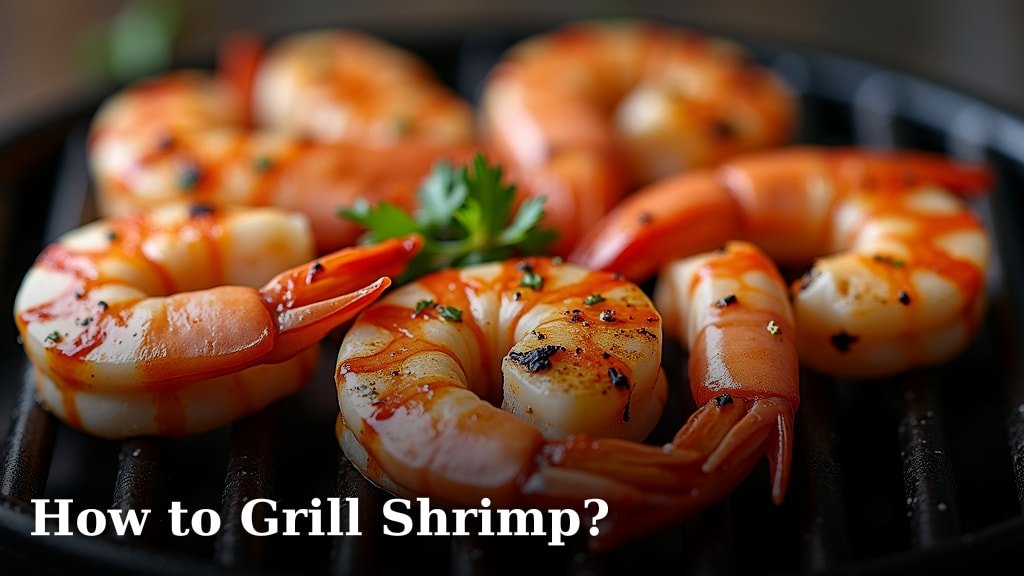
The easiest way to grill shrimp is by preparing them on skewers, which prevents them from falling through the grates and ensures even cooking. You’ll want to preheat your grill to medium-high heat, around 375-450°F, for perfect results. We found that cooking them for just 2-3 minutes per side gives you tender, juicy shrimp every time.
Grilling shrimp offers a wonderful way to enjoy this versatile seafood, giving it a delightful smoky flavor and a slightly charred texture. Whether you’re planning a quick weeknight dinner or a weekend BBQ, knowing how to grill shrimp can elevate your meal. It’s a surprisingly simple cooking method that yields impressive flavor.
TL;DR: Grilling Shrimp
- Use skewers to keep shrimp from falling through grates.
- Preheat your grill to a medium-high temperature.
- Cook for 2-3 minutes per side until pink and opaque.
- Marinating shrimp adds great flavor and moisture.
- Don’t overcook them; rubbery shrimp are no fun!
Below, we’ll walk you through exactly how to grill shrimp, step by step, so you can enjoy delicious, perfectly cooked seafood. Ready to get started?
Grilling Shrimp: Your Step-by-Step Guide
Grilling shrimp doesn’t have to be intimidating. We’ll walk you through each step, ensuring you get flavorful, perfectly cooked shrimp every time. Think of it as a culinary adventure!
Choosing and Prepping Your Shrimp
The foundation of great grilled shrimp starts with selecting the right kind. Don’t worry, it’s simpler than you might think.
What Kind of Shrimp Should You Buy?
For grilling, larger shrimp are generally better. They are less likely to fall through the grates and are easier to handle. Look for “jumbo” or “colossal” shrimp (21-25 count or 16-20 count per pound, respectively). You can buy them fresh or frozen.
If buying frozen, make sure they are individually quick-frozen (IQF). This means they weren’t frozen in a big block, which can damage their texture upon thawing.
We found that shell-on shrimp tend to stay juicier during grilling. The shell acts as a protective barrier, locking in moisture and flavor. However, peeled and deveined shrimp are certainly more convenient for eating.
Thawing and Cleaning Your Shrimp
If you’re using frozen shrimp, proper thawing is key. We recommend thawing them in the refrigerator overnight. This gentle method helps maintain their texture. If you’re in a hurry, you can place them in a colander under cold running water for about 10-15 minutes.
Once thawed, you’ll need to clean them. First, remove the shell if desired, leaving the tail on for easier handling on the grill. Next, you’ll want to devein them. This simply means removing the dark digestive tract that runs along the shrimp’s back. Use a small paring knife to make a shallow cut along the back and carefully pull out the vein. Rinse the shrimp under cold water and pat them dry with paper towels.
Flavoring Your Shrimp: Marinades and Seasonings
This is where you get to add your personal touch! A good marinade or seasoning blend can transform your shrimp.
Why Marinate?
Marinating shrimp serves a few purposes. It adds flavor, helps keep the shrimp moist, and can tenderize them slightly. However, don’t marinate shrimp for too long, especially if your marinade contains acidic ingredients like lemon juice or vinegar. The acid can “cook” the shrimp, making them tough or mushy.
We found that 15-30 minutes is usually sufficient for shrimp. For maximum flavor without overdoing it, aim for this sweet spot.
Simple Marinade Ideas
You don’t need fancy ingredients for a great marinade. Here are a few simple ideas we enjoy:
- Lemon Herb: Olive oil, lemon juice, minced garlic, dried oregano, salt, and pepper.
- Garlic Butter: Melted butter, minced garlic, a splash of white wine (optional), salt, and pepper.
- Spicy Lime: Olive oil, lime juice, chili powder, cumin, a pinch of cayenne, salt, and pepper.
Toss your cleaned shrimp in a bowl with your chosen marinade, cover, and refrigerate for the recommended time. Remember, less is often more with shrimp.
Skewering Your Shrimp for Grilling Success
This step is crucial for preventing your precious shrimp from taking a dive into the flames below.
Choosing the Right Skewers
You have a few options for skewers:
- Metal skewers: Reusable and durable. They conduct heat, which can help cook the shrimp from the inside out.
- Wooden skewers: Disposable and convenient. Remember to soak them in water for at least 30 minutes before grilling to prevent them from burning (USDA).
We prefer metal skewers for their ease of use and environmental friendliness. But whatever you choose, make sure they are long enough to span your grill grates.
How to Skewer Shrimp Properly
When skewering, try to pierce each shrimp twice. Thread them through the thickest part near the tail and then again near the head. This method helps keep the shrimp from spinning when you try to flip them. It also allows them to cook more evenly.
Don’t overcrowd your skewers. Leave a little space between each shrimp for even heat circulation. Think of it like giving each shrimp its own little personal cooking zone. This ensures they cook thoroughly and develop that beautiful charred exterior.
Grilling Your Shrimp to Perfection
The moment of truth! Grilling shrimp is surprisingly quick, so stay attentive.
Preheating and Preparing Your Grill
Start by preheating your grill to medium-high heat, roughly 375-450°F. A properly preheated grill is essential for getting those nice sear marks and preventing sticking. While it’s heating up, make sure your grill grates are clean. Use a grill brush to scrape off any old food bits.
Once hot, lightly oil the grates. You can do this by folding a paper towel, dipping it in a little vegetable oil, and using tongs to rub it over the hot grates. This further helps prevent sticking and makes flipping easier.
The Grilling Process
Place your shrimp skewers directly over the medium-high heat. Cook for 2-3 minutes per side. That’s it! Shrimp cook very quickly, and overcooked shrimp become rubbery, which no one wants.
You’ll know they’re done when they turn a beautiful pink color and are opaque throughout. They should also curl into a C-shape. If they form an O-shape, they’re likely overcooked. If they’re still a straight U-shape, they need more time.
| Shrimp Size | Approx. Cooking Time (per side) | Visual Cue |
|---|---|---|
| Small (31-40 count) | 1-2 minutes | Pink & opaque, slight “C” curl |
| Medium (26-30 count) | 2 minutes | Pink & opaque, slight “C” curl |
| Large/Jumbo (21-25 count) | 2-3 minutes | Pink & opaque, definite “C” curl |
| Colossal (16-20 count) | 3 minutes | Pink & opaque, definite “C” curl |
What About Indirect Heat?
While most shrimp recipes call for direct grilling, sometimes you might want to finish them on indirect heat if they’re cooking too quickly or you want to add a smoky flavor without overcooking. Just move the skewers to a cooler part of the grill for a minute or two.
Serving Your Delicious Grilled Shrimp
Now for the best part – enjoying your hard work! Immediately remove the shrimp from the grill once cooked. You can serve them right off the skewers or slide them into a serving dish.
Simple Serving Suggestions
Grilled shrimp are incredibly versatile. Here are a few ideas:
- Serve with a squeeze of fresh lemon juice and a sprinkle of chopped fresh parsley.
- Offer a dipping sauce like cocktail sauce, garlic aioli, or a spicy mango salsa.
- Toss with pasta and a light olive oil or pesto sauce.
- Add them to tacos, salads, or grain bowls for a protein boost.
- Pair them with grilled vegetables like zucchini, bell peppers, or corn on the cob.
Troubleshooting Common Grilling Shrimp Issues
Even seasoned grill masters have off days. Here are some solutions to common problems you might encounter.
My Shrimp Are Sticking to the Grill!
This is a common frustration. Usually, it means your grill grates weren’t clean enough or weren’t properly oiled. Make sure to scrape the grates thoroughly when hot and then oil them just before placing the shrimp. Also, ensure your grill is hot enough; cold grates are more prone to sticking.
My Shrimp Are Rubbery!
This almost always means they’re overcooked. Remember, shrimp cook very quickly. Keep a close eye on them and remove them from the heat as soon as they turn pink and opaque. The internal temperature for cooked shrimp should reach 120°F (FDA).
My Shrimp Are Bland!
Perhaps your marinade wasn’t flavorful enough, or you didn’t marinate long enough. Next time, try increasing the seasoning in your marinade or add a sprinkle of extra spices or herbs just before grilling. A little brush of garlic butter after they come off the grill can also add a burst of flavor.
Your Quick Checklist for Grilling Shrimp
Ready to get started? Use this checklist to ensure a smooth grilling experience:
- Have you thawed and cleaned your shrimp properly?
- Is your marinade ready, and have you marinated for 15-30 minutes?
- Are your skewers pre-soaked (if wooden) and your shrimp threaded correctly?
- Is your grill preheated to medium-high (375-450°F) and the grates clean and oiled?
- Do you have your tongs and a plate ready for the cooked shrimp?
You’ve got this! Grilling shrimp is a rewarding experience that brings incredible flavor to your table with minimal effort.
Conclusion
You’ve now got all the tools and knowledge you need to master grilled shrimp. From choosing the right size to perfecting that quick cook time, you’re ready to create mouth-watering meals. Remember, a little preparation and a watchful eye are your best friends in preventing rubbery shrimp. So fire up that grill!
Go ahead, experiment with different marinades, and enjoy the delicious results. Your next backyard BBQ or weeknight dinner just got a whole lot tastier.
Frequently Asked Questions
Can I grill shrimp without skewers?
Yes, you can grill shrimp without skewers, especially if they are larger. A grill basket or a grill mat can work well to prevent them from falling through the grates. Just be ready to turn them frequently with tongs to ensure even cooking.
What’s the best way to tell if shrimp are cooked through?
Cooked shrimp will turn a vibrant pink color and become opaque throughout. They will also curl into a gentle “C” shape. If they form a tight “O” shape, they are likely overcooked and might be rubbery.
Should I remove the tails before grilling shrimp?
Leaving the tails on is a matter of preference. We found that tails can act as a convenient “handle” for eating. However, if you prefer to make them easier to eat right off the skewer, you can certainly remove them before grilling.
How can I prevent shrimp from sticking to the grill?
To prevent sticking, ensure your grill grates are clean and preheated to the correct temperature (medium-high). Then, lightly oil the hot grates just before placing the shrimp on them. This creates a non-stick surface.
Can I grill frozen shrimp directly?
No, you should always thaw frozen shrimp completely before grilling. Grilling frozen shrimp will result in uneven cooking and a tougher texture. Thaw them overnight in the refrigerator or under cold running water for best results.
