
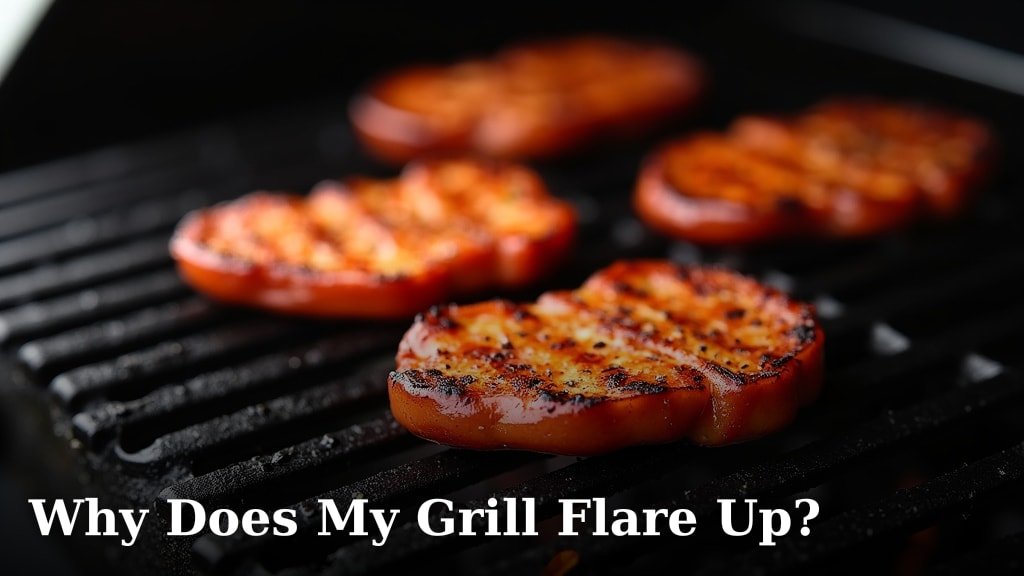
Your grill flares up because of excess fat and grease buildup, primarily. When drippings from your food hit hot coals or burners, they can ignite, causing those sudden bursts of flame. This often happens with fatty meats like burgers or sausages.
Those exciting flare-ups, while sometimes dramatic, actually mean you’re burning off flavor and charring your food. We found that managing grease and heat is key to a safer and tastier grilling experience. You want to cook your food, not ignite it!
TL;DR:
- Grease dripping onto hot surfaces causes flare-ups.
- High heat can make flare-ups worse.
- Flaming food loses flavor and gets charred.
- Clean grills have fewer flare-ups.
- Proper grilling techniques prevent excess flames.
Ready to get your grill under control? Let’s walk through why these fiery surprises happen and how you can prevent them for perfect barbecue every time.
The Core Reasons Your Grill Explodes in Flames
Understanding why your grill flares up is the first step to preventing it. It’s usually a combination of factors related to what you’re cooking and how you’re cooking it. We found that most flare-ups boil down to grease and heat.
Grease: The Primary Fuel for Grill Flare-Ups
Think of grease as the gasoline for your grill’s fiery theatrics. When fat drips from your food, it ignites on hot surfaces. This is the most common culprit behind those sudden bursts of flame.
Fatty Foods and Drippings
Are you grilling burgers, sausages, or heavily marbled steaks? These foods are delicious but also prone to releasing a lot of fat. As this fat renders, it turns into liquid and drips down onto the heat source below. It’s like pouring fuel directly onto a fire.
Even lean meats can contribute if they’re cooked with marinades that contain oil. Any liquid fat reaching hot coals or burners can cause ignition. It’s just simple chemistry happening right on your grill.
Grease Buildup on Grill Components
It’s not just fresh drippings. Old, accumulated grease on your grill grates, heat deflectors, or lava rocks can also ignite. This older grease is often baked on and highly combustible. Many grill masters will tell you that a dirty grill is a fiery grill.
This hidden grease acts like a secondary fuel source. Even if your current cook isn’t very fatty, old residue can still cause problems. We’ve seen many instances where a thorough cleaning immediately reduced flare-ups.
Heat: The Ignition Source
Grease needs heat to ignite. Without enough heat, those drippings would just smoke or sizzle. Your grill’s temperature plays a crucial role in how easily and intensely flare-ups occur.
Excessively High Grill Temperatures
When your grill is set to maximum heat, everything gets hotter, faster. This makes it much easier for dripping fats to reach their ignition point. Think of it like trying to light a match: it needs friction and heat to ignite. Your grill works similarly.
Too much heat can also cook the outside of your food too quickly, forcing fat out faster. This creates a cycle where more fat drips, causing more flames, leading to more charring and less even cooking. It’s a lose-lose situation for your delicious meal. Learning how to properly cook on a gas grill can help you avoid common issues like flare-ups and uneven cooking.
Uneven Heat Distribution
Sometimes, certain areas of your grill might be hotter than others. This can happen with older burners or if you have a charcoal grill where coals are piled unevenly. A hot spot means a higher chance of fat igniting there. You might notice flare-ups always happening in the same corner.
This unevenness can be tricky. You might be trying to cook at a moderate temperature overall, but a super-hot spot creates the perfect conditions for a blaze. It’s like having a rogue hotspot ready to catch anything that falls its way.
Airflow: Fueling the Fire
Fire needs oxygen to burn. Your grill is designed to have airflow, but sometimes too much, or improperly directed airflow, can make flare-ups worse. It’s all about managing the elements.
Opening the Lid Too Often
It’s tempting to peek, we know! But every time you lift that grill lid, you’re introducing a rush of fresh oxygen to the flames. This fresh air can instantly intensify any small flare-ups into larger, more dramatic ones.
It’s similar to stoking a campfire. More air means a stronger, hotter flame. So, try to resist the urge to constantly check on your food. Give it time to cook, and lift the lid only when necessary.
Windy Conditions
Grilling on a breezy day can feel great, but it can also be a challenge for flare-ups. Wind acts like a natural bellows, pushing oxygen across your heat source and intensifying flames. This can make even a well-maintained grill prone to unexpected bursts.
We found that many grillers underestimate the impact of wind. It can turn a small, manageable flame into a major issue very quickly. Consider positioning your grill to minimize direct wind exposure if possible.
What Happens During a Flare-Up?
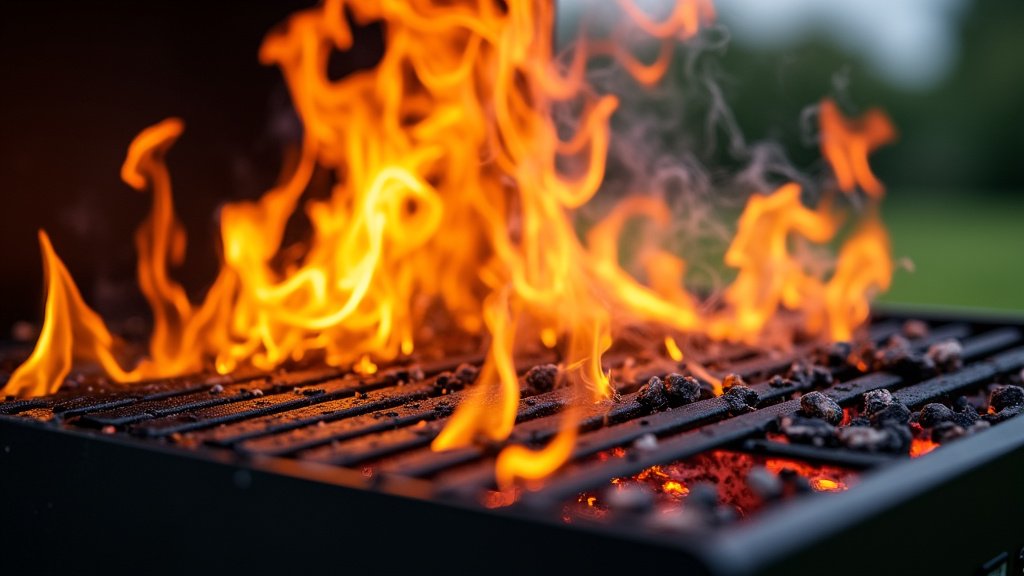
When fat drips onto a hot surface, it vaporizes and ignites. This ignition creates a burst of flame. This flame then travels upwards, licking at your food. What does this mean for your delicious dinner?
- Your food gets charred on the outside very quickly.
- The extreme heat can create an unpleasant, burnt taste.
- It can cook your food unevenly – burnt outside, raw inside.
- You actually burn off flavor, not add it.
- It can pose a safety risk, especially with large flames.
The goal is to cook with radiant heat, not direct flame. Direct flame cooking often results in a less enjoyable meal. You want that perfect sear, not an accidental bonfire.
How Different Grill Types Contribute to Flare-Ups
While the basic science is the same, different grill types can have unique characteristics that influence flare-ups. Knowing your grill helps you manage it better.
Charcoal Grills
Charcoal grills are notorious for flare-ups. Why? Because the coals are often directly exposed. When fat drips, it hits those glowing coals and ignites almost immediately. There’s less of a barrier.
The intensity of charcoal heat can also be harder to control precisely. We’ve found that proper coal arrangement (two-zone cooking) is vital to manage flare-ups on charcoal grills.
Gas Grills
Gas grills use metal heat deflectors (flavorizer bars or briquettes) over the burners. These are designed to vaporize drippings, creating smoke and flavor. However, if these deflectors become saturated with old grease or if too much fat drips too quickly, they can ignite.
A major cause of gas grill flare-ups is dirty deflectors. They get caked with old, dried-up grease that’s just waiting for the next hot drip to ignite. Keeping these clean is a game-changer.
Pellet Grills and Electric Grills
Pellet grills and electric grills are generally less prone to severe flare-ups. Pellet grills use indirect heat and have drip pans that catch most of the fat before it hits the heat source. Electric grills often have heating elements that are less intense and also feature drip trays.
While not entirely immune, you’ll find far fewer dramatic flames with these types of grills. They offer a more controlled cooking environment, which helps in preventing direct fat ignition. (USDA).
Checklist: Is Your Grill Prone to Flare-Ups?
A quick check can tell you if your grill is set up for trouble. Go through this list before your next cookout. It’s like a pre-flight check for your BBQ.
- Is there visible grease buildup on grates or heat deflectors?
- Are you cooking very fatty cuts of meat at high temperatures?
- Is your grill positioned in a very windy spot?
- Are you opening the grill lid every few minutes?
- Have you cleaned your grill thoroughly recently (last 1-2 uses)?
If you answered yes to more than a couple of these, you’re likely creating prime conditions for flare-ups. Don’t worry, we’ll cover how to fix these issues next.
Comparing Grill Types and Flare-Up Risk
Here’s a quick overview of how different grill types typically stack up when it comes to flare-up potential. This isn’t to say one is better, just different in how they handle grease and heat.
| Grill Type | Common Flare-Up Triggers | Typical Risk Level |
|---|---|---|
| Charcoal Grill | Direct fat drip on hot coals, uneven coal distribution. | High |
| Gas Grill | Grease buildup on heat deflectors, direct fat drip through grates. | Medium-High |
| Pellet Grill | Rare, usually due to extreme grease buildup or faulty drip pan. | Low |
| Electric Grill | Infrequent, usually due to extreme grease buildup near element. | Low |
As you can see, the more direct the exposure of fat to the heat source, the higher the risk. Each type requires a slightly different approach to prevention, which we’ll explore in detail.
Conclusion
You’ve seen that understanding why your grill flares up is all about managing grease and heat. It’s not just about safety; it’s about getting the best flavor from your food. We found that simple steps, like regular cleaning and proper heat control, make a huge difference.
By preventing those fiery surprises, you ensure even cooking and delicious results every time. Take these tips to heart, and you’ll be on your way to perfectly grilled meals. Get ready to enjoy better barbecue!
Frequently Asked Questions
Why do lighter fluid or charcoal starters cause flare-ups?
Lighter fluid and charcoal starters are highly flammable. If not fully burned off before you start cooking, their residue can ignite when fat drips onto the coals. This creates much larger and more intense flare-ups than grease alone.
Can cooking spray cause grill flare-ups?
Yes, cooking sprays can contribute to flare-ups, especially if applied directly over hot flames or coals. Many sprays are oil-based and will ignite. It’s better to oil your food directly or apply spray to cool grates before heating.
Does opening the grill lid put out a flare-up?
Surprisingly, no. While it might seem intuitive, opening the lid introduces more oxygen, which actually feeds the flames and can make a flare-up worse. It’s better to keep the lid closed and wait for the flare-up to subside naturally, or move your food away.
Is it normal for a little bit of smoke to come from my grill?
Yes, a certain amount of smoke is normal and even desirable, especially when cooking on a gas grill where drippings vaporize on heat deflectors. This smoke adds flavor. Excessive, thick, dark smoke, however, can indicate a flare-up or too much grease burning.
How can I quickly put out a sudden, large flare-up?
The safest way is to close the grill lid to cut off oxygen. You can also temporarily move the affected food to a cooler zone on the grill. Never use water on a grease fire, as it can spread the flames. Keep a fire extinguisher or baking soda nearby for emergencies.
