
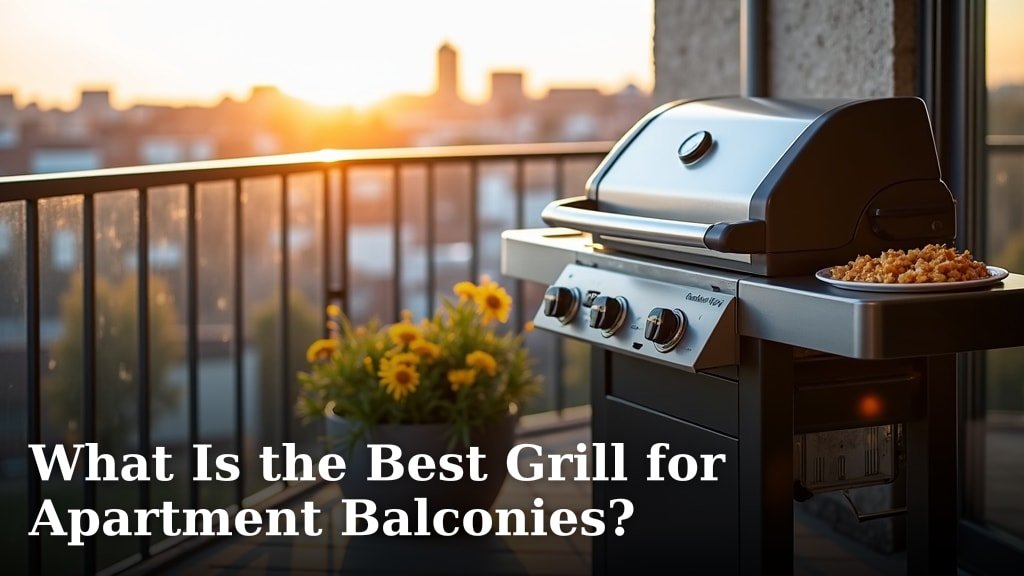
For apartment balconies, the best grill is almost always an electric grill or a small, portable propane grill. These options balance convenience, safety, and balcony grilling rules. You want something that fits your space and your building’s regulations.
You can still enjoy delicious grilled food without a backyard. Many apartment dwellers find that compact grills offer plenty of cooking power. We looked at different types to find what works best for your outdoor space.
- Electric grills are often safest and most permitted.
- Small propane grills offer classic flavor but check rules.
- Charcoal grills are usually banned on balconies.
- Consider size, power, and ease of cleaning.
Let’s walk through everything you need to know to pick the perfect grill for your apartment balcony. We’ll help you make an informed choice.
Choosing the Right Grill for Your Balcony Space
When you’re looking for a grill for your apartment balcony, the best options generally fall into two categories: electric and small propane grills. These types offer the most flexibility with apartment rules and safety considerations.
You want a grill that lets you enjoy that delicious grilled flavor without causing issues with your landlord or neighbors. Let’s break down the main types you’ll encounter and why they might, or might not, be right for you.
Understanding Balcony Grilling Regulations
Before you even think about buying a grill, the first step is to check your building’s rules. This is critical. Many apartment complexes, condos, and HOAs have very strict guidelines, or even outright bans, on grilling on balconies. Fire safety is a major concern for multi-unit dwellings.
We found that most regulations focus on the type of fuel. Open flames and highly flammable materials are often restricted. Your lease agreement or building management can provide specific details.
Typical Restrictions You Might Face
You’ll often see rules about charcoal and propane. These fuels carry a higher risk of fire, especially in close quarters. Here’s what we typically found:
- Charcoal Grills: Almost universally banned on apartment balconies. The embers and smoke are a significant fire hazard and nuisance.
- Propane Grills: Often restricted or only allowed if they are very small and meet specific BTU limits. Some buildings might ban them entirely.
- Electric Grills: These are usually the most permissible option. Since they don’t use an open flame or combustible fuel, they are seen as safer.
- Natural Gas Grills: Rare for balconies, as they require a dedicated gas line connection, which most apartments don’t have.
Don’t just assume. A quick call to your landlord or property manager can save you time, money, and potential eviction. You don’t want to buy a grill only to find out you can’t use it.
Electric Grills: Your Safest Bet
Electric grills are often your best bet for balcony grilling. They plug into a standard outlet, have no open flames, and don’t require charcoal or propane tanks. This makes them much safer for apartment living and generally more compliant with building regulations.
You might be wondering if they truly give you that grilled taste. While it’s not exactly the same as charcoal, modern electric grills can get very hot. They can sear meats and vegetables beautifully, creating those desirable grill marks and flavors.
Advantages of Electric Grills
- Safety: No open flames, no combustible fuels. This is why building managers love them.
- Convenience: Just plug it in and turn it on. No need to buy charcoal or refill propane tanks.
- Cleanliness: Less mess than charcoal, and many parts are dishwasher safe.
- Compliance: Most likely to be allowed by your apartment building.
- Control: Precise temperature settings are common.
Considerations for Electric Grills
- Flavor Profile: Some purists argue the flavor isn’t quite the same as charcoal or propane.
- Power Outlet: You need an outdoor-rated electrical outlet on your balcony.
- Warm-up Time: Can sometimes take a bit longer to heat up compared to gas grills.
- Portability: While often compact, you’re tethered to an outlet.
We found that many apartment dwellers are pleasantly surprised by the performance of electric grills. They offer a great solution for enjoying grilled food without the hassle or restrictions of other fuel types.
Small Propane Grills: Classic Flavor, Conditional Use
If you crave that authentic, smoky barbecue flavor that only gas can provide, a small, portable propane grill might be an option. However, as we discussed, you must double-check your building’s rules first. If allowed, these can be a fantastic choice.
These grills typically use small, 1-lb propane canisters, which are safer than larger tanks. Some models can even adapt to a larger 20-lb tank, but you’ll almost certainly find larger tanks prohibited on balconies due to fire codes (National Fire Protection Association).
Advantages of Small Propane Grills
- Authentic Flavor: Many feel propane offers a more traditional grilling experience than electric.
- Quick Heat: Propane grills heat up fast, getting you cooking sooner.
- Portability: Great for picnics or camping trips too, not just your balcony.
- Temperature Control: Easy to adjust the flame for precise cooking.
Considerations for Small Propane Grills
- Safety Concerns: Even small propane tanks are considered a fire risk by many building codes.
- Fuel Management: You’ll need to buy and store propane canisters, and they can run out mid-cook.
- Storage: Propane tanks should ideally be stored outdoors, which might be tricky on a small balcony.
- Building Rules: The biggest hurdle. You might be out of luck, even if you prefer this option.
If your building permits them, a compact propane grill can offer a great balance of performance and relatively small footprint. Just remember to always follow safety guidelines and local ordinances.
Why Charcoal Grills Are Usually Off-Limits
We need to be clear here: charcoal grills are almost universally banned on apartment balconies. This isn’t just a suggestion; it’s a common fire safety regulation. The reasons are straightforward and serious.
Charcoal produces embers that can easily fly off and ignite nearby flammable materials, like curtains, patio furniture, or even neighboring balconies. The smoke can also be a significant nuisance to your neighbors. Open flames and glowing coals are simply too risky in a shared living environment.
Reasons for Charcoal Bans
- Fire Hazard: Flying embers are a primary concern.
- Smoke Pollution: Heavy smoke can bother neighbors and fill other units.
- Carbon Monoxide: Grilling in enclosed or semi-enclosed spaces increases CO risk.
- Ash Disposal: Hot ash needs careful disposal, which is challenging in an apartment setting.
While we understand the appeal of charcoal’s unique smoky flavor, it’s generally not a viable option for apartment balconies. Prioritize safety and compliance to keep your home and neighbors safe.
Key Features to Look For in a Balcony Grill
Once you’ve decided on the fuel type (likely electric or small propane), you’ll want to consider several features. These will make your grilling experience better and more suited to apartment living.
You’re looking for a grill that performs well, fits your space, and is easy to maintain. Think about how often you’ll use it and how much food you typically prepare.
Size and Footprint
Balconies vary greatly in size. Measure your space carefully. You want a grill that leaves enough room for movement and perhaps a chair or two. Compact and portable models are often ideal.
- Look for tabletop designs or models with folding legs.
- Ensure there’s enough clearance from walls and railings.
- Think about storage when not in use. Can you easily tuck it away?
Cooking Power and Even Heating
Just because a grill is small doesn’t mean it should lack power. For electric grills, check the wattage. Higher wattage usually means faster heating and hotter temperatures. For propane, consider the BTU output relative to the cooking area.
You want a grill that heats evenly across the cooking surface. This prevents some food from burning while other parts are still raw. Research reviews for consistent heat distribution.
Ease of Cleaning
No one likes scrubbing a grill. Look for features that make cleanup a breeze:
- Removable cooking grates that are dishwasher safe.
- Grease trays or drip pans that are easy to access and empty.
- Non-stick surfaces.
A clean grill is a happy grill, and a clean balcony is a happy balcony. This makes a big difference in how often you’ll actually use your grill.
Durability and Build Quality
Your grill will be exposed to the elements. Look for materials that can withstand sun, wind, and rain. Stainless steel or durable coated surfaces are good choices.
A sturdy build means less wobbling and a longer lifespan. You want a grill that feels solid and well-made.
Balcony Grill Selection Checklist
To help you make your final decision, here’s a quick checklist of things to consider. You want to be confident in your choice!
- Is it allowed by your building’s rules? (Most important!)
- Does it fit comfortably on your balcony, leaving room for safety and movement?
- Does it offer enough cooking surface for your typical grilling needs?
- Is it easy to clean and maintain?
- Does it provide the flavor and cooking power you desire?
- Is it within your budget and offer good value?
| Feature | Electric Grill | Small Propane Grill |
|---|---|---|
| Building Compliance | Highest (often permitted) | Moderate (often restricted) |
| Safety | Very High (no open flame) | Moderate (requires fuel storage) |
| Flavor | Good (searing, grill marks) | Excellent (traditional char/smoke) |
| Setup/Cleanup | Easy (plug in, often dishwasher-safe parts) | Easy (quick heat, can have drip pans) |
| Fuel Source | Electricity (requires outlet) | 1-lb propane canisters (requires purchase/storage) |
| Portability | Good (compact, but tethered) | Excellent (can use anywhere with fuel) |

Conclusion
Choosing the right grill for your apartment balcony comes down to two main things: your building’s rules and your personal grilling preferences. Electric grills are almost always your safest and most compliant option, offering convenience and decent flavor. If regulations allow, a small propane grill can deliver that classic taste you might be craving.
Always prioritize safety and compliance. Measure your space, consider ease of cleaning, and check for good heat distribution. With careful consideration, you can confidently select a grill that brings delicious outdoor cooking right to your balcony.
Frequently Asked Questions
Can I use a portable grill on my apartment balcony?
You can often use a portable grill, but it depends on the fuel type. Electric portable grills are usually permitted. Small propane portable grills might be allowed if they use 1-lb canisters, but always check your building’s specific rules first.
What size grill is best for a small apartment balcony?
For a small apartment balcony, look for compact, tabletop, or portable grills. Measure your balcony space to ensure you have enough room for the grill plus safe clearance from walls and railings. Many electric and small propane grills are designed with a minimal footprint.
Where should I store propane canisters for a balcony grill?
Propane canisters should always be stored outdoors in a well-ventilated area, away from direct sunlight or heat sources. For apartment balconies, this usually means storing them on the balcony itself, but confirm if your building has specific rules about storing fuel tanks.
Do electric grills really make food taste good?
Yes, modern electric grills can produce surprisingly good results. While they won’t replicate the smoky flavor of charcoal, they get hot enough to sear meats, create appealing grill marks, and cook food evenly, giving you a satisfying grilled taste and texture.
Are there any non-grill alternatives for balcony cooking?
Absolutely! If grilling isn’t an option, consider a portable induction cooktop for outdoor cooking. You could also use an outdoor electric griddle, a small outdoor air fryer, or even an electric smoker if allowed, for different types of “outdoor” cooking experiences on your balcony.
