
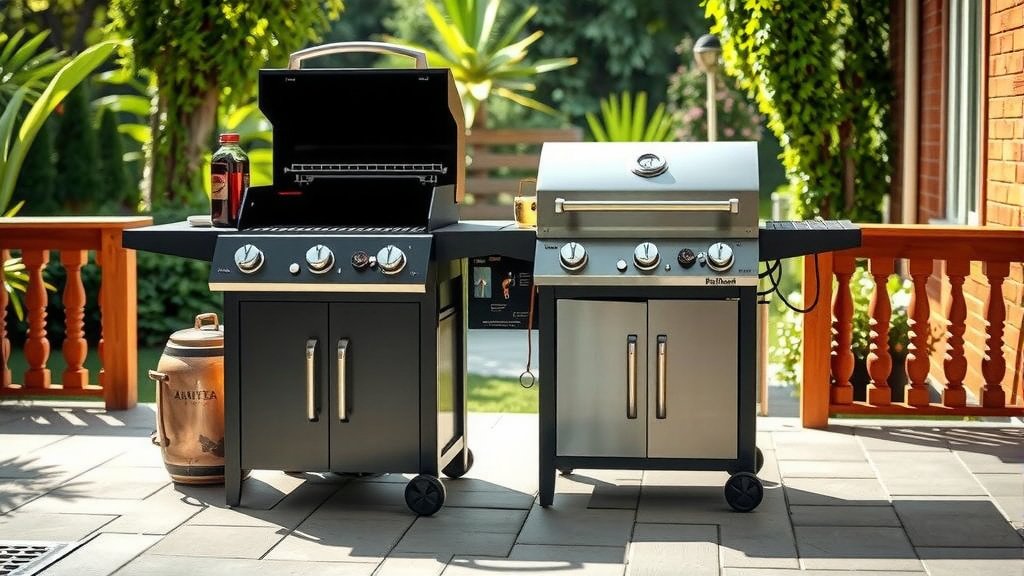
A typical BBQ grill can last anywhere from 3 to 15 years, depending heavily on its type, material quality, and how well you care for it.
For instance, a well-maintained, high-quality gas grill might serve you for a decade or more, while a basic charcoal grill could last 3-6 years.
Here’s a quick overview of what to expect from your BBQ grill:
- Most gas grills last 5-15 years with proper care.
- Charcoal grills usually serve for 3-6 years before needing replacement.
- Pellet grills typically have a lifespan of 5-10 years.
- Electric grills often perform well for 3-5 years.
- Regular maintenance and good storage can significantly extend any grill’s life.
How Long Should A BBQ Grill Last?
The lifespan of a BBQ grill truly varies, with most lasting between 3 and 15 years, depending on several important factors.
Understanding these factors helps you predict how long your own grilling companion will keep the flame alive.
What Impacts Your Grill’s Lifespan?
Many things play a role in how long your grill will last. It’s not just about cooking a great steak, is it?
Consider the type of grill you own, the materials it’s made from, and your maintenance habits. Even your local climate can play a part.
Grill Type: A Big Factor
Different types of grills have different expected lifespans. It’s like comparing a sturdy old truck to a compact car; both get you there, but one might last longer.
Let’s look at the general expectations for each kind of grill you might have in your backyard.
Gas Grills: How Long Do They Last?
Gas grills are often the workhorses of the backyard. Many people enjoy their convenience and consistent heat.
We found that a good quality gas grill, with regular cleaning and care, can last between 5 and 15 years (Consumer Reports).
High-End vs. Budget Gas Grills
The price tag often reflects the quality of materials. A more expensive gas grill typically uses stronger, more durable components.
This means its burners, grates, and housing will resist rust and wear much longer than a budget model.
Charcoal Grills: Expected Lifespan
For those who love the smoky flavor of charcoal, these grills are a classic. They are generally simpler in design than gas grills.
Research suggests that most charcoal grills have a lifespan of around 3 to 6 years, especially if used frequently and stored outdoors.
Simple Design, Shorter Life?
Because charcoal grills are less complex, they have fewer parts to break. However, they are also exposed to intense direct heat and ash, which can cause wear.
Ash and moisture together can accelerate corrosion if not cleaned regularly.
Pellet Grills: Durability Overview
Pellet grills offer a unique blend of convenience and smoky flavor. They use electricity to feed wood pellets into a fire pot.
We found that pellet grills typically last for 5 to 10 years, with the electronic components often being the first to show signs of age.
Electronics and Moving Parts
The digital controls, auger motor, and fan are crucial to a pellet grill’s operation. These components, while reliable, can eventually fail.
Proper cleaning and protection from the elements become even more important for these types of grills.
Electric Grills: Their Typical Life
Electric grills are often favored for balconies or indoor use where open flames are restricted. They offer a simple, plug-and-play experience.
Typically, an electric grill will provide good service for 3 to 5 years, often limited by the heating element or thermostat.
Convenience vs. Longevity
While extremely convenient, the heating elements in electric grills work hard. Over time, they can lose efficiency or stop working entirely.
Treating your electric grill gently and keeping it dry will help extend its life.
Material Matters: The Grill’s Foundation
The materials used in your grill are like its DNA. Stainless steel, cast iron, and porcelain-enameled steel all have different properties.
Higher quality, thicker gauge materials generally mean a longer, more rust-resistant life for your BBQ grill.
| Grill Type | Typical Lifespan | Key Factors Affecting Life |
|---|---|---|
| Gas Grill | 5-15 years | Burner quality, grate material, maintenance |
| Charcoal Grill | 3-6 years | Steel thickness, rust prevention, ash cleaning |
| Pellet Grill | 5-10 years | Electronic components, motor health, weather protection |
| Electric Grill | 3-5 years | Heating element durability, thermostat reliability |
Maintenance Is Key: Extend Your Grill’s Life
Do you clean your grill after every use? If not, you might be shortening its life significantly. Think of it like changing the oil in your car.
Regular cleaning and proper care are perhaps the most important factors within your control for longevity.
Simple Steps for a Longer Life
- Clean grates after each use to prevent food buildup.
- Empty grease traps regularly to avoid fire hazards and corrosion.
- Clean internal components like burner tubes (gas) or ash pots (charcoal).
- Check for loose parts and tighten them as needed.
- Perform a deep clean once or twice a grilling season.
Storage Solutions: Protecting Your Investment
Where you keep your grill matters. Leaving it exposed to rain, snow, and harsh sun can accelerate wear and tear.
A good grill cover and a protected storage spot can add years to its life.
Weatherproof Your Grill
Invest in a durable, waterproof grill cover. Store your grill in a shed, garage, or under a patio cover if possible.
Even small efforts to protect it from the elements will make a big difference over time.
Signs Your Grill Needs Replacing
Even with the best care, grills don’t last forever. How do you know when it’s time to say goodbye?
Look for certain red flags that indicate your grill is past its prime and might even be unsafe.
What to Look For:
You might notice significant rust, especially on structural components. If you see large rust holes, the grill’s integrity is compromised.
Burners that won’t light or provide uneven heat are also big warning signs for gas grills. Sometimes, replacing a part is fine, but extensive issues mean it’s time for a new one.
Making Your Grill Last Longer: A Checklist
Want to squeeze every possible year out of your grill? Here’s a quick checklist of things you can do:
- Keep it covered when not in use.
- Clean grates after every grilling session.
- Empty ash or grease traps regularly.
- Store propane tanks properly, not inside the grill.
- Inspect hoses and connections for gas grills annually.
- Perform seasonal deep cleaning.
When To Upgrade Your Grill?
Sometimes, replacing a grill isn’t just about it breaking down. Maybe your grilling needs have changed?
Perhaps you want more features, a larger cooking area, or a different type of fuel source. An upgrade can be an exciting step.
Understanding Warranty vs. Lifespan
Manufacturers’ warranties often cover specific parts for a certain period. This is different from the overall lifespan of the grill.
For example, a grill might have a 10-year warranty on the firebox but only 2 years on burners, even if the grill lasts 8 years.
The Cost of Longevity: Investing Wisely
A cheaper grill might seem like a good deal initially, but if it only lasts two or three years, is it really saving you money?
Investing in a higher-quality grill often means better materials and construction, leading to a much longer lifespan and better grilling experiences.
Rust and Corrosion: The Silent Killers
Rust is the biggest enemy of most outdoor grills. It weakens metal, causes parts to seize, and can even create dangerous holes.
This is why keeping your grill dry and clean is so important to fight off corrosion.
Conclusion
The lifespan of your BBQ grill is not just a matter of luck; it’s a blend of its inherent quality and the care you give it. While a high-end gas grill might serve you for well over a decade, a basic charcoal model will likely need replacing sooner.
By understanding what impacts its durability and committing to regular maintenance, you can significantly extend the life of your grilling companion. Enjoy those delicious meals for many seasons to come!
How often should I deep clean my grill?
Many experts say you should deep clean your grill at least once or twice per grilling season. This means taking apart components, scrubbing thoroughly, and checking for wear.
Can I replace parts to extend my grill’s life?
Absolutely! For many grills, especially gas models, you can often replace individual components like grates, burners, igniters, and flavorizer bars. This can add years to your grill’s life at a fraction of the cost of a new unit.
Does using a grill cover really make a difference?
Yes, a grill cover makes a huge difference. It protects your grill from rain, snow, sun, dust, and even bird droppings, all of which contribute to rust and wear. Think of it as a coat for your outdoor appliance.
Is it worth repairing an old, rusty grill?
It depends on the extent of the rust. If the main structure or firebox is heavily rusted, especially with holes, it might not be safe or cost-effective to repair. However, if it’s just surface rust or rusty grates, replacement parts can often save it.
What’s the best way to store a grill over winter?
For winter storage, clean your grill thoroughly, remove any propane tanks (store them upright and outdoors), cover it with a high-quality cover, and ideally move it into a shed or garage. This protection prevents harsh winter elements from causing damage.
