
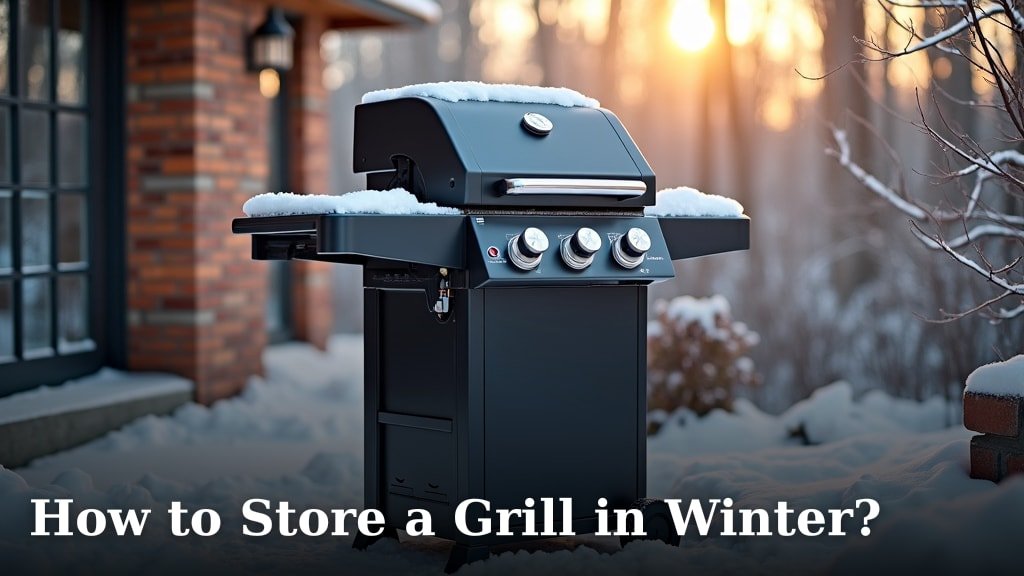
To properly store a grill in winter, you should first clean it thoroughly and disconnect the propane tank. Then, cover your grill with a weather-resistant cover and move it to a sheltered location like a garage or shed.
Leaving your grill exposed to winter weather can cause serious damage over time. This quick preparation helps prevent rust, corrosion, and other issues. You’ll be glad you took these steps when spring grilling season arrives.
- Clean your grill well before storing.
- Disconnect and store propane tanks safely.
- Use a durable, weather-resistant grill cover.
- Find a sheltered spot like a garage or shed.
- Proper storage protects your grill from damage.
Let’s walk through exactly how to prepare your grill for winter storage, step by step, ensuring it stays in top condition for years to come.
Preparing Your Grill for Winter Hibernation
Getting your grill ready for its long winter nap is simpler than you might think. We found that a little effort now saves a lot of headaches later. Think of it as a small investment in your grilling future.
A Deep Clean is Your Best Friend
Before putting your grill away, a thorough cleaning is non-negotiable. This isn’t just about aesthetics; it’s about preventing corrosion and pests. Leftover food particles can attract unwanted guests and speed up rust formation.
Grates, Burners, and Heat Tents
Start with the grates. Scrub them well to remove any charred food. Many grill manufacturers recommend using a stiff wire brush and warm soapy water. Next, tackle the burners and heat tents. Clear out any debris or grease buildup. This ensures even heat distribution next season.
The Grease Trap and Drip Pan
Don’t forget the grease trap and drip pan. These often collect a surprising amount of grease. Empty and clean them completely. A dirty grease trap can become a fire hazard, even in storage.
You want your grill to be as clean as possible before it goes into storage. This prevents mold, mildew, and unpleasant odors from developing. Imagine opening your grill next spring to a clean, fresh cooking surface!
Safely Storing Your Propane Tank
Propane tanks require special care during storage. You can’t just leave them attached to the grill, especially if you’re moving the grill indoors. Safety first, always.
Disconnect and Cap
First, turn off the valve on the tank. Then, carefully disconnect it from your grill. We found that most tanks come with a protective cap or plug. If yours doesn’t, consider buying one. This prevents dirt and debris from entering the valve.
Finding the Right Spot for Your Tank
Propane tanks should always be stored upright and outdoors, in a well-ventilated area. Never store them in your garage, shed, or basement. This is a critical safety rule. The National Fire Protection Association (NFPA) advises against storing propane cylinders indoors. Choose a spot away from direct sunlight and heat sources.
Protecting Your Grill from the Elements
Once your grill is clean and the propane tank is safely stored, it’s time to shield it from winter’s harsh realities. A good cover is essential, but it’s just one piece of the puzzle.
Choosing the Right Grill Cover
Invest in a high-quality, weather-resistant grill cover. Look for materials that are waterproof and UV-resistant. A cover that fits snugly is ideal, but make sure it allows for some airflow to prevent moisture buildup. A cover acts like a winter coat for your grill, protecting it from snow, rain, and ice.
Here’s a quick comparison of cover materials:
| Material Type | Pros | Cons |
|---|---|---|
| Polyester | Durable, good weather resistance, common. | Can be stiff in cold, might fade over time. |
| Vinyl | Excellent waterproof qualities, easy to clean. | Can crack in extreme cold, less breathable. |
| Heavy-duty Canvas | Very breathable, natural look, strong. | Less waterproof, may need re-treatment. |
Finding a Sheltered Location
Even with a great cover, moving your grill to a sheltered location is best. A garage, shed, or even a covered patio works wonders. This provides an extra layer of protection against freezing temperatures and strong winds. Think of it as giving your grill a cozy place to sleep for the winter.
Addressing Different Grill Types
While the general steps apply to most grills, there are a few nuances depending on what kind of grill you own. Each type has its own little quirks.
Gas Grills
For gas grills, ensure all gas lines are disconnected and capped if possible. If your grill has side burners, make sure they are also clean and dry. Check for any worn hoses or connections; now is a good time to note them for spring repairs.
Charcoal Grills
With charcoal grills, empty out all ash from the ash catcher. Leftover ash can absorb moisture and become corrosive. Clean the charcoal grate and the interior of the kettle. Make sure everything is completely dry before covering.
Electric Grills
Electric grills are often easier. Unplug and coil the power cord neatly. Clean all cooking surfaces. For indoor electric grills, simple storage in a pantry or cabinet is usually enough. Outdoor electric grills benefit from the same covering and sheltered storage as gas or charcoal models.
A Quick Pre-Storage Checklist
Before you tuck your grill away, run through this quick checklist. It helps ensure you haven’t missed anything important. You want peace of mind, right?
- Grill grates are clean and dry.
- Burners and heat tents are clear of debris.
- Grease trap and drip pan are empty and clean.
- Propane tank is disconnected and stored outdoors.
- Grill body is wiped down and dry.
- All doors and lids are securely closed.
- Grill is covered with a weather-resistant cover.
- Grill is moved to a sheltered, dry location.
A Little Care Now, A Lot of Joy Later
Taking these steps might seem like a bit of work, but it’s genuinely worth it. You’re not just storing a grill; you’re preserving an investment and ensuring countless future delicious meals. We’ve seen firsthand how proper storage extends the life of a grill by many years. When spring arrives, you’ll be ready to fire it up without any fuss. No rust, no unwelcome surprises, just pure grilling enjoyment.
Conclusion
You’ve put time and money into your grill. Taking these simple steps to store it properly for winter protects that investment. A thorough cleaning, safe propane tank storage, and a good cover make all the difference. We’ve seen how this careful preparation saves you hassle and expense come springtime.
Don’t let winter weather shorten your grill’s lifespan. By following these guidelines, you ensure your grill is ready for delicious meals year after year. Take action now to protect your grill and look forward to worry-free spring cookouts.
Frequently Asked Questions
Can I store my propane grill outside all winter if it’s covered?
While a good cover offers protection, it’s always best to move your grill to a sheltered location if possible. A garage, shed, or covered patio provides an extra layer of defense against harsh winter conditions and extends your grill’s life.
Should I remove the batteries from my grill’s igniter before storing it?
Yes, it’s a good practice to remove any batteries from your grill’s igniter or other electronic components before winter storage. This prevents corrosion and ensures the batteries don’t drain or leak during the colder months.
How often should I clean my grill cover during winter storage?
If your grill is stored outdoors, check its cover periodically. Brush off heavy snow or ice, and wipe down any visible dirt or mold as needed. Keeping the cover clean helps maintain its protective qualities.
What if I don’t have a garage or shed for storage?
If indoor storage isn’t an option, find the most sheltered spot available on your patio or deck. Ensure your grill is covered with a high-quality, weather-resistant cover, and consider placing it against a wall to block some wind and elements.
Is it okay to leave briquettes in my charcoal grill over winter?
No, you should empty all charcoal briquettes and ash from your charcoal grill before storing it for winter. Leftover ash can absorb moisture, leading to rust and corrosion inside the grill’s basin.
