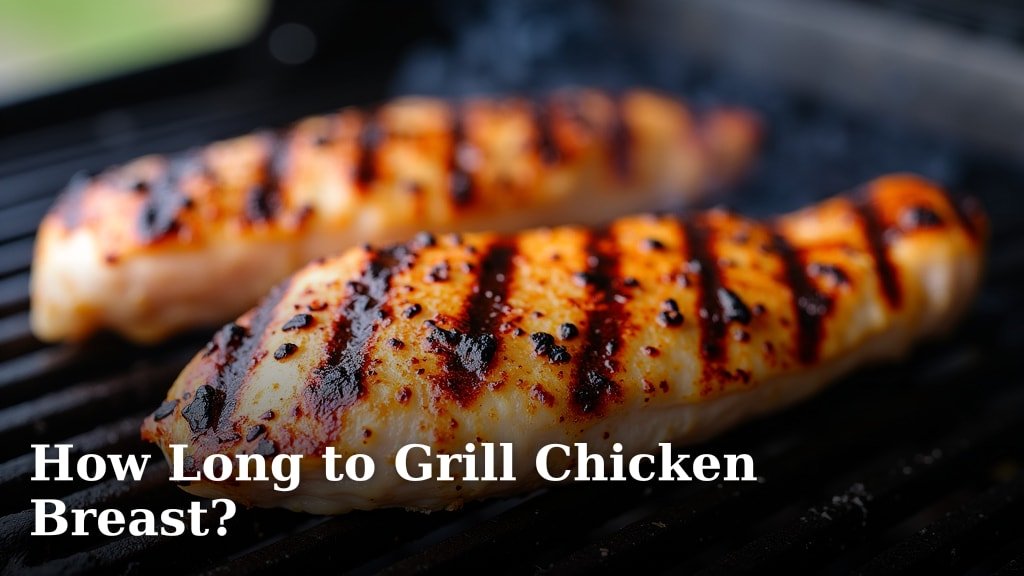
To perfectly grill chicken breast, aim for 6-8 minutes per side over medium-high heat. You’re looking for an internal temperature of 165°F (74°C). This timing ensures your chicken is both safe and juicy.
Getting that perfect cook can be tricky, right? You want tender, flavorful chicken, not something dry or undercooked. We found that thickness and grill temperature really make a difference for delicious results.
- Grill chicken 6-8 minutes per side.
- Check for 165°F (74°C) internal temperature.
- Adjust time for chicken thickness.
- Use medium-high heat for best results.
So, how do you achieve that ideal grilled chicken every time? Let’s walk through the exact steps to get it right.
Mastering Grilled Chicken Breast Timing
You want perfectly cooked chicken breast every time. The secret really comes down to understanding a few key factors. We’ve done the research to help you get it just right.
Understanding the “Why” Behind the Time
Why 6-8 minutes per side? It’s all about physics and food safety. Your goal is to cook the chicken through without drying it out. This timing, combined with the right temperature, helps achieve that balance.
The Role of Heat: Medium-High is Key
Grilling chicken breast on medium-high heat (around 375-400°F or 190-200°C) is ideal. Too low, and your chicken might dry out before it cooks through. Too high, and you risk a burnt exterior with a raw interior. We found this temperature range provides a beautiful sear and even cooking.
Think of it like a sprint, not a marathon. Chicken breasts are lean. They cook relatively quickly. A fast, hot cook locks in juices.
Thickness Matters More Than You Think
Chicken breasts aren’t all created equal. Some are plump and thick, others are thinner. This difference is perhaps the biggest variable in grilling time.
We’ve all been there: one piece is perfectly done, the other is still a bit pink. It’s frustrating! But there’s an easy fix.
Evening the Playing Field: Pounding Chicken Breast
To ensure even cooking, consider pounding your chicken breasts. Place them between two sheets of plastic wrap. Then, use a meat mallet or a heavy pan to pound them to a uniform thickness, about 3/4 to 1 inch thick.
This simple step drastically reduces cooking variation. Plus, thinner chicken cooks faster. This means less time on the grill and a better chance of staying juicy.
The Ultimate Decider: Internal Temperature
While timing is a great guide, the only way to truly know your chicken is safe to eat and perfectly cooked is by checking its internal temperature. The magic number is 165°F (74°C).
A good meat thermometer is your best friend here. It takes the guesswork out of grilling. You’ll never have to wonder if it’s “done enough.”
Where to Measure Temperature
Always insert the thermometer into the thickest part of the chicken breast. Make sure not to touch the bone, if present, as bones heat up faster than meat and can give a false reading. A consistent reading of 165°F means it’s ready.
Step-by-Step Guide to Perfectly Grilled Chicken Breast
Let’s put it all together. Follow these steps for consistently delicious grilled chicken.
- Prepare Your Grill: Preheat your gas grill to medium-high heat (375-400°F). For charcoal, arrange coals for direct heat. Clean your grill grates and lightly oil them to prevent sticking.
- Prep the Chicken: Pat chicken breasts dry with paper towels. Pound them to an even thickness if needed (3/4 to 1 inch). Season generously with your favorite spices.
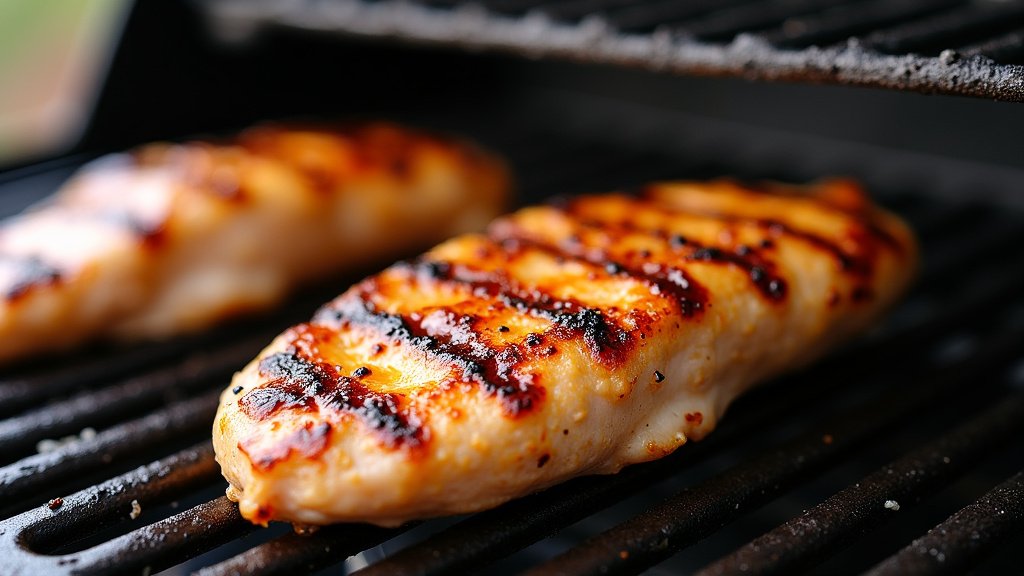
- Grill First Side: Place chicken on the hot grill. Close the lid. Grill for 6-8 minutes. Resist the urge to peek or move them too soon! This time allows a nice crust to form.
- Flip and Finish: Flip the chicken breasts. Close the lid again. Grill for another 6-8 minutes, or until the internal temperature reaches 165°F (74°C) in the thickest part.
- Rest the Chicken: Transfer the cooked chicken to a clean plate or cutting board. Cover loosely with foil and let it rest for 5-10 minutes. This step is crucial for juicy results.
Why resting? During cooking, muscle fibers contract and push juices to the center. Resting allows these juices to redistribute throughout the meat. Skip this, and all those delicious juices will run out onto your cutting board when you slice it. No one wants dry chicken!
Common Grilling Mistakes and How to Avoid Them
Even seasoned grillers make mistakes. But knowing what to watch out for can save your meal.
Mistake #1: Not Preheating the Grill
Grilling on a cold grill is like trying to bake in a cold oven. It won’t work! Always preheat thoroughly. A hot grill prevents sticking and gives you those beautiful grill marks. We’ve found this to be a primary reason for chicken sticking to the grates.
Mistake #2: Overcrowding the Grill
Resist the temptation to cram too many chicken breasts onto the grill at once. This lowers the grill’s temperature, steaming the chicken instead of grilling it. Cook in batches if necessary. Give each piece some breathing room.
Mistake #3: Flipping Too Often
One flip is usually all you need for chicken breast. Flipping too often interferes with the formation of that delicious crust. It also prolongs cooking time. Let the grill do its work!
Mistake #4: Not Resting the Meat
As we discussed, resting is vital. It’s tough to wait when you’re hungry, but your patience will be rewarded with juicier chicken. Trust us on this one.
Factors That Can Change Grilling Time
While 6-8 minutes per side is a solid guideline, there are always variables. Here’s what might make you adjust your timing slightly:
- Grill Type: Gas grills tend to hold heat more consistently than charcoal grills. Charcoal grills might have hotter spots.
- Ambient Temperature: Grilling on a cold, windy day can increase cooking time compared to a warm, calm day.
- Marinades: Some marinades, especially acidic ones, can tenderize chicken. This might slightly reduce cooking time, but it’s usually negligible.
- Bone-in vs. Boneless: Boneless chicken breasts cook faster than bone-in. This guide focuses on boneless breasts.
You’ll get a feel for your specific grill over time. Experience is the best teacher, but these tips will give you a great head start.
Quick Checklist for Perfect Grilled Chicken Breast
Before you fire up the grill, quickly run through this list:
- Grill preheated to medium-high?
- Chicken pounded to even thickness?
- Grates clean and oiled?
- Marinaded/seasoned and patted dry?
- Meat thermometer ready?
- Plate for resting ready?
With these steps, you’re well on your way to grilling chicken breasts that are tender, juicy, and full of flavor. Enjoy your meal!
Conclusion
Grilling juicy chicken breasts is totally achievable for you. Remember, the core is aiming for that 165°F internal temperature, guided by 6-8 minutes per side on medium-high heat. Pounding to an even thickness and allowing your chicken to rest are game-changers.
You now have the knowledge and tools to avoid dry, bland chicken forever. Grab your meat thermometer, prep your breasts, and confidently fire up that grill. Your next delicious, perfectly cooked meal is just minutes away!
Frequently Asked Questions
Should I marinate chicken breast before grilling?
Yes, marinating can add a lot of flavor and help keep the chicken moist. Even a quick 30-minute marinade can make a big difference. Avoid overly acidic marinades for long periods, as they can make the chicken tough.
What if my chicken breasts are bone-in? How does that change things?
Bone-in chicken breasts will take longer to cook than boneless ones. The bone insulates the meat, so expect to add an extra 5-10 minutes per side. Always rely on your thermometer to ensure it reaches 165°F near the bone without touching it.
Can I grill frozen chicken breast?
It’s generally not recommended to grill chicken breast from frozen. It cooks unevenly and significantly increases cooking time. For best results and food safety, always thaw your chicken completely before grilling.
How do I prevent my grilled chicken from sticking to the grates?
Make sure your grill grates are clean and well-oiled before placing the chicken on them. Also, don’t try to move the chicken too soon. Let it cook for a few minutes to develop a good sear; it will release from the grates naturally.
Is it okay if my chicken still looks a little pink after reaching 165°F?
Yes, sometimes chicken can still show a slight pink hue even after reaching 165°F, especially if it’s been brined or marinated. As long as your thermometer reads 165°F in the thickest part, it is safely cooked. Don’t overcook it trying to eliminate all pinkness.