
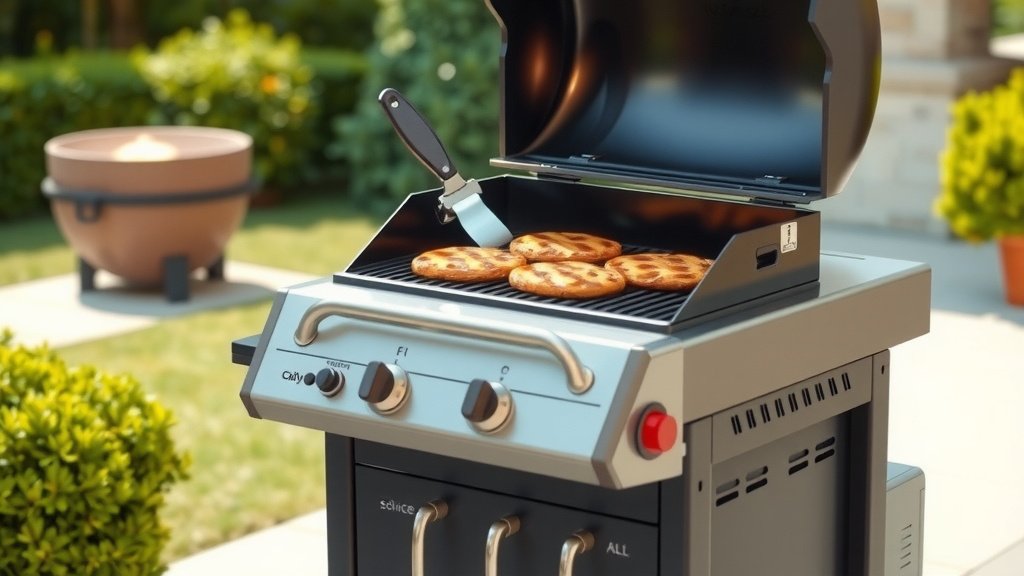
Medium temperature on a gas grill typically ranges from 300°F to 350°F (150°C to 175°C).
This sweet spot provides enough heat to cook most foods thoroughly without burning them, making it perfect for chicken, fish, and thicker vegetables.
- Medium temperature is your grill’s sweet spot for versatility, usually 300-350°F.
- It is ideal for cooking chicken, pork chops, fish, and many vegetables evenly.
- Achieve this temperature by turning burners to medium or a bit lower.
- Always use a meat thermometer for food safety and best results.
- Mastering medium heat means more delicious, perfectly cooked meals.
What Is Medium Temperature On A Gas Grill?
Medium temperature on a gas grill is the zone where your cooking surface reaches a consistent 300°F to 350°F.
It’s the most versatile heat setting, allowing food to cook through without charring the outside too quickly.
Why Medium Heat Matters So Much
Think of medium heat as your grill’s happy medium, striking a balance between raw food and burnt offerings.
It’s about achieving that perfect internal doneness with a pleasant exterior, not a crispy disaster.
Many grilling guides point to this range for its forgiving nature and consistent results (USDA).
How to Hit That Medium Grill Temperature
To get your grill to medium, start by turning on all burners to high for about 10-15 minutes.
This preheats the grates thoroughly. Then, adjust the burners down to a medium setting.
Close the lid and wait another 5-10 minutes for the temperature to stabilize inside the grill.
Your Grill’s Temperature Zones Explained
Understanding your grill’s heat zones helps you cook better. Gas grills often have different temperatures across the grates.
Some spots might be hotter, even when set to medium. This is why paying attention to your food is so important.
We found that using a good quality grill thermometer, not just the hood thermometer, gives you the most accurate reading.
What Happens If It’s Too Hot?
If your grill is too hot, food will char on the outside before the inside can cook properly.
You’ll end up with burned crusts and raw centers, which is nobody’s idea of a good meal.
This is especially true for thicker cuts of meat or delicate items like fish.
What Happens If It’s Too Low?
On the flip side, a grill that’s too cool will dry out your food and fail to create that appealing sear.
Meat might become tough, and vegetables could turn mushy without any caramelization.
It also takes much longer to cook, testing your patience and your appetite.
Foods That Love Medium Heat
Medium heat is like a warm hug for many grill favorites. It’s gentle enough for delicate items and strong enough for larger pieces.
You will find this temperature perfect for cooking a wide array of delicious meals.
Chicken and Poultry
Chicken pieces, whether breasts, thighs, or drums, cook beautifully at medium heat.
They get a nice golden-brown skin without drying out or burning the exterior.
Research suggests poultry needs to reach 165°F internally for food safety (CDC).
Pork Chops and Tenderloins
Pork chops and tenderloins benefit from medium heat, cooking evenly to a juicy finish.
They can easily dry out on higher heat. Medium helps them stay moist and flavorful.
Delicate Fish Fillets
Think salmon, cod, or tilapia. These fish cook quickly and can fall apart easily.
Medium heat ensures they cook through gently, giving you flaky, moist results.
Hearty Vegetables
Items like bell peppers, zucchini, onions, and asparagus soften and caramelize wonderfully at medium temperatures.
They get tender-crisp without turning to mush or burning around the edges.
The Importance of a Grill Thermometer
Your grill’s built-in thermometer can sometimes be off by as much as 50 degrees.
That’s why a separate, quality grill thermometer or an instant-read meat thermometer is a game-changer.
It provides accuracy, helping you maintain that ideal medium temperature and cook food safely.
Controlling Flare-Ups on Medium Heat
Even at medium temperatures, grease dripping can cause flare-ups. These can quickly burn your food.
Keep a spray bottle with water handy to douse small flames. Also, trim excess fat from meats before grilling.
Moving food to a cooler spot on the grill also helps manage unexpected bursts of flame.
Indirect vs. Direct Medium Heat
For direct medium heat, your food sits directly over the lit burners set to medium.
For indirect medium heat, you’d place food over unlit burners, with adjacent burners set to medium to circulate heat.
This technique is great for larger items or anything needing longer, slower cooking without direct exposure to the flame.
Preparing Your Grill for Medium Temp
Before you even think about setting the temperature, make sure your grill grates are clean.
Scrub off old food bits. This prevents sticking and ensures even heat transfer.
Also, check your gas tank to avoid running out mid-cook. Nobody wants that surprise.
Checking for Doneness at Medium Temps
Knowing when your food is ready is key. Here’s a simple checklist:
- Use a meat thermometer: Always check internal temperature for safety.
- Look for clear juices: For poultry and pork, juices should run clear, not pink.
- Check for firmness: Meats should feel firm to the touch, not squishy.
- Flake test for fish: Cooked fish will flake easily with a fork.
- Vegetable tenderness: Veggies should be tender-crisp, with a slight char.
A Quick Look at Common Grill Temperature Ranges
Here’s a simple guide to help you distinguish between different grill temperatures:
| Temperature Setting | Approximate Range (°F) | Best For |
|---|---|---|
| Low Heat | 225°F – 275°F | Smoking, slow cooking, delicate items |
| Medium Heat | 300°F – 350°F | Chicken, fish, pork chops, vegetables |
| Medium-High Heat | 375°F – 425°F | Steaks, burgers, thicker cuts of meat |
| High Heat | 450°F – 550°F | Searing, pizza, quick-cooking thin items |
Conclusion
Mastering medium temperature on your gas grill is a game-changer for consistently delicious meals. It opens up a world of possibilities, from perfectly cooked chicken to tender, flaky fish and vibrant vegetables.
Remember to preheat, use a reliable thermometer, and understand your grill’s quirks. With a little practice, you’ll be confidently grilling at medium heat like a seasoned pro, making every backyard cookout a success.
How long does it take for a gas grill to reach medium temperature?
Typically, a gas grill takes about 10-15 minutes to preheat on high, then another 5-10 minutes to stabilize at a medium temperature (300-350°F) after adjusting the burners. Factors like outside air temperature and grill size can affect this time.
Can I cook frozen food at medium temperature?
While you can cook some frozen foods at medium temperature, it’s generally better to thaw them first. Thawing ensures more even cooking and reduces the risk of the outside burning before the inside is safely cooked through. If cooking from frozen, plan for much longer cooking times.
Is medium heat the same on all gas grills?
The definition of medium heat (300-350°F) is generally consistent, but how you achieve it can vary between grills. Different brands and models might require different knob settings to reach the same internal temperature. Always rely on an accurate grill thermometer, not just the dial settings.
What are common mistakes when grilling at medium temperature?
A common mistake is not preheating enough, leading to food sticking and uneven cooking. Another error is relying solely on the grill’s lid thermometer, which can be inaccurate. Not using an instant-read meat thermometer for internal food temperature is also a frequent oversight, risking undercooked or overcooked results.
How do I clean my grill after cooking at medium heat?
After cooking, turn your grill to high for 5-10 minutes to burn off any food residue. Once cool, use a stiff bristle brush to scrape away charred bits from the grates. Keeping your grates clean prevents future sticking and helps maintain consistent temperatures for your next cookout.
