
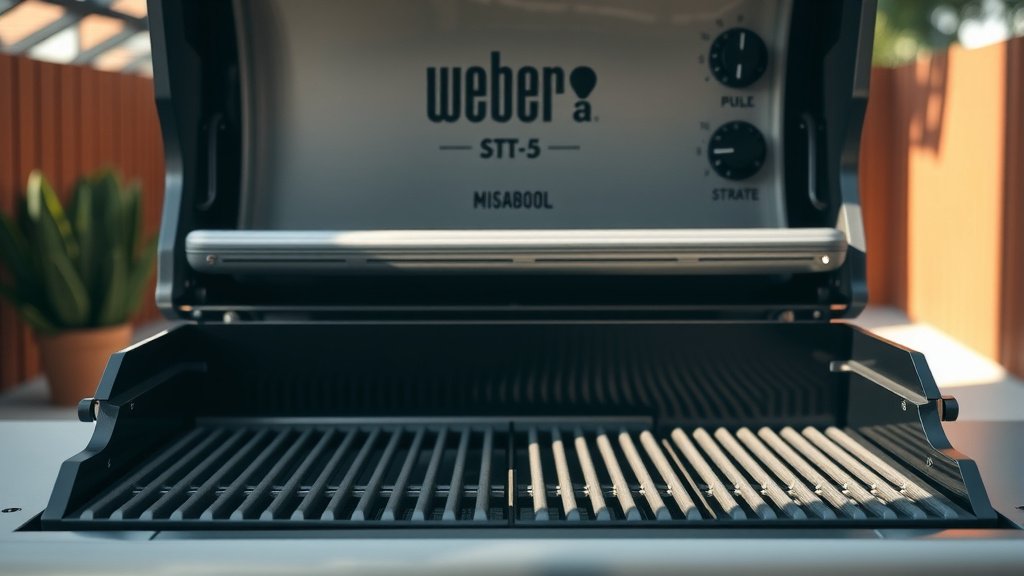
To work a Weber gas grill, you first connect the propane tank, then open the tank valve slowly. Next, open the grill lid, turn a burner knob to “Start” and press the igniter button to light the flame.
You can effectively operate a Weber gas grill by understanding its basic components, proper lighting procedure, and temperature control for various cooking styles.
- Connect your propane tank and check for leaks.
- Always open the grill lid before lighting any burners.
- Ignite one burner at a time using the “Start” position and igniter.
- Preheat your grill to the desired temperature for about 10-15 minutes.
- Clean the cooking grates after each use to maintain performance.
How To Work A Weber Gas Grill?
Working a Weber gas grill involves connecting your fuel, lighting the burners safely, controlling the heat for your food, and keeping it clean. It’s really simpler than you might think!
Getting Your Weber Grill Ready for Action
Before you even think about lighting your grill, let’s make sure everything is in place. You wouldn’t run a marathon without stretching, would you? Similarly, a little prep goes a long way for your Weber.
Checking Your Propane Tank
Is your propane tank full enough? Give it a quick shake; a lighter feel usually means it’s running low. Always have a spare tank on hand, we found, so your grilling doesn’t stop mid-meal.
Connecting the Gas Line Securely
Connect the gas hose from your grill to the propane tank. Turn the knob clockwise until it’s hand-tight. You don’t need a wrench here, just a firm grip.
The Crucial Leak Test
Safety first, always! Many experts say a quick leak test is non-negotiable before every grilling session. It helps prevent dangerous gas leaks.
- Mix dish soap and water into a foamy solution.
- Brush this solution over all hose connections.
- Open the propane tank valve slowly.
- Look for bubbles forming; if you see them, you have a leak.
- Tighten the connection or replace the hose if leaks persist.
If you see bubbles, turn off the tank immediately. Do not light the grill until the leak is fixed. This step is about keeping you and your loved ones safe.
Lighting Your Weber Gas Grill Safely
Now for the exciting part – getting that flame going! Remember, patience is key here, especially when dealing with gas.
Open the Grill Lid First!
This is not a suggestion; it’s a rule. Always open the grill lid before attempting to light any burners. This prevents gas buildup, which can be dangerous, we found.
Turn on the Propane Tank
Slowly turn the propane tank valve counter-clockwise all the way open. You’ll hear a slight hiss as gas enters the line.
Igniting the Burners
Choose one burner knob, usually the far left, and turn it to the “Start” or “High” position. Immediately press the igniter button a few times. You should hear a ‘whoosh’ and see a flame.
If it doesn’t light in a few seconds, turn off the gas, wait a minute, and try again. Don’t keep pressing the igniter endlessly.
Preheating Your Grill for Perfect Cooking
Think of preheating like warming up a skillet for cooking. It makes all the difference for even heat and searing.
Once your first burner is lit, turn on the other burners to your desired heat setting. Close the lid and let the grill preheat for 10 to 15 minutes. This gets your grates hot enough to really cook.
We found that different foods need different temperatures. For instance, searing steaks needs high heat, while slow cooking ribs works best on low. Knowing your target temperature is half the battle.
Mastering Temperature Control and Cooking Zones
Your Weber grill is a versatile cooking machine. Learning to control its heat lets you cook almost anything.
| Cooking Method | Temperature (Fahrenheit) | Burner Setup |
|---|---|---|
| Searing Steaks | 500-600°F (High) | All burners on high |
| Grilling Chicken/Fish | 350-450°F (Medium-High) | Most burners on medium |
| Indirect Roasting | 250-350°F (Medium-Low) | Outer burners on, center off |
| Smoking (with box) | 225-275°F (Low) | One burner on low, indirect |
Direct Heat vs. Indirect Heat
What’s the difference between direct and indirect heat, you ask? Direct heat is when food sits directly over a lit burner. This is for searing and quick-cooking items like thin burgers.
Indirect heat means cooking food over an unlit burner, with heat coming from adjacent lit burners. This is perfect for larger cuts, roasting, or delicate items that need slow, even cooking (Weber Grills Guide).
Post-Grilling Routine and Maintenance
Your cooking isn’t done until the grill is clean! A little care after each use keeps your Weber performing like new.
Cleaning the Grates While Hot
After removing your food, turn the burners to high for 5-10 minutes. This burns off any stuck-on food. Then, use a good grill brush to scrape the grates clean. It’s much easier when they’re hot!
Turning Off Your Grill Properly
First, turn off all burner control knobs. Next, turn off the valve on your propane tank. Always turn off the tank first to clear any remaining gas from the lines. This is a crucial safety step.
Essential Maintenance Checklist
Keeping your Weber in top shape means a bit of regular attention. These small tasks add up to big performance.
- Check for grease buildup in the catch pan regularly and empty it.
- Inspect burner tubes for blockages, especially after heavy use.
- Clean the exterior surfaces to prevent rust and maintain appearance.
- Store your grill with a cover to protect it from the elements.
- Ensure regulator and hose are in good condition; replace if cracked or worn.
Troubleshooting Common Weber Gas Grill Issues
Even the best grills can have a hiccup now and then. Don’t worry, many issues are simple fixes.
Burner Not Lighting?
We found that often, this is due to a low propane tank or a clogged igniter. Check your tank level, then gently clean around the igniter electrode with a soft brush.
Uneven Heat Distribution?
This could mean your burner tubes are partially clogged. Many experts suggest cleaning the small holes in the burner tubes with a wire brush or a paperclip. Buildup can block gas flow.
Low Flame When Tank Is Full?
Sometimes, the grill’s “bypass mode” gets activated. This safety feature limits gas flow if it senses a sudden surge. Turn off all burners and the tank, disconnect the regulator, wait a minute, then reconnect and slowly open the tank valve again.
Conclusion
Working a Weber gas grill is a straightforward and rewarding experience once you know the steps. From safe setup and lighting to mastering temperature control and essential cleanup, each part plays a role in perfect grilling. Follow these guidelines, and you’ll be cooking delicious meals with confidence, making every backyard gathering a hit. Happy grilling!
How often should I clean my Weber gas grill grates?
You should clean your grill grates after every use. A quick scrape with a grill brush while the grates are still hot makes this task much easier and helps prevent food from sticking next time.
What kind of cleaning solution can I use for the exterior of my Weber gas grill?
For the exterior, a mild dish soap and warm water solution works well. For stainless steel parts, a dedicated stainless steel cleaner can help maintain its shine. Always wipe with the grain of the steel.
Can I convert my Weber gas grill from propane to natural gas?
Some Weber gas grills are convertible, but it requires a specific natural gas conversion kit from Weber. We found it’s important to use the correct kit and follow installation instructions carefully, or have a professional do it.
Why is my Weber gas grill flame yellow instead of blue?
A yellow or orange flame usually indicates incomplete combustion. This can be caused by clogged burner ports, a faulty regulator, or too much air mixed with the gas. Cleaning your burner ports is a good first step.
How do I prevent flare-ups on my Weber gas grill?
To prevent flare-ups, trim excess fat from meats before grilling. Also, keep your grill clean, especially the flavorizer bars and grease management system, as built-up grease is a common cause of flare-ups.
