
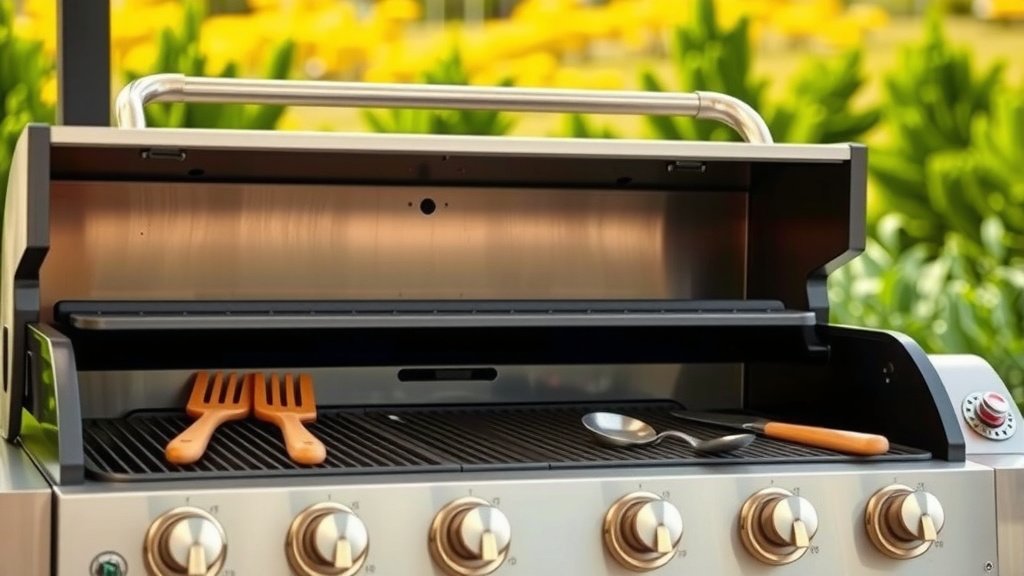
To work a gas grill, you first need to connect your propane tank securely, open its valve, then turn on one burner and ignite it using the built-in igniter button. Once that burner lights, you can turn on other burners to your desired heat settings.
Working a gas grill effectively involves mastering safety checks, proper setup, confident lighting, and precise temperature control for delicious results every time.
TL;DR:
- Always prioritize safety by checking for gas leaks before lighting your grill.
- Connect your propane tank snugly and open its valve fully.
- Ignite one burner at a time, ensuring it lights before adding more heat.
- Preheat your grill thoroughly for 10-15 minutes to reach optimal cooking temperatures.
- Clean your grill grates after each use to keep your food tasting great and prevent flare-ups.
How To Work A Gas Grill?
Working a gas grill involves a few simple steps, starting with safety and moving through setup, lighting, and cooking. You can achieve fantastic grilled meals with a little practice and confidence.
Safety First: Your Grilling Commandment
Before you even think about lighting those burners, safety is your top priority. Grilling should be a fun activity, not a risky one. Always take a moment to ensure everything is secure and safe.
Checking for Leaks
Before each use, especially if your grill has been stored, it’s smart to check for gas leaks. Many experts recommend a simple soap and water test (NFPA). Just mix a little dish soap with water to make suds. Apply this mixture to the gas hose and connections. If you see bubbles forming, you have a leak. Tighten connections or replace the hose if needed.
Setting Up Your Gas Grill Right
Once you know your grill is safe, getting it ready for action is the next step. Proper setup makes the whole grilling experience smoother for you. It really helps to prevent any grilling day headaches.
Connecting the Propane Tank
Is your propane tank connected correctly? First, make sure the tank valve is off. Then, align the regulator fitting with the tank valve and screw it on clockwise until it’s hand-tight. You don’t need a wrench; overtightening can damage the seal. After it’s connected, open the propane tank valve slowly, turning it counter-clockwise all the way open.
Lighting Your Gas Grill Confidently
Ready to get some heat? Lighting a gas grill is pretty straightforward, but doing it correctly is important. It’s like turning on your kitchen stove; a few steps, and you’re cooking. Don’t worry, you’ve got this.
- Open the grill lid before lighting any burner. This prevents gas buildup.
- Turn on one burner knob to the “High” setting.
- Press the igniter button and hold it for a few seconds.
- Look for a flame. If it doesn’t light after a few tries, turn the gas off, wait a few minutes, and try again.
- Once one burner is lit, you can turn on other burners to your desired heat.
Troubleshooting Lighting Issues
What if your grill doesn’t light? Don’t panic. Sometimes, the igniter might be wet, or the electrode could be dirty. Check your propane tank for sufficient gas; a low tank won’t ignite properly. We found that cleaning the igniter electrode often solves the problem. You might also try using a long lighter if the igniter fails.
Mastering Temperature Control
Now that your grill is lit, controlling the temperature is where the magic happens. Different foods need different heat levels. Think of your grill as an oven; precise control makes all the difference. You want to cook, not just burn. This is the key to delicious, evenly cooked food.
Understanding Burner Zones
Most gas grills have multiple burners, letting you create different heat zones. This is incredibly useful for cooking various items at once. For example, you might want high heat for searing and a lower temperature for gentle cooking. Learning your grill’s hotspots helps a lot. Many grilling experts say this zone control is a significant advantage of gas grills.
| Heat Level | Burner Setting | Typical Temperature | Best For |
|---|---|---|---|
| Low | One burner on low | 250-300°F | Slow cooking, warming food |
| Medium | Two burners on medium | 325-375°F | Chicken, vegetables, fish |
| High | All burners on high | 400-500°F+ | Searing steaks, quick burgers |
Preheating: A Must for Great Results
Don’t skip preheating! It’s like warming up your car before a drive. Preheating allows the grill grates to reach a consistent temperature. This helps prevent food from sticking and creates those beautiful sear marks. We found that 10-15 minutes of preheating on medium-high is usually enough.
Grilling Techniques to Try
With your grill hot and ready, it’s time to cook. Knowing a few basic techniques will open up a world of possibilities. You can easily adapt these methods to almost any recipe. Remember, practice makes perfect, so don’t be afraid to experiment a little. The grill is your culinary playground.
Direct vs. Indirect Heat
What’s the difference between direct and indirect heat? Direct heat is when food cooks right over an active burner. This is perfect for searing and quickly cooking thinner items. Indirect heat means cooking food away from the direct flame, using the circulated heat of the grill. Use indirect heat for larger cuts, roasting, or anything that needs to cook longer without burning. Many guidelines point to indirect heat for poultry to ensure even cooking (USDA).
Cleaning Your Grill After Each Use
A clean grill is a happy grill, and it’s also a safer one. Cleaning after each use takes only a few minutes. This prevents food residue buildup, which can cause flare-ups and affect the taste of your next meal. Plus, it extends the life of your grill. A little effort now saves you bigger problems later.
Deep Cleaning Routines
Beyond the quick post-cook scrape, your gas grill needs a deep clean a few times a season. This involves removing grates, burner covers, and even burners to clean out grease and debris. Research often connects regular deep cleaning with better grill performance and longevity. It also helps with even heat distribution.
Conclusion
Working a gas grill might seem like a lot at first, but with a focus on safety, proper setup, confident lighting, and smart temperature control, you’ll be grilling like a pro. Remember to always preheat and keep your grill clean. These simple steps ensure your grilling experiences are not just easy, but also consistently delicious. Enjoy every sizzle and every tasty bite from your gas grill!
Frequently Asked Questions About Gas Grilling
How often should I clean my gas grill?
You should scrape your grill grates after every use while they are still warm. A more thorough deep cleaning, involving removing grates and burner covers, is recommended every 3-4 months, or more often if you grill frequently.
Can I use charcoal in a gas grill?
No, you absolutely should not use charcoal in a gas grill. Gas grills are designed specifically for gas fuel, and introducing charcoal can damage the grill components and create a significant fire hazard due to improper ventilation and fuel type.
What’s the best way to preheat my grill?
The best way to preheat is to turn all main burners to medium-high heat, close the lid, and let it warm up for 10-15 minutes. This ensures the grates are hot enough to sear food and cook evenly, preventing sticking.
How do I know if my propane tank is empty?
A simple way to check is to pour warm water over the side of the tank. Feel down the side of the tank; the point where it gets cool indicates the liquid propane level. Alternatively, some tanks have a built-in gauge, or you can weigh the tank (a full 20lb tank weighs about 37-40 lbs, an empty one around 17 lbs).
Is it safe to grill in windy conditions?
Grilling in very windy conditions can be challenging and potentially unsafe. Strong winds can blow out flames, make temperature control difficult, and increase flare-ups. If grilling in moderate wind, position your grill to shield it, but avoid grilling under extremely gusty conditions.
