
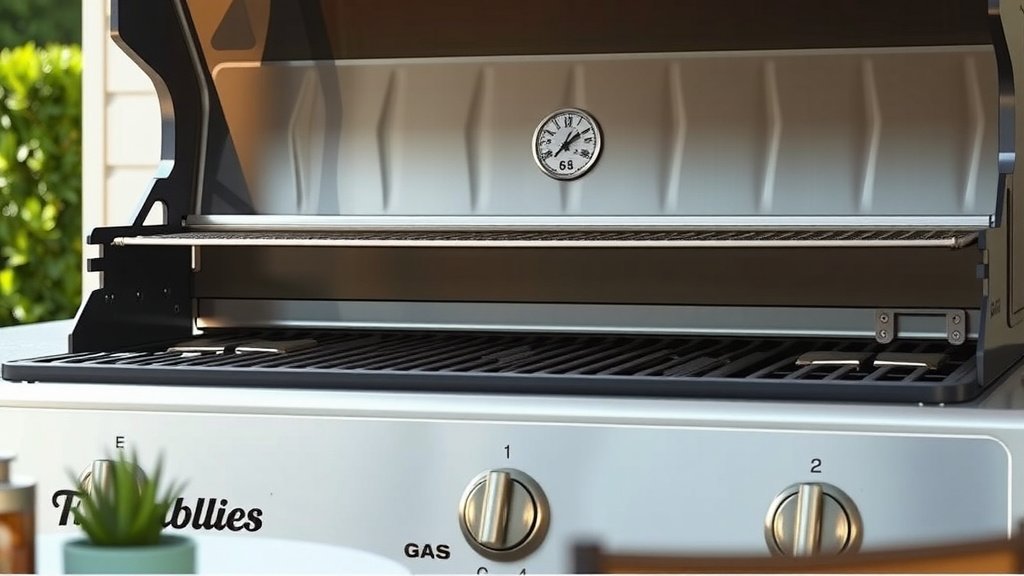
To use a gas grill, first ensure your propane tank is connected or natural gas line is open. Then, open the grill lid, turn on the gas, and ignite the burners one by one, typically starting with a main burner.
You’ll then close the lid and allow the grill to preheat to your desired temperature for about 10-15 minutes before placing your food on the grates.
TL;DR: Here’s a quick overview of how to get your gas grill going:
- Connect your gas source safely.
- Open the grill lid before igniting.
- Turn on the gas and light the burners.
- Preheat the grill with the lid closed.
- Clean grates before and after cooking.
- Use direct heat for searing, indirect for slow cooking.
How To Use A Gas Grill?
Learning how to use a gas grill makes outdoor cooking easy and fun. It’s a straightforward process once you know the basic steps and safety tips.
First Steps Before You Grill
Before you even think about lighting those burners, a few preparations are wise. Think of it like packing for a trip; a little planning prevents big headaches. We found that a good setup makes all the difference for a peaceful grilling session (Grilling Association Guidelines).
Your Essential Grill Checklist
Getting everything ready first saves time and stress. Do you have everything you need right at your fingertips? Here’s a quick list:
- Check propane tank levels (if applicable).
- Ensure grill grates are clean.
- Have your grilling tools nearby (tongs, spatula, brush).
- Keep a spray bottle of water for flare-ups.
- Have a fire extinguisher or bucket of sand close by.
Knowing Your Gas Grill
Are you familiar with your grill’s specific features? Most gas grills operate similarly, but knowing your model helps. Take a moment to locate the igniter button and burner knobs. Understand how they turn on and off.
For propane users, ensure the tank connection is tight and secure. Natural gas grills often have a quick-disconnect fitting that needs to be properly attached. Many experts say a visual check prevents leaks (NFPA). Always be sure your gas supply is ready.
Safety Protocols for Grilling
Safety around any open flame is paramount. Using a gas grill is generally safe, but common sense precautions are vital. We found that most grilling accidents are avoidable with simple awareness.
Always grill in a well-ventilated area, never indoors or in a garage. Keep your grill at least 10 feet from your home or any structures. And please, never leave a lit grill unattended. These simple rules keep everyone safe and happy.
Igniting and Preheating Your Grill
Ready to get some heat going? This is where the magic begins. Remember to always open the lid before turning on the gas and igniting the burners.
First, slowly open the valve on your propane tank (if using one). Then, turn one burner knob to a high setting. Press the igniter button and hold it for a few seconds until the burner lights. Once it’s lit, turn on the other burners. If your grill doesn’t light after a few tries, turn off the gas and wait a few minutes before trying again.
Achieving the Perfect Temperature
After lighting, close the grill lid and let it preheat. This usually takes 10 to 15 minutes. Preheating ensures even cooking and helps prevent food from sticking. The grill thermometer will show the internal temperature. Aim for medium-high heat for most grilling, around 350-450°F.
Think of preheating like warming up an oven. You wouldn’t put a cake in a cold oven, right? The same goes for grilling. A hot surface gives you those beautiful grill marks and sears in flavor. Research often connects proper preheating with improved food quality (Culinary Institute of America).
Grilling Techniques: Direct and Indirect Heat
Understanding direct and indirect heat is like having two different cooking methods in one grill. What are you trying to cook? This often guides your choice.
Understanding Heat Zones
Direct heat is when you cook food directly over an active burner. It’s great for searing, charring, and cooking smaller, thinner items quickly. Indirect heat is cooking food on a part of the grill where the burners are off, using the circulating heat from other lit burners. It’s perfect for larger cuts that need slow cooking.
Here’s a quick guide to common temperatures and uses:
| Temperature Range | Heat Type | Common Use |
|---|---|---|
| 450-600°F (High) | Direct | Searing steaks, thin cuts |
| 350-450°F (Medium-High) | Direct | Burgers, chicken pieces, vegetables |
| 300-350°F (Medium) | Indirect | Whole chicken, roasts, ribs |
| 250-300°F (Low) | Indirect | Smoking, slow cooking larger items |
Many guidelines point to matching the heat type to your food (USDA Food Safety). Smaller, quicker-cooking foods usually need direct heat. Larger, thicker items often need indirect heat to cook through without burning.
Monitoring and Flipping Your Food
Keep a close eye on your food while it cooks. This isn’t a “set it and forget it” kind of task. Flipping too often can hinder browning, but not flipping enough can cause burning. How do you know when to flip?
Generally, you want to flip when the food easily releases from the grates. For items like burgers or steaks, one flip is often enough to create good char and internal doneness. For vegetables, more frequent turning helps achieve even cooking. Use a meat thermometer for accurate internal temperatures for poultry and larger meats.
Post-Grill Cleanup: Keeping It Ready
After the delicious meal, the grill still needs a little love. Cleaning your grill after each use makes the next session much easier. Think of it as putting your tools away. Many experts say a clean grill performs better and lasts longer (Weber Grilling Guide).
Daily Cleaning Tips
Once you’re done cooking, turn the burners to high for about 10-15 minutes. This will burn off any remaining food bits. Then, turn off the gas supply and burners. While the grates are still warm (but not scalding hot!), use a good grill brush to scrub them clean. You’ll find it much easier to remove residue when it’s warm.
For overall cleanliness, wipe down the exterior surfaces with a damp cloth. This prevents grease buildup and keeps your grill looking great. A clean grill is a happy grill, ready for its next cooking adventure.
Common Questions and Quick Fixes
Even seasoned grill masters run into small snags sometimes. For instance, what if your grill doesn’t light? First, check your propane tank. Is it full? Is the valve fully open? Is the regulator connected correctly? Sometimes, a quick adjustment is all you need.
If you’re dealing with flare-ups, try moving your food to a cooler spot on the grill. Also, trim excess fat from meats before grilling. These small actions often solve common issues, making your grilling experience smoother.
Conclusion
Using a gas grill is a rewarding way to cook outdoors. By following these practical steps—from safe setup and proper ignition to mastering heat zones and consistent cleaning—you’ll create fantastic meals. Remember, practice makes perfect. So, fire up that grill and enjoy the delicious results of your efforts!
How do I know if my propane tank is low?
You can check your propane tank level by pouring hot water down the side of the tank. The area that is warm to the touch (or where condensation forms) indicates the propane level. A heavy tank also suggests it’s full.
Can I use charcoal on a gas grill?
No, you should never use charcoal on a gas grill. Gas grills are designed for propane or natural gas combustion and are not built to safely handle charcoal briquettes or lump charcoal. It creates dangerous fire hazards.
How often should I clean my grill grates?
Many experts suggest cleaning your grill grates after every use. This prevents food buildup, reduces flare-ups, and extends the life of your grates. A quick brush while the grates are warm is very effective.
What is the difference between direct and indirect grilling?
Direct grilling cooks food directly over the lit burners, suitable for quick-cooking items like steaks and burgers. Indirect grilling cooks food on a section of the grill where the burners are off, using circulating heat, ideal for larger items like roasts or whole chickens.
My grill isn’t getting hot enough. What could be wrong?
Several things could prevent your grill from heating properly. Check if your propane tank valve is fully open. Also, the grill’s regulator might be in “bypass mode” if the gas was turned on too quickly. Try resetting it by turning everything off, disconnecting the tank, waiting a few minutes, then reconnecting and opening the tank valve slowly.
