A wood pellet grill is an outdoor cooker that uses electricity to feed hardwood pellets into a firepot, creating both heat and smoke for cooking. It functions much like an outdoor convection oven, offering precise temperature control and authentic wood-fired flavor.
These grills simplify the smoking and grilling process, blending the rich taste of wood smoke with the convenience of a modern appliance.
- Pellet grills combine a smoker, grill, and sometimes an oven into one versatile unit.
- They use compressed hardwood pellets to generate heat and delicious wood-fired smoke flavor.
- Digital controls allow for precise temperature management, much like your indoor oven.
- Expect consistent cooking results, making them ideal for both low-and-slow BBQ and hotter grilling.
- They offer a mostly hands-off cooking experience, letting you relax while your food cooks.
What Is A Wood Pellet Grill?
A wood pellet grill is essentially a master of outdoor cooking, blending the best features of a smoker, a grill, and an oven. It uses small, cylindrical hardwood pellets as its fuel source.
You get that amazing wood-fired taste without all the fuss of traditional charcoal or offset smokers. Pretty neat, right?
How Does A Wood Pellet Grill Work?
If you’re wondering how these clever machines create such deliciousness, it’s pretty straightforward. Imagine a high-tech outdoor oven with a smoky secret.
A hopper holds the wood pellets. Then, an electric auger feeds these pellets into a firepot at a controlled rate. This is where the magic really happens.
An igniter rod lights the pellets, and a fan circulates the smoke and heat evenly throughout the cooking chamber. This gives you consistent temperatures and smoky flavor.
The Magic of Wood Pellets
What exactly are these wood pellets? They’re made from compacted hardwood sawdust, often a byproduct of lumber mills. They come in many varieties like hickory, apple, mesquite, or cherry.
Each type of wood imparts a slightly different flavor to your food. Research suggests different wood types pair best with certain meats (Meathead’s AmazingRibs.com).
Temperature Control at Your Fingertips
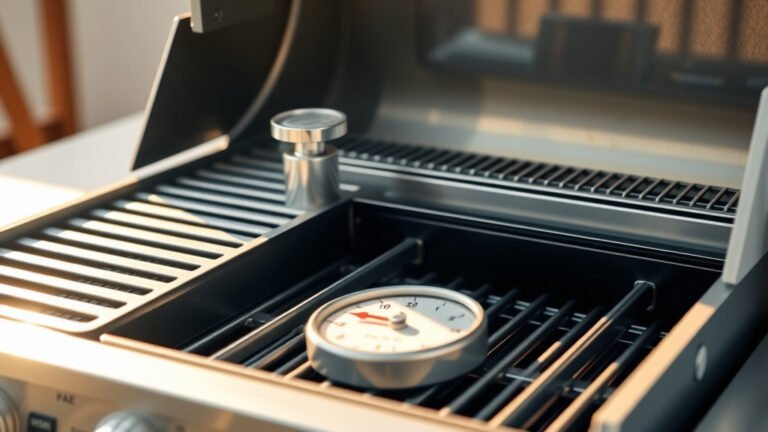
One of the biggest advantages is the precise temperature control. You simply set your desired temperature on a digital controller, just like your kitchen oven.
The grill’s internal computer then adjusts the pellet feed rate and fan speed to maintain that temperature consistently. This means fewer temperature swings and more consistent cooks.
The Anatomy of a Pellet Grill
Let’s take a quick peek inside your potential new grilling companion. What makes it tick?
Typically, you’ll find a few key components: the **hopper for pellets**, the **auger to move them**, the **firepot for burning**, and a **combustion fan**.
There’s also a **drip pan** to catch drippings and a **heat baffle** to distribute heat. Of course, you’ll also have a large cooking grate area to load up with your favorite foods.
Why Choose a Wood Pellet Grill?
You might be asking yourself, “Is a pellet grill right for me?” Many grilling enthusiasts find them to be a fantastic addition to their backyard.
Let’s explore some of the compelling reasons why these grills have become so popular.
Set It and Forget It Convenience
One of the biggest draws is the convenience. Once you’ve loaded your pellets and set the temperature, you can pretty much walk away.
No more constantly tending a fire or checking charcoal levels. This “set it and forget it” approach makes long smoking sessions incredibly easy and stress-free.
Unbeatable Flavor
There’s just something special about food cooked with real wood smoke. Pellet grills give you that authentic, deep smoky flavor that’s hard to replicate with gas grills.
We found that the variety of wood pellets available lets you customize the smoke profile, enhancing your culinary creations.
Versatility in Cooking
Think of a pellet grill as a multi-tool for your outdoor kitchen. While they excel at low-and-slow smoking, many models can also grill, roast, bake, braise, and even barbecue.
You can smoke a brisket all night, then grill some burgers for lunch, or even bake a pizza. It’s a truly versatile cooking machine.
Pellet Grill vs. Other Grills
How do pellet grills stack up against their charcoal or gas cousins? Here’s a quick comparison:
| Feature | Wood Pellet Grill | Gas Grill | Charcoal Grill |
|---|---|---|---|
| Flavor | Authentic wood smoke | Clean, no smoke flavor | Charcoal smoke, rich |
| Ease of Use | Very easy, “set it and forget it” | Easy, quick start | Moderate, fire management |
| Temperature Control | Precise digital control | Good, knob control | Challenging, vent control |
| Versatility | Smoke, grill, bake, roast | Grill, roast | Grill, some smoking |
| Fuel Cost | Moderate (pellets) | Low (propane/natural gas) | Moderate (charcoal) |
Are There Any Downsides?
No cooking appliance is perfect for everyone, and pellet grills have a few considerations you might want to think about.
Understanding these can help you decide if it’s the right choice for your grilling style.
Initial Cost Considerations
Pellet grills often have a higher initial price point than basic charcoal or gas grills. You are investing in a more advanced piece of equipment.
However, many users feel the convenience and flavor justify the investment over time.
Electricity Dependency
Remember, pellet grills need electricity to operate the auger, fan, and igniter. This means you’ll need an outdoor power outlet nearby.
It also means they aren’t ideal for places without power, like some remote camping trips, unless you bring a generator. This is a key operational difference.
Maintaining Your Pellet Grill
Keeping your pellet grill running smoothly ensures great food every time. Regular maintenance is simple and doesn’t take much effort.
It’s all about a few quick habits after each cook.
Quick Cleaning Tips
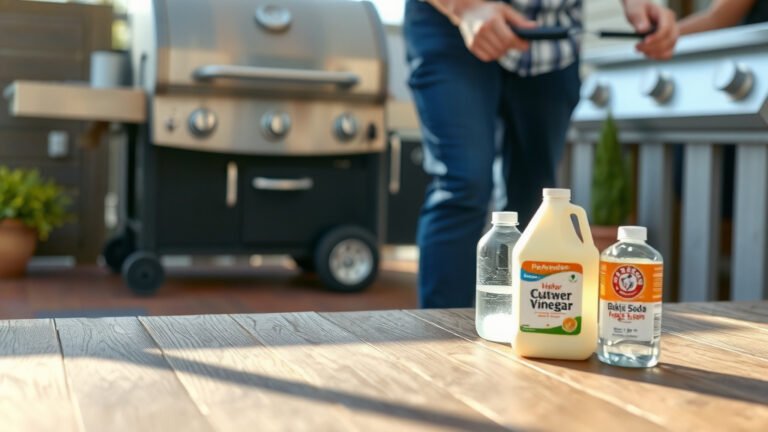
After each use, it’s wise to clear out the ash from the firepot. This prevents buildup and ensures proper airflow for your next cook.
Many experts suggest a quick wipe-down of the grates and interior as well, helping to keep your grill hygienic and ready (Traeger Grills).
Finding the Right Pellets
Using quality wood pellets is important for both flavor and grill performance. Avoid pellets with fillers or binders, as these can affect taste and clog your auger.
We found that many brands offer excellent 100% hardwood options. Here are some popular choices:
- **Hickory:** Strong, smoky, great for beef and pork.
- **Apple:** Mild, sweet, perfect for poultry and fish.
- **Mesquite:** Very strong, bold flavor, often used for Texas BBQ.
- **Cherry:** Sweet, fruity smoke, good with all meats, especially chicken.
- **Oak:** Medium, traditional smoke, versatile for many dishes.
Before You Buy: A Checklist
Thinking about bringing a pellet grill home? Here’s a quick checklist to help you make an informed decision:
- What is your **budget range** for the grill?
- How much **cooking space** do you typically need?
- Do you have an **outdoor power outlet** conveniently located?
- Are you looking for a grill primarily for **smoking or versatile cooking**?
- Have you considered the **ongoing cost of wood pellets**?
Conclusion
A wood pellet grill can truly revolutionize your outdoor cooking experience. It brings together the authentic taste of wood smoke with unmatched convenience and precise temperature control.
Whether you’re a seasoned pitmaster or just starting your grilling journey, these versatile machines offer a less-stress, more-flavor approach to backyard BBQ. You’re getting a powerful tool that makes delicious, consistent results a reality, time after time.
What kind of maintenance does a wood pellet grill require?
Wood pellet grills generally require minimal maintenance. The most important tasks are regularly emptying the ash pot, cleaning the cooking grates, and occasionally vacuuming out any pellet dust from the hopper. You should also check for grease buildup beneath the drip pan.
Can a wood pellet grill sear food effectively?
While pellet grills excel at smoking and low-temperature cooking, many standard models don’t reach temperatures high enough for a traditional steakhouse-style sear. However, some newer models come with direct flame access or specific searing zones to achieve higher temperatures for a better crust.
How much do wood pellets cost, and how long do they last?
The cost of wood pellets varies by brand and wood type, typically ranging from $15 to $30 for a 20-pound bag. How long a bag lasts depends heavily on your cooking temperature and duration. For low-and-slow smoking, you might use 1-2 pounds per hour, while high-heat grilling can consume 2-3 pounds per hour.
Are pellet grills suitable for cold weather cooking?
Yes, pellet grills can perform well in cold weather. Their insulated cooking chambers and precise temperature control help them maintain heat, even when it’s chilly outside. However, they might use slightly more pellets to compensate for heat loss, and some users opt for thermal blankets to improve efficiency in very cold conditions.
Do all wood pellet grills use the same type of pellets?
While most pellet grills can use standard food-grade hardwood pellets, it’s generally recommended to stick with high-quality pellets that are 100% hardwood with no fillers or artificial flavors. Different brands offer various wood types, and while they are generally interchangeable, using pellets specifically designed for your grill brand might offer optimal performance and flavor.