
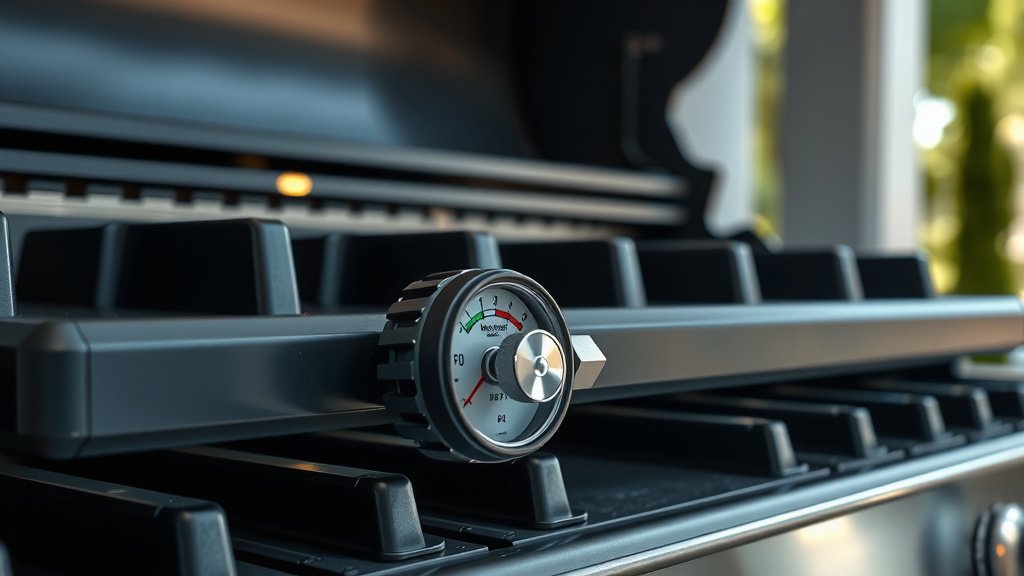
Resetting the regulator on your gas grill can often resolve issues like low flame or inconsistent heat, acting as a simple and effective troubleshooting step.
You’ll typically perform a gas grill regulator reset by disconnecting the propane tank, opening the grill valves to release pressure, waiting a few minutes, then carefully reconnecting and slowly opening the tank valve.
- If your gas grill struggles with low flames, a regulator reset is often the first, easiest fix to try.
- The process involves disconnecting your propane tank, opening grill burner valves, waiting, and then slowly reconnecting.
- This reset helps clear any built-up pressure or safety bypass issues within the regulator itself.
- Always prioritize safety by turning off all gas sources before starting any maintenance.
How To Reset Regulator On Gas Grill?
To reset your gas grill regulator, you essentially clear a safety mechanism that might have engaged due to a rapid pressure change.
This process re-establishes proper gas flow from your tank to the grill burners.
Recognizing Regulator Troubles
Have you ever noticed your grill acting strangely? Perhaps the flame is weak, or it just won’t light up as it should?
These are often tell-tale signs that your gas regulator might need a quick reset to get back in sync.
Low Flame Issues
A common complaint we hear is a grill that produces only weak, yellow flames instead of strong, blue ones.
This usually points to a reduced gas flow, often linked directly to your regulator engaging its safety bypass (Many experts say).
Inconsistent Heat
If one side of your grill is scorching hot while the other stays lukewarm, an inconsistent gas supply could be the culprit.
This uneven distribution often originates from a regulator not functioning at its optimal pressure setting.
Grill Not Lighting
Sometimes, your grill might not light at all, despite having a full propane tank.
This can happen if the regulator is severely bypassed, restricting nearly all gas flow to the burners.
Safety First: Your Pre-Reset Checklist
Before you even think about touching your grill, safety must be your absolute priority.
Working with propane requires care, so let’s make sure you’re ready.
- Turn Off Grill Burners: Ensure all control knobs on your grill are in the OFF position.
- Close LP Tank Valve: Rotate the propane tank valve clockwise until it is completely shut.
- Grill in an Open Area: Perform this in a well-ventilated outdoor space, away from any ignition sources.
- Check for Leaks: Briefly inspect the tank and hose for any obvious damage or signs of wear.
- Wear Gloves: While not strictly necessary for this task, gloves offer an added layer of protection.
The Step-by-Step Gas Grill Regulator Reset
Now that safety precautions are in place, let’s walk through the exact steps to get your regulator back on track.
It’s a straightforward process, but timing and sequence matter.
Step 1: Disconnect and Power Down
First, twist the connector nut on your propane tank counter-clockwise until the regulator hose is completely detached.
You want a full disconnect to properly reset the system.
Step 2: Open Grill Valves
With the hose disconnected, turn all your grill’s burner control knobs to the HIGH setting.
This action helps to release any remaining gas pressure within the grill’s manifold.
Step 3: Wait It Out
Leave the grill burner valves open for at least two to five minutes.
This waiting period allows any trapped gas to dissipate and the regulator to fully reset its internal safety mechanism.
Step 4: Reconnect LP Tank
After waiting, turn all your grill’s burner knobs back to the OFF position.
Then, securely attach the regulator hose back onto the propane tank, twisting clockwise until it’s hand-tight and snug.
Step 5: Slowly Open Tank Valve
This is a crucial step: very slowly open the propane tank valve, turning it counter-clockwise.
We found that opening it too quickly can trigger the safety bypass again (Consumer Reports).
Step 6: Test Your Grill
Wait about 30 seconds for the gas to flow through the system.
Then, attempt to light your grill as you normally would, starting with one burner on low first.
Why Does My Regulator Bypass?
It can be frustrating when your grill acts up, but the regulator’s bypass feature isn’t faulty; it’s a safety measure.
Understanding this can help you prevent it from happening again.
The Safety Mechanism Explained
Your grill’s regulator is designed to detect rapid changes in gas pressure, like a sudden leak.
If it senses this, it automatically restricts gas flow to a very low level, protecting you from potential hazards.
Troubleshooting Beyond the Reset
Sometimes, a simple reset isn’t enough, and your grill still shows signs of trouble.
Don’t worry, we have a few more tricks up our sleeve to get you grilling again.
Checking for Leaks
If low flames persist, a small leak in your hose or connections could be the issue.
Perform a quick soap and water test: spray soapy water on connections; bubbles indicate a gas leak.
Clogged Orifices
Tiny spider webs or debris can sometimes block the small orifices where gas exits the burners.
Carefully clean these with a small wire or paperclip to restore flow.
Regulator Replacement
If all else fails, your regulator might simply be past its prime and need replacing.
Regulators don’t last forever, and wear and tear can impact their pressure delivery.
| Issue | Possible Cause | Solution |
|---|---|---|
| Low Flame | Regulator bypass, clogged orifice | Reset regulator, clean orifices |
| Grill Won’t Light | No gas flow, ignition issue | Reset regulator, check igniter |
| Smells Gas | Leak in hose/connections | Perform soap test, replace parts |
Keeping Your Regulator Happy
A little preventative care goes a long way in ensuring your regulator and grill perform reliably.
These simple habits can save you a lot of hassle down the road.
Always disconnect your propane tank when the grill is not in use for extended periods, especially during off-season storage.
This helps protect the regulator and prevents it from engaging its bypass unnecessarily (NFPA guidelines suggest).
Conclusion
Resetting your gas grill regulator is a fundamental troubleshooting step that can often bring your grill back to life.
By following these careful steps, you can avoid common low-flame issues and keep your grilling adventures enjoyable.
Always remember that safety comes first, and a little patience goes a long way in maintaining your equipment.
Why do gas grills have regulators?
Gas grills use regulators to maintain a consistent, safe gas pressure from the high-pressure propane tank to the grill’s burners. This ensures even cooking and prevents unsafe gas flow.
Can a faulty regulator be dangerous?
Yes, a faulty regulator can be dangerous. It could either restrict gas flow too much, preventing the grill from lighting, or fail to regulate, leading to excessive gas pressure and potential fire hazards.
How often should I reset my grill regulator?
You only need to reset your grill regulator when you notice symptoms like low flames, inconsistent heat, or difficulty lighting, indicating the safety bypass might be engaged. It’s not a routine maintenance task.
What if my grill still has low flames after a reset?
If low flames persist after a regulator reset, check for gas leaks using a soap and water solution, inspect burner orifices for clogs, or consider if the regulator itself is old and needs to be replaced.
How can I tell if my propane tank is empty or if it’s a regulator issue?
To differentiate, first try connecting a known full propane tank. If the problem disappears, your original tank was likely empty. If symptoms persist, it’s more likely a regulator or grill issue.
