
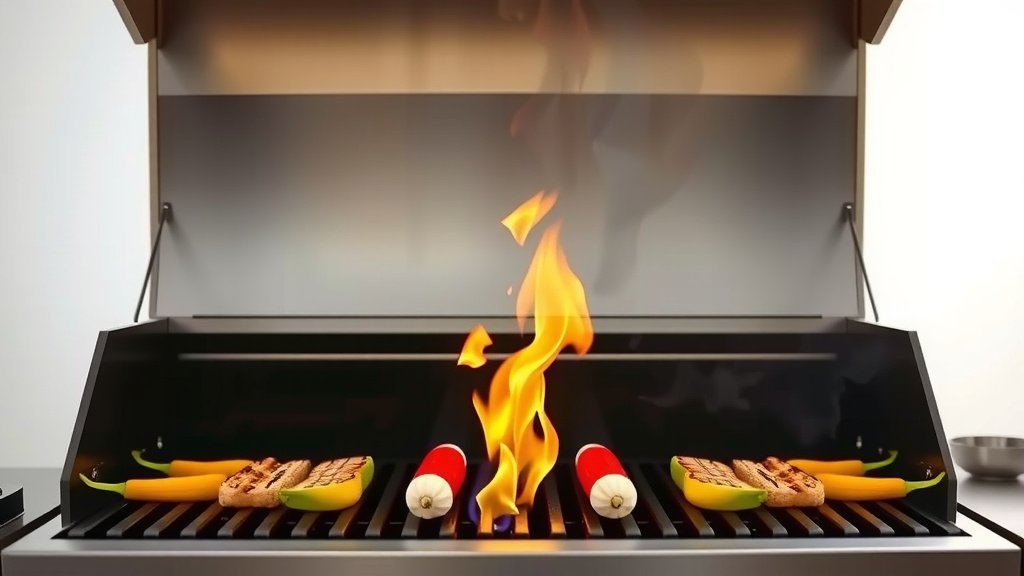
To prevent gas grill flare-ups, you should consistently clean your grill, especially the grates and drip tray, to remove grease and food debris. Additionally, trim excess fat from your meats before grilling to minimize the fuel for potential flames.
Proper grill maintenance and mindful cooking techniques are your best defense against unexpected flare-ups, ensuring a safer and more enjoyable grilling experience.
TL;DR: Keep your grill safe and cooking smoothly.
- Clean your grill grates and drip tray regularly.
- Always trim excess fat from your food before it hits the heat.
- Use the indirect cooking method for fattier cuts.
- Monitor your grill’s temperature closely and adjust as needed.
- Have a spray bottle of water ready for small flames.
There’s nothing quite like the sizzle of a gas grill. You’re cooking up a fantastic meal for friends and family. Then, boom! A sudden burst of flames, licking at your food. It can be startling, right?
Flare-ups are a common grilling challenge. They can burn your food and even damage your grill. But don’t worry. We’ve got simple, practical tips to keep your grilling experience smooth and safe.
How To Prevent Gas Grill Flare Ups?
Preventing gas grill flare-ups involves a combination of vigilant cleaning, careful food preparation, and smart grilling techniques. By managing grease and heat, you can keep those unwanted flames away.
Understanding Why Flare-Ups Happen
Before we stop them, let’s understand the enemy. What causes these fiery surprises? It often comes down to two main culprits combining on your grill.
Grease and Fat Accumulation
The primary reason for flare-ups is dripping fat. When fatty foods cook, grease melts. This grease drips onto hot burner covers or lava rocks. It can then ignite, causing a sudden burst of flame.
Older food bits and marinades can also build up. This residue becomes extra fuel for a fire. Think of it as kindling for an unwanted bonfire on your grill.
Excessive Heat
High temperatures alone are not enough. But, combine high heat with dripping fat, and you have a recipe for flare-ups. A grill running too hot can quickly ignite any accumulated grease.
Uncontrolled heat can also damage your food. It cooks the outside too fast. The inside remains raw. This is never ideal for your delicious BBQ.
Preparation is Your First Defense
Prevention starts even before you light the burners. A little prep work goes a long way. This includes your grill and your ingredients.
Cleaning Your Grill Regularly
This is perhaps the most important step. A dirty grill is a flare-up waiting to happen. We found that cleaning off food debris and grease is vital (Barbecue Industry Association).
Make sure to clean the grates after each use. Also, periodically clean under the grates. Scrape off any baked-on gunk. This removes potential fuel.
Trimming Your Meat
Many experts say to prepare your food properly. This means trimming excess fat from steaks, chicken, or other meats. Less fat to drip means fewer flare-up risks.
You don’t need to cut off all the fat. Just remove any large, loose pieces. This helps manage the amount of grease entering your grill.
Preheating Properly
Always preheat your grill. This burns off any small amounts of leftover residue. It also gets your grates hot enough for a good sear.
However, don’t over-preheat. Get it to the desired temperature. Then lower the heat if needed. This creates a good cooking surface.
Smart Grilling Techniques During Cooking
Even with a clean grill, you still need to be mindful. How you cook can significantly impact flare-up risk. These methods can keep you in control.
Using the Indirect Heat Method
For fattier cuts or longer cooks, use indirect heat. This means cooking food over a burner that is turned off. The burners next to it are on.
The heat circulates around the food. Fat drips onto the unheated side. This greatly reduces flare-up potential. We found this method is excellent for large roasts.
Managing Grill Temperature
Keep an eye on your grill’s thermometer. Adjust the burners as needed. If you see fat dripping, you might need to lower the heat. This can prevent ignition.
Many professional grill masters suggest using a two-zone setup. One side is hot for searing. The other is cooler for finishing. This provides great flexibility.
Flipping Food Thoughtfully
Don’t flip food too often. Each flip releases juices and fat. This can create new drip points. Let your food cook undisturbed for a bit.
When you do flip, be gentle. Avoid piercing the meat too much. This also minimizes the release of juices. Keeping juices inside means less potential fuel for flames.
Using the Right Tools
A good pair of tongs is essential. Avoid forks, which can pierce meat and release fats. Also, have a spray bottle filled with water nearby. This is for small flare-ups.
Some grillers use aluminum foil drip pans. Place these under the grates. They catch excess grease. This is especially helpful for larger, fattier items.
Handling an Active Flare-Up
Despite your best efforts, a flare-up might occur. Stay calm! Here’s what to do. Your quick action can save your meal.
Close the Lid
The first thing to do is close the grill lid. This cuts off oxygen to the flame. Often, the fire will extinguish itself quickly. Do not walk away.
Move the Food
If the fire persists, move your food. Shift it to a cooler part of the grill. Or move it to an area with no direct flame. This protects your food from burning.
Turn Down the Heat
Lower the burner directly under the flare-up. If it’s severe, turn off that burner completely. Let the flames die down. Then you can resume cooking carefully.
Regular Maintenance Makes a Difference
Ongoing care for your grill keeps it reliable. It helps prevent future flare-ups. Consider this your grill’s health check-up.
Cleaning Grill Grates After Each Use
After your grill cools, scrape the grates. Use a good grill brush. This removes most of the cooked-on food. A clean grate is a happy grate.
Checking Burner Covers and Heat Diffusers
Periodically inspect your burner covers (flavorizer bars) or heat diffusers. Grease can build up on them. Scrape them clean. Replace them if they are severely rusted or damaged.
Emptying the Drip Tray
The drip tray collects all the grease. A full drip tray is a fire hazard. Always check and empty it. Do this before it overflows. It’s a simple step with a big impact.
Quick Grill Flare-Up Prevention Checklist
- Trim excess fat from meats.
- Clean grill grates before and after use.
- Empty and clean the drip tray often.
- Preheat grill correctly, then adjust heat.
- Use indirect heat for fatty foods.
- Keep a spray bottle of water handy.
| Flare-Up Cause | Effective Prevention Strategy | Why It Works |
|---|---|---|
| Excess Fat Dripping | Trim meat, use drip pans | Removes or collects primary fuel source |
| Grease Accumulation | Regular grill cleaning (grates, trays) | Eliminates fuel before it can ignite |
| High, Direct Heat | Use indirect cooking, manage burner temps | Reduces heat intensity where fat drips |
| Old Food Debris | Scrape grates thoroughly after each cook | Prevents carbonized bits from igniting |
Conclusion
Preventing gas grill flare-ups is not a secret art. It’s about consistent care and smart choices. By keeping your grill clean and your cooking methods thoughtful, you control the flame. This ensures delicious results every time.
You’ll enjoy safer grilling, better-cooked food, and less stress. So go ahead, fire up that grill. You’re now ready to cook with confidence and avoid those fiery surprises. Happy grilling, everyone!
What causes a gas grill to flare up repeatedly?
Repeated gas grill flare-ups are most often caused by excessive grease buildup on the grates, burner covers, or in the drip pan. Inadequate cleaning allows old fat and food debris to accumulate, which then easily ignites when exposed to high heat from the burners.
Can marinades contribute to grill flare-ups?
Yes, some marinades, especially those with high sugar or oil content, can contribute to flare-ups. When sugary marinades drip onto hot surfaces, they can burn and ignite. Oily marinades add more fuel for potential flames. Draining excess marinade before placing food on the grill can help.
Is it safe to use a water spray bottle for flare-ups?
Using a water spray bottle is generally safe for small, contained flare-ups on a gas grill. A light mist of water can quickly douse minor flames without completely cooling the grill. However, for larger or uncontrolled fires, turn off the gas and close the lid, moving food to safety.
How often should I deep clean my gas grill to prevent flare-ups?
A deep clean of your gas grill, including grates, burner covers, and the entire cookbox, should be done at least twice a year. If you grill frequently, cleaning every few months is better. Regular post-cook scraping and drip pan emptying are still essential daily tasks.
Does the type of food I grill affect flare-up frequency?
Absolutely. Fattier foods like burgers, sausages, chicken with skin, and certain cuts of steak are much more prone to causing flare-ups due to the amount of grease they render. Leaner meats and vegetables generally present a lower risk of igniting flames.
