
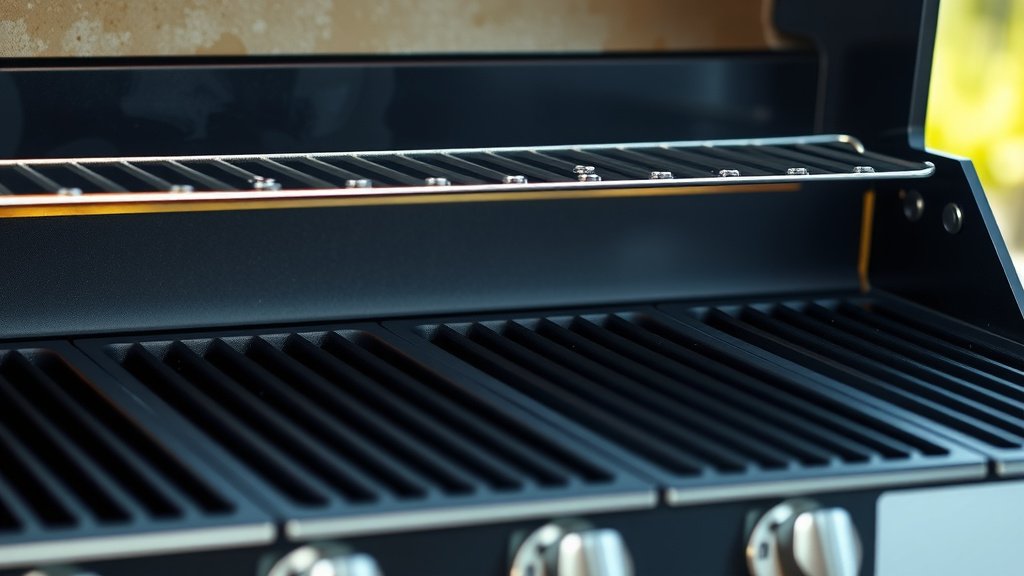
To prevent flare ups on your gas grill, consistently clean your cooking grates, heat deflectors, and drip tray to remove accumulated grease and food debris. Additionally, trim excess fat from your meats and manage your grill’s temperature effectively.
You can largely avoid gas grill flare-ups by prepping your food thoughtfully, controlling the heat, and ensuring your grill is always well-maintained before and after each use.
- Keep your grill clean: Remove grease and food bits regularly.
- Trim food fat: Less fat dripping means fewer unexpected flames.
- Control grill temperature: Lower, consistent heat helps stop flare-ups.
- Use indirect cooking: Great for fattier foods to prevent flare-ups.
- Stay attentive: Always watch your grill while cooking.
How To Prevent Flare Ups On Gas Grill?
Preventing flare-ups on your gas grill involves a mix of good cleaning, smart food prep, and careful grilling techniques. You can significantly reduce unexpected flames by staying vigilant and proactive.
Why Do Gas Grills Flare Up?
Have you ever had a perfect steak suddenly engulfed in flames? Flare-ups are those sudden bursts of fire on your grill, often caused by dripping grease or marinades hitting hot coals or burners. It is a common grilling issue.
The Science Behind the Flame
When fat or oil drips onto a heat source, it vaporizes. If this vapor mixes with oxygen and reaches a high enough temperature, it ignites, creating a flare-up. Research suggests that high heat combined with a fuel source is the primary trigger (University of Illinois Extension).
These sudden flames can burn your food and even damage your grill over time. Understanding the cause is the first step to keeping your cooking consistent and safe.
Pre-Grill Prevention: Cleanliness & Food Prep
Prevention starts before you even light the burners. A clean grill and thoughtfully prepared food are your best defense against those surprising bursts of fire. Think of it as preparing your stage for a perfect performance.
Clean Your Grill Regularly
This might sound basic, but it is the single most important step. Many experts say that grease accumulation is the number one cause of flare-ups (Weber Grills).
Grates, Burner Covers, and Drip Tray
After each use, clean your grill grates. Scrape off any stuck-on food bits. Periodically, you should also clean the burner covers, sometimes called flavorizer bars. These catch a lot of dripping fat.
Don’t forget the drip tray underneath your grill. This tray collects excess grease. If it gets too full, it can overflow or even ignite. Make sure to empty and clean it often to prevent issues.
Prepare Your Food Wisely
The food you put on the grill also plays a big role in preventing flare-ups. A little extra attention here can save you a lot of trouble once cooking starts.
Trim the Fat
Before placing meat on the grill, take a moment to trim off excess fat. While some fat adds flavor, too much will render and drip, feeding potential flames. This is especially true for items like chicken thighs or fatty steaks.
Watch Marinades and Sauces
Sweet or oil-heavy marinades and sauces can also cause flare-ups. They contain sugars that burn easily and oils that fuel flames. Pat excess marinade off your food before grilling to reduce dripping liquids.
Consider applying sugary sauces only during the last 10-15 minutes of cooking. This allows the flavors to set without creating a messy, fiery situation early on.
Mastering Your Grilling Technique
Even with a clean grill and prepped food, how you grill makes a huge difference. Your technique can either invite or prevent flare-ups.
Temperature Control is Your Ally
High heat can quickly turn a drip into a flame. Using medium or medium-low heat for fattier items gives the fat time to cook off slowly, rather than dripping rapidly and igniting. Always preheat your grill, but then adjust temperatures for your food.
Embrace Indirect Grilling
For very fatty foods like duck breasts or large roasts, indirect grilling is your secret weapon. This involves turning off one or more burners and cooking the food over the unlit section. This method helps render fat slowly without direct heat contact.
Research often connects indirect cooking with more even results and fewer flare-ups for larger cuts (Food Network Kitchen).
Don’t Overload the Grates
Resist the urge to cram every piece of food onto your grill at once. Crowding the grill reduces airflow and makes it harder to move food if a flare-up starts. Leave some space, so you have room to maneuver.
Move Food When Needed
If you see a small flare-up beginning, simply move the food away from the flame to a cooler part of the grill. This immediate action can often be enough to extinguish the small fire before it grows.
| Action Area | Frequency | Key Benefit for Flare-Up Prevention |
|---|---|---|
| Grill Grates | After every cook | Removes immediate food debris and grease. |
| Burner Covers | Every 3-5 cooks | Cleans accumulated fat from heat deflectors. |
| Drip Tray | After every fatty cook | Prevents grease overflow and potential ignition. |
| Burner Ports | Annually/Seasonally | Ensures even flame and proper gas flow. |
Be Prepared: Safety First
Even with the best prevention, sometimes a flare-up can still happen. Being prepared means you can handle it safely and effectively without panic. Your immediate reaction is important.
What to Do If a Flare-Up Happens
First, move the food off the direct flames. Then, turn down the burners or even turn them off. Close the lid only briefly to smother the flame, but do not walk away. Never use water on a grease fire; it can spread the flames. If it is a persistent fire, have a fire extinguisher nearby.
Essential Grill-Side Tools
Keep a long-handled spatula and tongs handy to move food. Many experienced grillers also recommend having a spray bottle filled with water. A quick spritz can often dampen small flames without totally cooling your grill. However, use water sparingly, as too much can make a mess and affect your food.
Quick Checklist for Flare-Up Prevention
- Is your grill clean from the last cookout?
- Have you trimmed excess fat from your meat?
- Are you using the correct temperature for your food?
- Is there enough space between food items on the grates?
- Do you have a spray bottle or a place to move food readily available?
Conclusion
Preventing flare-ups on your gas grill is a blend of diligent cleaning, thoughtful food preparation, and careful grilling techniques. By following these steps, you not only ensure safer cooking but also produce more consistently delicious results. A little effort goes a long way in making your grilling experience enjoyable and stress-free. So, go ahead and grill with confidence!
How often should I clean my gas grill to prevent flare-ups?
You should clean your grill grates after every use. For burner covers and the drip tray, a thorough cleaning every 3-5 grilling sessions, or after cooking particularly fatty foods, is generally recommended.
Can marinades increase the risk of flare-ups?
Yes, especially marinades high in oil or sugar. When these drip onto hot burners, the oil can ignite, and the sugar can burn, both contributing to flare-ups. Patting food dry before grilling can help.
Is it better to grill on high or low heat to avoid flare-ups?
Lower to medium heat is often better for fattier foods as it allows the fat to render slowly and drip less aggressively, reducing the chance of flare-ups. High heat causes rapid dripping and quick ignition.
What should I do if a flare-up happens while I’m grilling?
Immediately move the food away from the direct flames to a cooler part of the grill. You can try turning down or off the burners causing the flame. Never use water directly on a grease fire; a fire extinguisher or closing the lid (briefly) are better options if the fire is persistent.
Are some foods more prone to causing flare-ups than others?
Absolutely. Foods with high fat content, such as bacon, certain cuts of steak, chicken thighs with skin, and sausages, are more likely to cause flare-ups as their fat renders and drips onto the heat source.
