
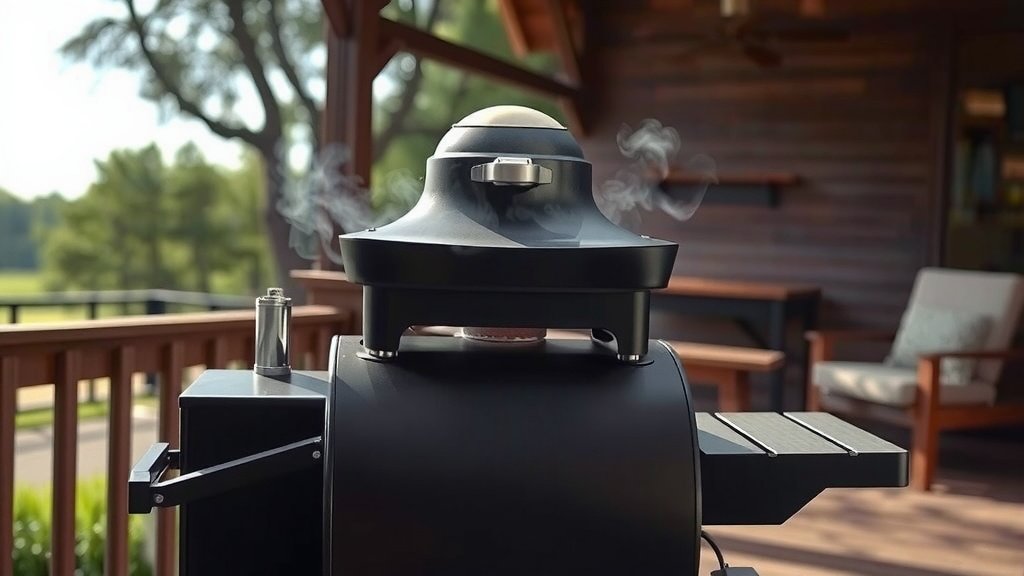
To use a smoker BBQ grill, you first set up your fuel, typically charcoal and wood, and bring the smoker to a steady low temperature, often between 225-275°F (107-135°C), before adding your seasoned food.
Maintaining a consistent temperature through vent adjustments and monitoring your meat’s internal temperature are key steps for delicious, tender results from your smoker BBQ grill.
- Get your smoker ready by ensuring it is clean and assembled.
- Choose your fuel, like wood chunks or charcoal, and light it properly.
- Stabilize your smoker to a consistent low temperature, usually around 225°F.
- Place your prepared meat inside and monitor both smoker and meat temperatures closely.
- Allow the meat to rest after cooking for the best flavor and texture.
How To Use A Smoker BBQ Grill?
Using a smoker BBQ grill means cooking food low and slow, imparting incredible smoky flavors. It is a rewarding process that transforms ordinary cuts into extraordinary meals.
Understanding Your Smoker
First, get to know your specific smoker type, whether it’s an offset, vertical, or pellet smoker. Each has its own quirks and best practices for temperature control.
Many experts say that starting with a clean smoker always sets you up for success. Any old grease can affect new flavors.
Essential Equipment for Smoking
Before you begin, gather your tools. You will need a reliable meat thermometer and a good grill brush for cleaning. These items are truly indispensable for precision.
You also want heat-resistant gloves and tongs. A water pan can also be very helpful inside your smoker, adding moisture to the cooking environment (USDA).
Fueling Your Smoker
Choosing the right fuel is a big part of successful smoking. Charcoal provides a consistent heat source, while wood chunks create the smoke flavor.
Some people say lump charcoal burns cleaner. Others prefer briquettes for their uniform shape. We found that both work well, depending on your preference.
Charcoal and Wood Choices
Select wood that complements your meat. Oak is strong, good for beef, while apple or cherry works well with pork or poultry.
Avoid using construction lumber or painted wood, which can release harmful chemicals. Always use food-grade smoking wood.
| Wood Type | Flavor Profile | Best For |
|---|---|---|
| Hickory | Strong, bacon-like | Beef, Pork, Poultry |
| Apple | Mild, fruity | Pork, Poultry, Fish |
| Cherry | Sweet, subtle | Pork, Poultry, Lamb |
| Oak | Medium, balanced | Beef, Lamb, Pork |
| Pecan | Rich, nutty | Pork, Poultry, Fish |
Igniting Your Fuel
Use a chimney starter for charcoal, avoiding lighter fluid. Lighter fluid can leave an unpleasant chemical taste in your food.
Once the charcoal is ash-covered, carefully transfer it to your smoker’s firebox. Add a few wood chunks on top for that delicious smoke.
Achieving Stable Temperature
This is often the trickiest part for new smokers. Your goal is a low, consistent temperature, usually between 225-275°F.
Use your smoker’s vents to control airflow. More air means hotter fire, less air means cooler fire. Small adjustments are key.
Monitoring Your Smoker’s Temperature
Rely on a good external thermometer placed near your food, not just the one on your smoker lid. Lid thermometers can be inaccurate.
Give your smoker 30-60 minutes to stabilize after adding fuel. Patience here prevents uneven cooking later on.
Preparing Your Food for the Smoker
Always season your meat generously before smoking. Dry rubs are popular for creating a flavorful bark.
Some cuts benefit from brining or injecting for added moisture. Research suggests that brining helps retain juiciness during long cooks (Cook’s Illustrated).
Placing Food in the Smoker
Arrange your meat on the grates, leaving space for smoke circulation. Overcrowding can lead to uneven cooking and less smoky flavor.
Place larger, tougher cuts further from the direct heat source if your smoker has hot spots. This prevents overcooking one side.
The Smoking Process
Once the meat is in, resist the urge to peek often. “If you’re looking, you’re not cooking,” as the saying goes, because opening the lid drops the temperature.
Monitor your meat’s internal temperature with a probe thermometer. This is the only reliable way to tell when it’s done.
Navigating the “Stall”
For larger cuts like brisket or pork butt, you might experience a “stall.” This is when the meat’s temperature plateaus for hours.
The stall happens due to evaporative cooling on the meat’s surface. Just be patient; it will eventually push through. Wrapping in butcher paper can help speed it up.
Adding More Fuel During the Cook
- Check your firebox every 1-2 hours.
- Add fresh charcoal as needed to maintain heat.
- Place a few new wood chunks on top of the hot coals.
- Avoid over-smoking, as too much smoke can make food bitter.
- Aim for a thin, wispy blue smoke, not thick white smoke.
- Close the lid quickly after adding fuel to keep heat consistent.
Resting Your Smoked Meats
After reaching its target internal temperature, remove the meat and let it rest. This step is often overlooked but truly crucial.
Resting allows the muscle fibers to relax and redistribute juices, making the meat incredibly tender and moist. We found that a proper rest makes all the difference.
Cleaning Your Smoker
Once everything cools down, clean your smoker. Scrape off any food residue from the grates and wipe down the interior.
Regular cleaning prevents grease buildup and ensures your next smoke tastes just as good. It also helps your smoker last longer.
Conclusion
Mastering your smoker BBQ grill takes a bit of practice, but the delicious results are worth every effort. By understanding your equipment, managing fuel, and controlling temperature, you are well on your way to creating incredible smoked dishes.
Remember, patience and monitoring are your best friends in the world of low and slow cooking. Keep experimenting, keep learning, and most importantly, keep enjoying the process!
What is the ideal temperature range for smoking meat?
Many experts agree that the ideal temperature range for smoking meat is typically between 225°F and 275°F (107°C to 135°C). This low and slow heat allows connective tissues to break down gradually, resulting in tender, flavorful meat.
How do I prevent my smoked meat from drying out?
To prevent your smoked meat from drying out, consider using a water pan inside your smoker to add moisture to the cooking environment. Additionally, wrapping your meat in butcher paper or foil during the “stall” phase, known as the Texas Crutch, can help retain moisture. Finally, always let your meat rest adequately after cooking.
How often should I add wood chips or chunks to my smoker?
You should generally add wood chips or chunks to your smoker every 30 minutes to 1 hour for the first few hours of the cook, depending on the intensity of smoke flavor you desire. After the meat develops a good bark and has absorbed enough smoke, you might not need to add more wood, focusing mainly on maintaining temperature with charcoal.
What is the difference between white smoke and blue smoke?
White smoke, especially thick white smoke, often indicates incomplete combustion and can impart a bitter, acrid taste to your food. This is sometimes called “dirty smoke.” Blue smoke, which is thin and wispy, signals clean combustion and is the desirable smoke for flavoring your meat, giving it a pleasant, sweet smoky taste.
Do I need to soak wood chips before smoking?
Many pitmasters disagree on soaking wood chips, but research and experience suggest that soaking wood chips is not necessary and can even be counterproductive. Soaking only produces steam, delaying the wood from smoldering and creating clean smoke. Dry wood burns cleaner and produces better flavor faster.
