
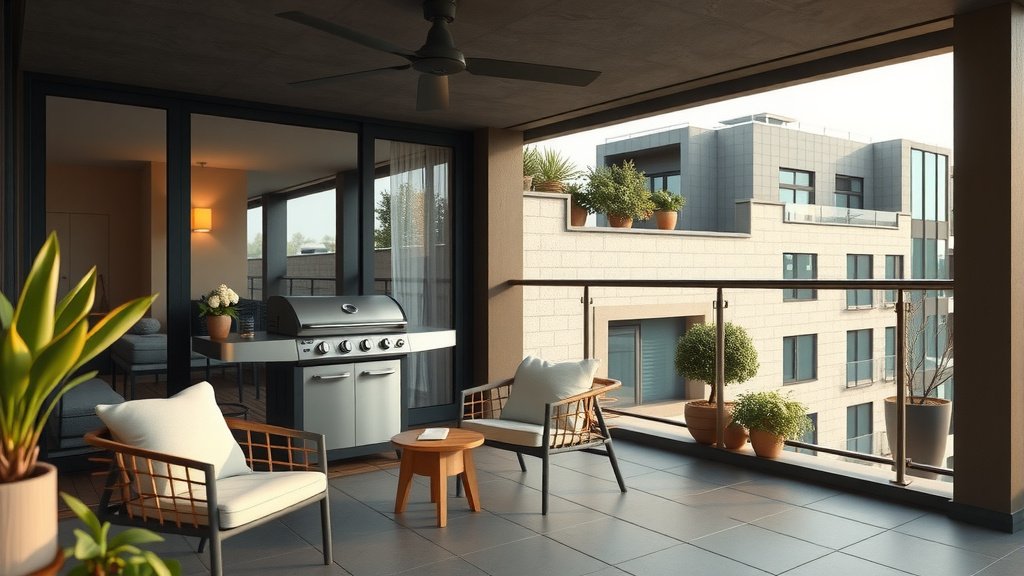
Generally, you cannot have a gas grill at an apartment, especially on balconies or within a certain distance from the building, due to strict fire safety regulations.
Most apartment complexes and local fire codes prohibit the use of open-flame cooking devices like gas grills to protect residents from fire hazards.
Here’s a quick overview of what you need to know about grilling at your apartment:
- Gas and charcoal grills are typically forbidden on balconies or within 10 feet of buildings.
- Fire safety regulations, like those from the NFPA, often drive these restrictions.
- Your lease agreement and local ordinances will have the final say.
- Electric grills are usually a safe and allowed alternative for apartment living.
- Always check with your landlord or HOA before bringing any grill home.
Can You Have A Gas Grill At An Apartment?
For most apartment dwellers, having a gas grill on your balcony or patio is a definite no, due to serious fire safety concerns.
It’s a common question, and we found that the answer often leans towards caution and restriction for your safety and that of others.
Why All the Rules About Grills?
You might love a good BBQ, but apartment living comes with unique challenges. Grilling creates smoke, heat, and potential fire hazards.
This is why apartment complexes and local authorities put rules in place. They want to keep everyone safe from accidental fires.
Fire Safety Regulations Are Key
Fire codes, especially from organizations like the National Fire Protection Association (NFPA), are very clear. They aim to prevent fires in multi-family dwellings.
Many regulations state that grills should not be used on balconies or within a certain distance of combustible materials (NFPA).
Your Lease Agreement Matters Most
Before you even think about buying a grill, grab your lease. It’s the first place to look for specific rules.
Most lease agreements for apartments will have clauses about grilling. They might forbid gas grills or specify certain types of cooking devices.
Understanding Local Laws
Beyond your lease, city and county ordinances play a big role. These local laws often reflect the NFPA guidelines.
Always check your local fire department’s website or call them. They can tell you exactly what is and isn’t allowed in your area.
What Grills Are Typically Allowed?
So, if gas grills are out, what are your options? Don’t worry, you can still enjoy delicious grilled food without breaking the rules.
The key is to understand which types of grills meet safety standards for apartment living.
Electric Grills: A Safe Bet
Electric grills are often the go-to solution for apartment residents. They don’t use open flames or propane tanks.
This makes them a much safer choice, widely accepted by landlords and fire departments alike. Many experts recommend these for small spaces.
Propane and Natural Gas Grills
These are usually the ones causing trouble. Propane tanks, even small ones, are a significant fire risk on balconies.
The National Fire Protection Association (NFPA) explicitly discourages their use in close quarters to buildings.
Balcony Rules for Gas Grills
Many jurisdictions say no gas grills on balconies. If you are on the ground floor and have a patio, there might be exceptions.
Even then, the grill must be a minimum of 10 feet away from any building structure. This is for everyone’s protection.
Charcoal Grills: Usually a No-Go
Charcoal grills, with their hot embers and smoke, are almost always prohibited in apartment settings.
They pose an even greater fire risk than gas grills due to the potential for stray sparks and embers. Many fire codes forbid them completely.
Steps to Take Before Grilling
Planning to grill at your apartment? Take these important steps first to avoid issues and stay safe:
- Review your apartment lease agreement carefully.
- Check local fire codes and city ordinances for grilling restrictions.
- Talk directly to your landlord or property management.
- Ensure you have a fire extinguisher nearby if grilling is allowed.
- Choose an approved grill type, like an electric model.
Talking to Your Landlord or HOA
This is a vital step. Your landlord or Homeowners Association (HOA) can give you the definitive answer.
They might have specific rules for your complex, even if city laws are a bit more lenient. It’s always best to ask first.
What to Ask About
When you speak to them, ask about the types of grills permitted. Inquire about designated grilling areas, if any exist.
Also, confirm any distance requirements from the building. Getting it in writing can save you headaches later.
Safe Apartment Grilling Alternatives
Just because you can’t have a big gas grill doesn’t mean you can’t enjoy grilled food. There are fantastic alternatives.
These options bring that delicious grilled flavor indoors or use safer outdoor methods.
| Grill Type | Open Flame? | Propane Tank? | Typically Allowed in Apartments? |
|---|---|---|---|
| Gas Grill | Yes | Yes | No (on balconies/patios) |
| Charcoal Grill | Yes | No | No |
| Electric Grill | No | No | Yes |
| Indoor Grill Pan | No | No | Yes |
Portable Electric Grills
These are designed for smaller spaces. They heat up quickly and give you a nice sear without any open flames.
They are perfect for balconies where gas or charcoal grills are restricted. Cleanup is often very simple as well.
Indoor Grills and Grill Pans
For truly indoor grilling, you can use electric indoor grills or even a cast-iron grill pan on your stovetop.
These bring the flavor right into your kitchen. Just make sure you have good ventilation to handle any smoke.
Tips for Responsible Grilling (If Allowed)
If you’re lucky enough to live in a place that allows some form of grilling, always grill responsibly. Safety comes first.
Many property managers will emphasize these points for good reason. Accidents can happen quickly.
- Always supervise your grill while it is in use.
- Keep the grill at least 10 feet away from walls, railings, and overhangs.
- Have a fire extinguisher or a bucket of sand close by.
- Clean your grill regularly to prevent grease fires.
- Never leave a hot grill unattended, even for a moment.
Conclusion
While the dream of a gas grill on your apartment balcony might not be possible, don’t despair! Fire safety regulations are there to protect you and your neighbors.
Always check your lease and local codes first. Often, a safe electric grill or indoor grilling solution can provide that BBQ flavor you crave.
Making an informed choice keeps everyone safe and happy in your apartment community.
Can I use a small gas grill on my apartment patio if it’s on the ground floor?
Even on a ground-floor patio, gas grills typically face restrictions. Many fire codes require grills to be at least 10 feet away from any building structure. Always check your specific lease and local fire ordinances, as ground-floor patios are not automatically exempt from these rules.
Are electric grills always allowed in apartments?
Electric grills are generally allowed in apartments because they don’t use open flames or propane tanks, making them much safer. However, it’s always smart to double-check your lease agreement or ask your landlord, as some rare cases might have specific rules against them.
What should I do if my neighbor is using a prohibited grill type?
If you notice a neighbor using a grill that seems to violate apartment rules or local fire codes, your first step should be to contact your property management or HOA. They can address the situation directly and ensure everyone follows safety guidelines. Avoid confronting your neighbor yourself.
Can I use a portable charcoal grill in a common area of my apartment complex?
Portable charcoal grills are almost universally prohibited in common areas of apartment complexes due to fire hazards. They produce sparks and embers that can easily ignite dry foliage or other combustible materials. Most complexes provide designated grilling stations if charcoal is allowed anywhere.
What are the penalties for using a prohibited grill at an apartment?
Using a prohibited grill can lead to various penalties, from fines issued by your landlord or HOA to potential eviction for violating lease terms. If your grilling causes a fire, you could face significant legal and financial consequences, including liability for damages and injuries. It is always best to follow the rules.
