
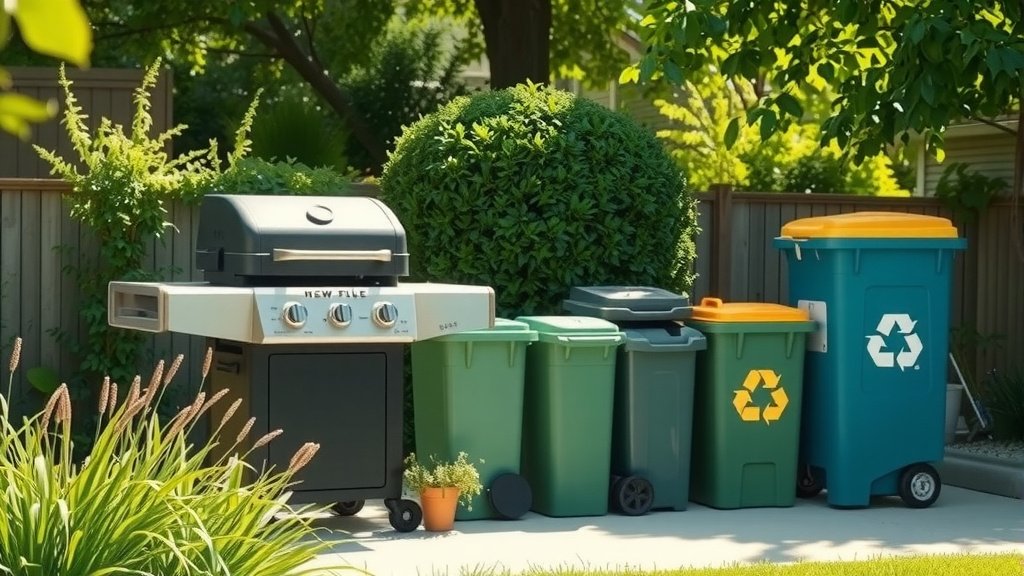
To dispose of a BBQ grill, first disconnect and safely return or recycle any propane tanks, then thoroughly clean the grill.
Next, disassemble the grill into separate components like metal grates, burners, and the main body, sorting them for metal recycling or local waste collection.
Here’s a quick overview of how to dispose of a BBQ grill:
- Always remove and properly dispose of propane tanks. Safety first!
- Clean your grill well to remove grease and food residue.
- Disassemble it, separating metal, plastic, and electronic parts.
- Check local recycling programs or scrap metal yards for metal components.
- Consider donating or selling if your grill is still in decent shape.
How To Dispose Of BBQ Grill?
Properly disposing of a BBQ grill means tackling safety, environmental responsibility, and local regulations.
It involves safely removing fuel sources, cleaning the grill, and then finding the best recycling or disposal route for its materials.
Why Bother with Proper Grill Disposal?
You might be asking, “Can’t I just toss it?” Not so fast, friend!
Grills contain various materials, many of which can be recycled. This helps keep metals out of landfills.
More importantly, improper disposal, especially of propane tanks, creates significant safety hazards (National Fire Protection Association).
Assessing Your Grill: Repair or Replace?
Before you even think about disposal, take a good look at your grill. Is it truly beyond repair?
Sometimes, a few new parts can bring an old grill back to life. This saves you money and reduces waste.
If it’s rusted through or major components are failing, then yes, it’s time for its retirement party.
Disposing of Gas Grills: A Special Consideration
Gas grills come with a unique challenge: the propane tank. This isn’t just a heavy cylinder; it holds pressurized gas.
You cannot simply throw a propane tank in the trash or recycling bin. That’s a major fire risk.
Propane Tank Safety First
The most important step is safely handling the propane tank. Always ensure it’s empty and disconnected from the grill.
Many propane exchange programs allow you to return empty tanks for a small fee or even free (Propane Education & Research Council).
Alternatively, some hazardous waste facilities will accept them. Check with your local waste management services.
Disassembling Your Gas Grill
Once the tank is gone, your gas grill becomes much easier to manage. Grab your tools and start taking it apart.
Separate the metal grates, burners, heat diffusers, and the main body. Plastics and electronic igniters will need different handling.
This process makes components easier to transport and recycle efficiently.
Scrap Metal Recycling: Give Your Grill a Second Life
Many parts of your grill are valuable scrap metal. Think of the grates, burners, and the main body.
Finding a local scrap metal yard can be a great option. They pay you by weight for various metals.
We found that steel and cast iron are commonly accepted, but confirm with your specific yard.
Local Recycling Centers and Bulk Waste Pick-Up
Your municipal recycling center often accepts large metal items. Give them a call to understand their guidelines.
Some communities offer special bulk waste pick-up days. This is a convenient way to get rid of larger items like old grills.
Always verify their specific rules regarding grill materials and pre-sorting.
Disposing of Charcoal Grills
Charcoal grills are generally simpler to dispose of than gas grills.
They lack the pressurized tank, making the initial safety steps less complex.
Ash Disposal for Charcoal Grills
Before doing anything, ensure all ash is completely cold and extinguished. This might take a full 24-48 hours.
Place cold ash in a metal container, then into your regular trash. Never put hot ashes directly into bins (Consumer Product Safety Commission).
Disassembly and Recycling for Charcoal Grills
Similar to gas grills, disassembling a charcoal grill helps with recycling. Separate the metal basin, grates, and legs.
These metal components can go to a scrap metal yard or your local recycling center.
Electric Grills: Specific Considerations
Electric grills fall under a category often called “e-waste.” They contain wires, heating elements, and sometimes electronic controls.
These shouldn’t go into regular trash due to potential hazardous materials and valuable recoverable components.
Check for e-waste recycling events or specialized recycling centers in your area for proper disposal.
Donating or Selling: If It Still Has Life
Is your grill still functional, perhaps just a little dusty or needing minor repairs?
Consider donating it to a charity, community center, or even offering it for free online.
This gives your grill a second chance and keeps it out of the waste stream longer.
| Disposal Method | Pros | Cons |
|---|---|---|
| Scrap Metal Yard | Eco-friendly, may earn money, accepts various metals. | Requires transportation, disassembly needed, not all parts accepted. |
| Local Recycling Center | Good for environment, often free, convenient drop-off. | Specific material acceptance varies, may need pre-sorting. |
| Bulk Waste Pick-Up | Very convenient, no personal transport needed. | Availability varies by area, often a fee, specific pickup schedules. |
| Donation/Sale | Eco-friendly, helps others, potential for income. | Only for functional grills, might take time to find a buyer/recipient. |
Checklist for Grill Disposal Readiness
Before you move your grill for its final journey, run through this quick checklist:
- Is the propane tank completely removed and handled safely?
- Is all ash (from charcoal grills) fully cold and disposed of?
- Have you thoroughly cleaned the grill of food residue and grease?
- Are all non-metal components separated if required by your recycler?
- Have you confirmed the chosen disposal method with local authorities?
Understanding Local Regulations for Grill Disposal
This is where things can get a bit tricky. Disposal rules are not one-size-fits-all.
What’s allowed in one city might be prohibited in another. We found that local waste management websites are your best resource.
A quick phone call to your city’s sanitation department can clear up any confusion and ensure you dispose of your grill correctly.
Conclusion
Disposing of a BBQ grill doesn’t have to be a mystery. By prioritizing safety, especially with propane tanks, and understanding the materials involved, you can make an informed choice.
Whether you’re heading to the scrap yard, utilizing local recycling, or even giving your old grill a new home through donation, responsible disposal protects our environment and community.
It’s a small effort for a big impact, ensuring your beloved grill’s legacy is one of environmental care, not landfill burden.
What is the best way to recycle a propane tank?
The safest and most common way to recycle a propane tank is through a tank exchange program or by dropping it off at a certified hazardous waste facility. Never put a propane tank in your regular recycling or trash bins due to explosion risk.
Can I put my old BBQ grill out with the regular trash?
Generally, no. Most regular trash services do not accept large metal items like grills. You’ll likely need to arrange for a special bulk waste pickup, take it to a scrap metal yard, or a dedicated recycling facility.
Do I need to clean my grill before disposing of it?
Yes, it’s a good idea to thoroughly clean your grill before disposal. Removing food residue and grease makes it safer and more pleasant for workers handling it, and some recycling facilities require it for metal acceptance.
Can I sell or donate a partially broken grill?
It depends on the extent of the damage. If it’s a simple fix, like a broken igniter, you might find someone willing to take it for repairs. For major structural damage or rust, it’s usually best to recycle the components instead of trying to sell or donate.
What parts of a BBQ grill are typically recyclable?
Most of the metal components, such as the grates (cast iron, stainless steel), burners, heat tents, and the main body frame (steel, aluminum), are recyclable as scrap metal. Plastic handles or electronic components may need separate recycling as e-waste or special handling.
