
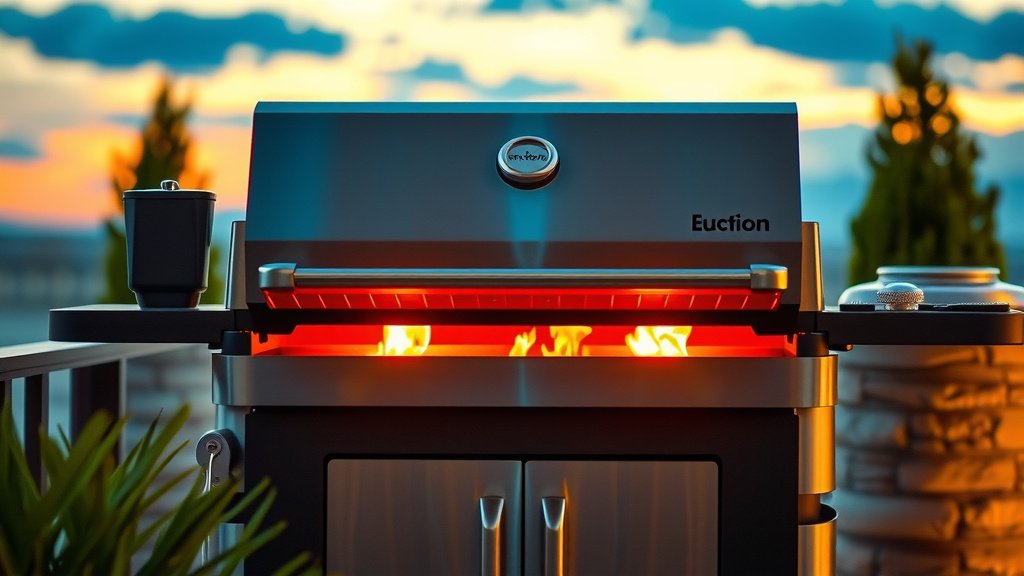
A propane grill can typically reach temperatures between 400°F and 600°F (200°C to 315°C) for most models, while some high-end units designed for searing can exceed 700°F (370°C).
The exact maximum heat your propane grill achieves depends on its BTU rating, design, ambient weather, and how you manage the burners.
- Propane grills generally reach between 400°F to 600°F, but premium models can hit 700°F+.
- Heat capacity is influenced by BTU, grill size, lid usage, and outside conditions.
- Different temperatures are ideal for various foods, from slow roasting to intense searing.
- Maintaining your grill and using a reliable thermometer helps ensure optimal cooking results.
- Always prioritize safety when operating your grill at high temperatures.
How Hot Can A Propane Grill Get?
Your propane grill can get very hot, making it ideal for a wide range of cooking tasks. Most household models offer a strong performance, often reaching temperatures beyond what you need for everyday grilling.
Understanding Grill Temperatures: Why Does It Matter?
Grilling is an art, and temperature is your brush. Knowing your grill’s heat range helps you cook food perfectly every time. You wouldn’t bake cookies at 500°F, right? The same idea applies to your barbecue.
The Core Goal of Heat
The main purpose of a hot grill is to cook food evenly and safely. It’s also about achieving that perfect sear or a smoky char. We’re aiming for deliciousness, and temperature control is key to getting there.
Factors Influencing Your Grill’s Performance
Think of your grill like a race car; many parts work together. Several elements determine how hot your propane grill can get. Understanding these helps you get the most out of your cooking.
BTU Rating: A Starting Point
BTU, or British Thermal Unit, indicates a burner’s heat output. A higher BTU suggests more potential heat. However, it’s not the only factor, as many experts say (Grill Manufacturers Association).
A grill with 40,000 BTUs might not feel as hot as a smaller 20,000 BTU grill if the smaller one is built better. It’s about how that heat is used.
Grill Construction and Size
The materials your grill is made from play a big part. Thicker steel or cast iron retains heat better than thinner metals. A well-designed hood and cooking grates also distribute heat more evenly.
Larger grills need more heat to warm up the entire cooking area. This means they might take longer to reach top temperatures compared to smaller units.
The Power of a Closed Lid
This is a game-changer! Keeping the lid closed traps heat inside, just like an oven. An open lid lets heat escape, dropping your grill’s internal temperature quickly.
For consistent high heat, always close the lid between flipping and checking your food. We found that this simple act dramatically improves grilling efficiency.
Weather and Outdoor Environment
Outdoor conditions really affect your grill’s performance. On a cold, windy day, your grill works harder to maintain temperature. It’s battling the elements, much like you would walking uphill against the wind.
Direct sunlight or a sheltered spot can help your grill reach and hold higher temperatures. This environmental factor is often overlooked but truly makes a difference.
Burner Maintenance and Gas Flow
Clean burners with clear ports allow for optimal gas flow and a strong flame. Clogged burners mean uneven heat and lower overall temperatures.
Ensure your propane tank has enough fuel and the regulator is working correctly. A low tank or a faulty regulator can prevent your grill from reaching its full heat potential.
Propane Grill Temperature Ranges Explained
Different foods cook best at different heat levels. Understanding these ranges helps you tackle any recipe with confidence. Here’s a quick guide to what temperatures mean for your cooking.
| Temperature Range | Common Use | Example Foods |
|---|---|---|
| 225°F – 275°F (107°C – 135°C) | Low & Slow Roasting/Smoking | Ribs, Brisket, Pork Shoulder |
| 300°F – 375°F (150°C – 190°C) | Medium-Low to Medium Roasting | Whole Chicken, Turkey Breast |
| 375°F – 450°F (190°C – 232°C) | Medium to Medium-High Grilling | Chicken Pieces, Sausages, Veggies |
| 450°F – 600°F (232°C – 315°C) | High Heat Grilling | Burgers, Steaks, Pork Chops |
| 600°F+ (315°C+) | Searing & Flash Cooking | Thin Steaks, Tuna Steaks |
Cooking with Specific Heat Levels
Mastering your grill’s temperature settings opens up a world of culinary possibilities. Let’s look at how to use different heat levels for amazing results.
Low Heat: For Slow Cooking and Roasting
Around 225°F to 275°F is perfect for “low and slow” cooking. This method is fantastic for tenderizing tougher cuts of meat. Imagine fall-off-the-bone ribs!
You’ll often use indirect heat for these longer cooks. That means turning off burners directly under the food while keeping others on. We found this technique yields incredibly juicy results.
Medium Heat: The Versatile Grilling Zone
This range, roughly 375°F to 450°F, is your everyday workhorse. It’s excellent for most meats and vegetables, giving you good browning without burning.
Think chicken breasts, sausages, corn on the cob, and fish fillets. Many families find themselves in this zone for weeknight dinners. It’s where the magic happens for consistent cooking.
High Heat: Perfect for Searing
When you want that beautiful crust on a steak, aim for 450°F to 600°F or even higher. High heat quickly caramelizes the outside of the meat, locking in juices.
This is also great for charring vegetables or getting a crisp finish on burgers. Be quick, though, as food can burn fast at these intense temperatures.
Checking Your Grill’s Temperature Accurately
Your grill’s built-in thermometer is a good guide, but it often measures air temperature near the lid, not at the grates. For real precision, consider a digital probe thermometer.
Many experts recommend a two-zone setup for versatile grilling. One side of the grill is hot for searing, while the other is cooler for finishing. This gives you flexibility.
- Achieving Optimal Grill Temperatures Checklist:
- Check your propane tank level before you start.
- Clean your grill grates and burner ports regularly.
- Preheat your grill with the lid closed for 10-15 minutes.
- Use a separate, accurate thermometer for grate temperature.
- Adjust burners gradually and allow time for temperature changes.
- Keep the lid closed as much as possible to retain heat.
Grilling Safely at High Temperatures
High heat grilling brings delicious results but also requires attention to safety. Flare-ups are more likely when fats drip onto very hot burners. Keep a spray bottle of water nearby for small flames.
Always ensure your grill is on a stable, non-combustible surface away from flammable items. And never leave a hot grill unattended. Many guidelines point to keeping a safe distance from your grill (NFPA).
Conclusion
Your propane grill is a powerful tool, capable of reaching high temperatures for incredible cooking. From low and slow smoking to blistering searing, understanding your grill’s heat capabilities is transformative.
By paying attention to factors like BTUs, grill design, and weather, you can consistently achieve the perfect temperature for any dish. Remember to always prioritize safety and enjoy the delicious meals you create!
How do I know my propane grill is hot enough?
The best way is to use an accurate digital grill thermometer, either an instant-read probe or a surface thermometer placed directly on the grates. While your grill’s lid thermometer provides a general idea, grate temperature is what truly matters for cooking.
Can a propane grill reach temperatures for searing?
Yes, many propane grills can reach temperatures high enough for searing, typically 500°F to 600°F (260°C to 315°C) or even higher. For the best sear, preheat your grill thoroughly, ensure clean grates, and consider models with dedicated sear burners.
Why isn’t my propane grill getting hot enough?
Several issues can cause low heat. Check your propane tank level, ensure the gas valve is fully open, and inspect burner ports for clogs. A faulty regulator or a “bypass mode” safety feature triggered by opening the tank valve too quickly can also limit gas flow.
How long does it take for a propane grill to preheat?
Most propane grills take about 10 to 15 minutes to preheat to a medium-high temperature (around 400°F-450°F or 200°C-230°C). For very high searing temperatures, you might need an extra 5 minutes or so of preheating with the lid closed.
Is it bad to run my propane grill on high all the time?
Running your grill on high continuously isn’t bad for the grill itself, but it consumes more propane and can overcook or burn certain foods. Use high heat when needed for searing or quick cooks, but adjust to medium or low for most other grilling to save fuel and cook food properly.
