
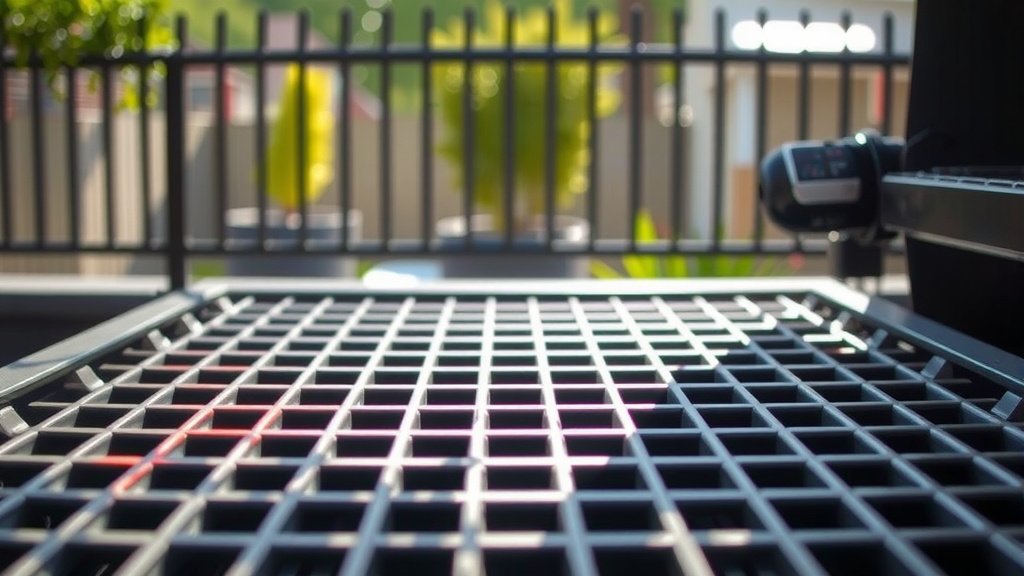
To clean charcoal grill grates effectively, heat them immediately after grilling, then scrub with a wire brush to remove food residue.
For a deeper clean, soak the cooled grates in warm, soapy water before scrubbing and rinsing thoroughly to remove tough grease.
- Always clean grates right after cooking for easiest results.
- Heat your grill grates to burn off food, then brush them clean.
- For tough grime, soak cooled grates in soapy water or use natural cleaners.
- Use a paste of baking soda and water for stubborn, caked-on bits.
- Dry your grates completely after cleaning to prevent any rust from forming.
How To Clean Charcoal Grill Grates?
Cleaning charcoal grill grates involves either burning off residue while hot or soaking them when cold. Regularly cleaning ensures your food tastes great and your grill lasts longer.
Why Clean Grates Matter So Much
Imagine cooking on a dirty skillet every time. Not very appealing, right? Your grill grates are similar. Clean grates prevent old food bits from sticking to your fresh meal. They also keep harmful bacteria away, which is super important for food safety (USDA).
Beyond hygiene, a clean grate helps with cooking. Food cooks more evenly, and you get those beautiful, crisp grill marks. This also stops rust from forming, which can ruin your grates over time.
Safety First: What You Need
Before you start scrubbing, gather your tools. Safety is always a priority when working with cleaning chemicals or hot surfaces. Many grill experts say a few items are essential.
- Heavy-duty grill brush (wire or bristle-free)
- Heat-resistant gloves
- Bucket or large tub
- Dish soap or a degreaser
- Plenty of warm water
- Aluminum foil (optional, for scrubbing)
- Old rags or paper towels
The Best Time to Clean Your Grates
When should you tackle this task? We found that there are two main schools of thought. Both work well, depending on your grilling routine. The ideal time often depends on how much grime you have.
Many grill masters suggest cleaning right after you finish cooking. The grates are still hot, and food residue is softer. This makes it much easier to scrape off. Others prefer a thorough clean when everything is cool.
Cleaning Hot Grates: The Quick Way
This method is super efficient for day-to-day maintenance. As soon as you remove your food, put the lid back on. Let your grill heat up for another 10-15 minutes. This helps incinerate any stuck-on food.
After this, the residue turns to ash. Put on your heat-resistant gloves. Open the lid and vigorously scrub the hot grates with your grill brush. The ash should flake right off. It is often the fastest way to remove surface dirt.
Using a Wire Brush Properly
A good wire brush is your best friend here. Hold it firmly and use short, powerful strokes. Work across the grates in one direction, then switch to the other. This ensures you hit all angles. Remember to clean the brush itself sometimes to avoid spreading old grime.
What if I Don’t Have a Wire Brush?
No brush? No problem! Grab a crumpled ball of aluminum foil. Use tongs to hold it and scrub the hot grates. It works surprisingly well. Another trick involves cutting an onion in half. Skewer it with a fork and rub the cut side on hot grates. The onion’s natural acids help lift grime.
Deep Cleaning Cold Grates: When Grime is Tough
Sometimes, a quick brush isn’t enough. For heavily soiled grates, a deep clean is necessary. Wait until your grill grates are completely cool. This ensures your safety and allows for proper soaking.
Removing the grates from your grill is the first step. Lay them in a large tub or utility sink. This method is perfect for tackling stubborn, caked-on grease and burnt food bits.
Soaking Solutions for Stubborn Messes
Fill your tub with warm water and a good squirt of dish soap. Let the grates soak for at least 30 minutes, or even overnight for really tough grime. The warm, soapy water will soften everything up. After soaking, use your grill brush or a stiff scrub pad to remove the loosened gunk. Rinse thoroughly.
Natural Cleaning Agents You Can Trust
For those who prefer natural options, baking soda and vinegar are fantastic. We found that these common household items are very effective. They are also non-toxic and safe for food contact surfaces.
| Cleaning Method | What It Does | Best For |
|---|---|---|
| Baking Soda Paste | Breaks down grease and acts as a mild abrasive. | Heavy, caked-on food. |
| White Vinegar Spray | Cuts through grease and helps dissolve rust. | Lighter grease, surface rust. |
| Dish Soap & Water | Universal degreaser, softens cooked-on food. | General cleaning, initial soak. |
To use baking soda, mix it with a little water to form a thick paste. Apply it to the grates, let it sit for an hour, then scrub. For vinegar, spray it undiluted onto the grates. Let it sit for a few minutes, then scrub and rinse. Combining vinegar after a baking soda paste can create a fizzing action that helps lift grime.
Preventing Future Buildup
The best defense is a good offense, right? Regular maintenance prevents major cleaning headaches. Taking a few extra steps now saves you time later. Keeping your grates in top shape is easy.
Seasoning Your Grates: A Protective Layer
Once your grates are sparkling clean, it’s wise to season them. This creates a non-stick, rust-resistant layer. Lightly coat your clean, dry grates with a high smoke point oil like vegetable, canola, or grapeseed oil. Many experts say to avoid olive oil here.
Heat your grill with the oiled grates for about 15-20 minutes. This bakes the oil onto the metal. You’ll notice your food sticks less, and the grates are more resistant to moisture. This protective layer extends grate life.
Proper Storage for Longevity
Where you keep your grates matters. After cleaning and seasoning, ensure they are completely dry. Store them in a dry place, ideally inside your grill with a cover. If storing them separately, keep them in a garage or shed, away from damp conditions. Moisture is the enemy of cast iron and steel grates.
Troubleshooting Common Cleaning Problems
Even with the best intentions, you might face some stubborn issues. Don’t worry, there are solutions. We found that most problems have straightforward fixes. You can bring your grates back to life.
Dealing with Rust on Grates
Rust happens, especially if grates are stored wet. For light rust, the vinegar spray method works well. Let it sit, then scrub with steel wool or a stiff brush. For heavier rust, some people suggest cutting a potato in half. Dip the cut side in salt or baking soda, then rub it on the rusty spots. The oxalic acid in potatoes helps remove rust (Old Farmer’s Almanac).
Remember to re-season your grates thoroughly after any rust removal. This will help prevent future corrosion. Rust can affect the flavor of your food, so it’s important to address it.
Getting Rid of Grease Buildup
Heavy grease is often best tackled with a degreaser. There are many commercial grill degreasers available. Always follow the product instructions carefully. For a natural option, that baking soda paste can do wonders. Apply it thick, let it sit for several hours or overnight, then scrub vigorously. The longer it sits, the more it breaks down the grease.
Conclusion
Cleaning your charcoal grill grates is a simple task that makes a huge difference. You’ll enjoy better-tasting food, a safer cooking surface, and a grill that lasts for years. Whether you choose a quick hot scrub or a deep cold soak, consistency is key. Keep those grates clean, season them well, and your grilling adventures will always be a joy. Happy grilling!
How often should I clean my charcoal grill grates?
For best results and hygiene, clean your grill grates after every use. A quick scrub while hot is often enough for daily maintenance. A deeper clean is recommended every 3-5 uses or when significant buildup occurs.
Is it safe to use dish soap on grill grates?
Yes, it’s safe to use dish soap on grill grates, especially during a cold deep clean. Dish soap is excellent at cutting through grease. Just be sure to rinse the grates thoroughly afterward to remove all soap residue before your next cook.
Can I put grill grates in the dishwasher?
Most grill grates, especially cast iron, are not suitable for dishwashers. The harsh detergents and high heat can strip away seasoning and promote rust. Stainless steel grates might tolerate it, but hand washing is always gentler and often more effective for cooked-on grime.
What’s the best way to clean rusty grill grates?
For rusty grill grates, a solution of equal parts white vinegar and water can be very effective. Soak the grates in this solution for a few hours, then scrub with a stiff brush or steel wool. For very stubborn rust, a baking soda paste applied overnight can also help loosen it. Always re-season afterward.
How do I maintain my grill grates between cooks?
Between cooks, the best maintenance involves a quick scrub after grilling while the grates are still hot. Once cooled, lightly coat them with cooking oil (seasoning) to prevent rust. Store your grates in a dry place, preferably covered, to protect them from moisture and elements.
