
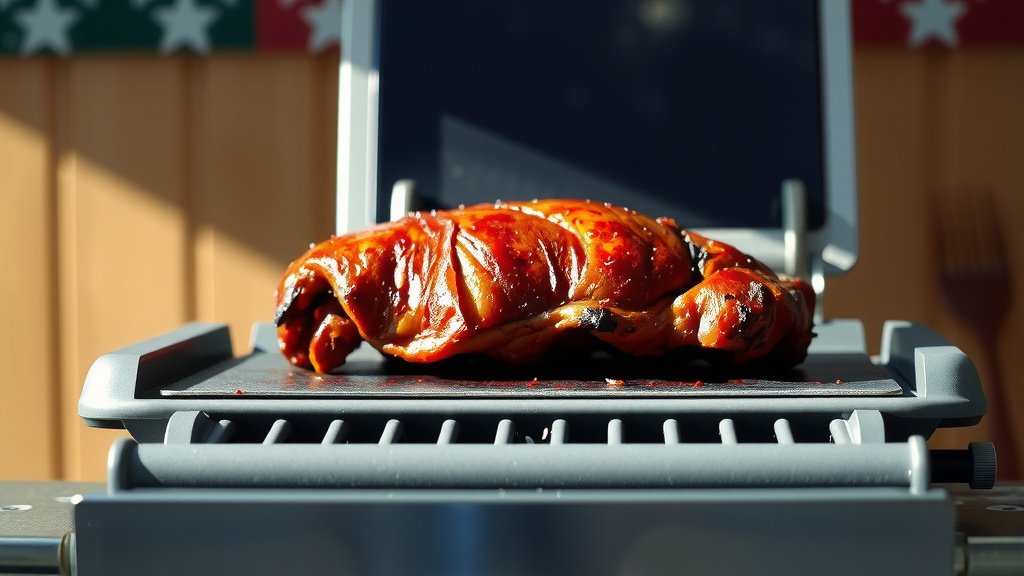
To smoke a brisket flat on a pellet grill, you typically set your grill to a low temperature, like 225-250°F, and maintain steady heat while cooking until the internal temperature reaches around 203°F and the meat is probe-tender. Remember that a good smoke involves patience and monitoring.
You’ll achieve juicy results by preparing your brisket properly, maintaining consistent low heat, and allowing it to rest adequately after cooking to redistribute its flavorful juices.
TL;DR: Smoking a Brisket Flat on a Pellet Grill
- Choose a well-marbled brisket flat, then trim excess fat for even cooking.
- Season generously with a simple salt, pepper, and garlic rub.
- Preheat your pellet grill to 225-250°F and place the brisket fat-side up.
- Smoke for 6-8 hours, or until it hits the “stall” (around 150-165°F), then wrap it.
- Continue cooking wrapped until probe-tender, usually 203°F, then rest for 2-4 hours.
How To Smoke A Brisket Flat On A Pellet Grill?
Smoking a brisket flat on a pellet grill means achieving that perfect balance of smoky flavor and tender meat without constant babysitting. You’re essentially using a backyard oven that adds smoke.
The secret is in understanding each step, from selection to slicing, and respecting the cooking process. Patience is your best friend here, as brisket doesn’t rush.
Choosing Your Brisket Flat
When you’re at the store, how do you pick a good brisket flat? Look for a piece that is flexible with good marbling throughout. Marbling refers to the visible streaks of fat within the muscle tissue.
This internal fat melts during cooking, adding moisture and flavor. We found that a well-marbled flat makes all the difference for a juicy final product.
Essential Tools You’ll Need
Before you even think about firing up your grill, gather your gear. You’ll definitely want a reliable pellet grill, of course. Good quality wood pellets are also key.
A high-quality meat thermometer is crucial. Many experts say an instant-read thermometer helps check for tenderness (USDA recommends this for food safety). Butcher paper or heavy-duty foil for wrapping is also a must-have.
Preparing Your Brisket Flat
First, unwrap your brisket and pat it dry with paper towels. Next comes the trimming. You want to remove any hard, excess fat that won’t render during the cook.
Aim for about a quarter-inch of a fat cap on one side. This fat helps protect the meat and adds flavor. Don’t be shy; a clean trim helps with even cooking.
Seasoning Your Brisket
Once trimmed, it’s time for seasoning. A simple rub often works best for brisket. We found that a mix of coarse salt, black pepper, and garlic powder is a classic for a reason.
Apply your rub liberally all over the brisket, pressing it gently to help it adhere. Don’t forget the sides. Many people like to let it sit, seasoned, in the fridge for a few hours or even overnight.
Setting Up Your Pellet Grill
Fill your pellet hopper with your preferred wood pellets. Oak or hickory are popular choices for beef. They provide a strong, complementary smoke flavor.
Preheat your pellet grill to a consistent temperature, usually 225-250°F. Ensure your grill reaches and holds this temperature before you place the meat inside.
The Smoking Process: Phase One
Place your seasoned brisket flat directly on the grill grates, fat side up. This helps protect the meat as the fat renders slowly.
Close the lid and let the smoke do its work. This initial phase can last anywhere from 6 to 8 hours, depending on the brisket’s size and your grill’s performance.
Battling the Stall (and When to Wrap)
Have you heard of the “stall”? It’s a point where your brisket’s internal temperature seems to stop rising, often around 150-165°F. This happens due to evaporative cooling on the meat’s surface.
When the stall hits, it’s time to wrap your brisket. Wrapping helps push past the stall by trapping moisture and heat, speeding up the cooking process. It’s like tucking your brisket into a warm blanket.
The Wrap: Butcher Paper vs. Foil
What should you use for wrapping? You have two main options: butcher paper or aluminum foil. Each has its pros and cons.
- Butcher Paper: Allows some air circulation, promoting a better bark (the flavorful crust).
- Aluminum Foil: Creates a tighter seal, which can speed up cooking but might soften the bark.
Many pitmasters prefer butcher paper for brisket. We found that it strikes a nice balance between speed and bark preservation.
Finishing the Cook
After wrapping, place the brisket back on the pellet grill. Continue cooking at 225-275°F until the internal temperature reaches around 203°F.
More importantly, test for tenderness. You should be able to insert a probe into the meat with very little resistance, like pushing it into warm butter. This tenderness is a better indicator of doneness than just temperature alone.
The All-Important Rest
Once your brisket is probe-tender, remove it from the grill. Do NOT slice it immediately! This is a common mistake.
Resting allows the muscle fibers to relax and reabsorb the juices, ensuring a moister, more tender result. Many experts recommend resting for at least 2 hours, and up to 4, still wrapped, in an insulated cooler.
Slicing for Perfection
After a good rest, unwrap your brisket. You’ll notice a beautiful bark and rich color. It’s crucial to slice against the grain.
Slicing against the grain shortens the muscle fibers, making each bite incredibly tender. Find the grain by looking at the direction of the muscle fibers, then cut perpendicularly.
Common Mistakes to Avoid
Making a great brisket is a journey. Here are some pitfalls to dodge:
Don’t cook to a fixed time; always cook to temperature and tenderness. Skipping the rest period is also a big no-no, as it sacrifices moisture. Also, cutting with the grain will result in tough, chewy slices, no matter how perfectly you cooked it.
Temperature Guide for Brisket Flat
Here’s a quick reference for ideal temperatures during your smoke:
| Stage | Temperature (Internal) | Action |
|---|---|---|
| Grill Temp | 225-250°F | Set your pellet grill |
| Initial Smoke | 150-165°F | Reach the “stall” point |
| Wrapped Cook | 200-205°F | Final target for tenderness |
| Serving Safety | 145°F (USDA) | Minimum safe internal temp (often exceeded for tenderness) |
Checklist for Success
To keep things simple, here’s a quick mental checklist:
- Have you trimmed the fat cap evenly to 1/4 inch?
- Is your chosen rub applied generously to all sides?
- Did your pellet grill reach its target temperature before placing the brisket?
- Are you monitoring the internal temperature with a reliable probe?
- Do you have butcher paper or foil ready for the stall?
- Will you allow ample resting time (2-4 hours)?
- Do you know where the grain runs for proper slicing?
Why a Water Pan Helps
Placing a water pan inside your pellet grill can make a real difference, especially for longer cooks like brisket. It adds moisture to the cooking chamber.
We found that this extra humidity helps prevent the brisket from drying out. It also creates a more stable temperature environment, which your brisket will thank you for.
What About Spritzing?
Spritzing involves misting your brisket with a liquid every hour or so during the initial smoking phase. Common spritz liquids include apple cider vinegar, beef broth, or apple juice.
Some pitmasters swear by it, claiming it keeps the surface moist and helps with bark formation. Others say it’s unnecessary and just cools down the cooking chamber. If you try it, avoid over-spritzing; a light mist is enough.
Conclusion
Smoking a brisket flat on a pellet grill is a rewarding experience. It takes patience, attention to detail, but it’s entirely doable right in your backyard. By focusing on proper preparation, consistent temperatures, and that all-important rest, you’re setting yourself up for success.
Don’t be afraid to experiment with different pellets or rub combinations. The journey of smoking is part of the fun. Soon, you’ll be slicing into a beautifully tender, smoky brisket that will impress everyone.
What is the best type of wood pellet for smoking brisket?
Many experts say that stronger woods like oak, hickory, or mesquite are excellent choices for smoking brisket. These provide a robust smoke flavor that complements the richness of beef. You can also blend different types for a unique profile.
How do I prevent my brisket flat from drying out on a pellet grill?
To prevent dryness, make sure you maintain a consistent low temperature (225-250°F), use a water pan in your grill for added humidity, and wrap your brisket once it hits the stall. Resting the brisket properly after cooking is also crucial for moisture retention.
How long does it typically take to smoke a 5-pound brisket flat?
A 5-pound brisket flat can typically take anywhere from 8 to 12 hours to smoke on a pellet grill. Cooking time varies widely based on factors like grill temperature, meat thickness, and how often you open the lid. Always cook to tenderness, not strictly by the clock.
Should I trim all the fat off a brisket flat before smoking?
No, you should not trim all the fat off. It’s best to trim the hard, excess fat and leave about a quarter-inch fat cap on one side of the brisket. This fat cap helps protect the meat during the long cook and contributes to its moisture and flavor as it renders.
Can I smoke a brisket flat without wrapping it?
Yes, you can smoke a brisket flat without wrapping it, often called a “naked” brisket. This method can produce a thicker, crispier bark. However, it usually takes longer to cook and has a higher risk of drying out, especially in a pellet grill’s environment. Wrapping helps push through the stall and retain moisture.
