
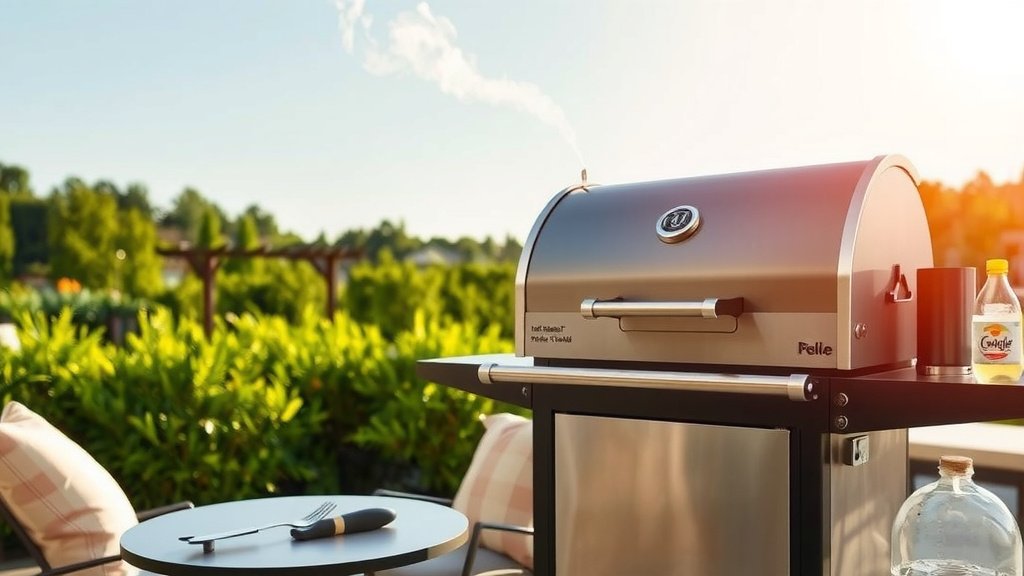
To get more smoke from a pellet grill, the most effective method is often to use a lower temperature setting, especially between 180°F and 225°F, and consider adding a smoke tube filled with quality wood pellets.
This “low and slow” approach allows the pellets to smolder more, creating the desirable “thin blue smoke” that infuses your food with deep, rich flavor without making it bitter.
- Get ready for more smoke flavor on your pellet grill!
- Lower temperatures between 180-225°F are your best friend for smoke production.
- Using a smoke tube or adding specific pellets can dramatically boost smoky goodness.
- Understanding your grill’s “smoke point” is key to achieving that perfect bark.
- Small adjustments can make a big difference in how much flavor your food absorbs.
How To Get More Smoke From A Pellet Grill?
Getting more smoke from your pellet grill means understanding how these amazing machines work. It’s not about overpowering your food with thick, white smoke, but about producing that desirable thin, blue wispy smoke that delivers incredible flavor.
The Smoke Setting Secret
Many pellet grills have a specific “Smoke” or “Super Smoke” setting. Have you checked if yours does? We found that these settings are designed to vary the pellet feed rate and fan speed, creating a cooler burn that generates more smoke (Traeger Grill Guide).
If your grill offers this, it’s often the easiest first step to increasing your smoke output. Think of it as hitting the ‘turbo’ button for flavor.
Understanding Temperature and Smoke Production
The relationship between temperature and smoke is critical. Higher temperatures burn pellets more cleanly, producing less smoke. Conversely, keeping your grill in the 180°F to 225°F range will often yield the best smoke flavor. This is because the pellets smolder rather than fully combust.
Many experts say this lower temperature range is where pellets produce their signature “thin blue smoke,” which is ideal for flavor. Too high, and you get less smoke; too low, and you risk a creosote flavor from “dirty smoke.”
Choose Your Pellets Wisely
Not all pellets are created equal. The type of wood and the quality of the pellets greatly affect smoke production and flavor. Hardwood blends often deliver a more robust smoke profile than lighter woods.
We found that pellets specifically marketed for smoke (like hickory, mesquite, or oak) tend to generate more noticeable smoke. Some companies also offer “competition blend” pellets designed for a rich flavor.
Mixing Pellet Flavors
Don’t be afraid to experiment with different pellet flavors. Mixing a stronger wood like hickory with a milder fruitwood can create a unique smoke profile. It’s like being a culinary artist, blending colors for the perfect picture.
Enter the Smoke Tube or Box
If your grill just isn’t cutting it, a smoke tube or box is your secret weapon. These accessories are simply perforated metal tubes or boxes that you fill with pellets or wood chips and light.
Once lit, they smolder for hours, producing a continuous stream of smoke independent of your grill’s main burn pot. Many grillers find this method to be incredibly effective for adding extra smoke (Grill Master Forum Insights).
How to Use a Smoke Tube
Simply fill the tube with pellets, light one end with a propane torch until it produces a steady flame, then let it burn for about 10-15 minutes until it’s just smoldering. Blow out the flame, and place it in your grill. It’s a simple addition that makes a big impact.
Consider a Cold Smoke Generator
For those truly obsessed with smoke, a cold smoke generator is another option. These units attach to your grill and generate smoke without producing significant heat.
They are excellent for cold smoking items like cheese, fish, or nuts, but can also be used to add more smoke to hot cooks without raising the grill’s internal temperature too much. Research often points to these as a superior method for intensive smoke infusion (AmazingRibs.com).
Maintain Your Grill’s Cleanliness
A clean grill is an efficient grill. If your fire pot is clogged with ash, it can prevent pellets from igniting properly and reduce smoke production. A dirty grease tray can also affect airflow, which plays a role in how pellets burn.
Regular cleaning ensures optimal performance. Think of it like a car engine; it runs best when it’s well-maintained.
Fire Pot Maintenance Checklist
- Before each cook, ensure the fire pot is clear of ash.
- Check the igniter rod for any buildup.
- Make sure air holes are not blocked.
- Clean your temperature probe for accurate readings, which affects pellet feed.
- Brush down grates to prevent flare-ups, which can burn off smoke.
The Role of Airflow and Wind
Airflow is important for proper combustion and smoke. Too much wind can cause pellets to burn hotter and faster, reducing smoke. If possible, position your grill in a sheltered spot.
Sometimes, simply adjusting your grill’s exhaust stack or vents (if it has them) can make a slight difference in smoke retention. We found that proper airflow helps sustain a consistent smolder (BBQ & Grill Experts).
Don’t Peek! Keep the Lid Closed
Every time you open the lid, you lose heat and, more importantly, you lose valuable smoke. The smoke you’re working so hard to produce needs time to circulate and adhere to your food.
Resist the temptation to check on your food constantly. Many experts say that keeping the lid closed is one of the easiest ways to ensure maximum smoke absorption. It’s like baking a cake; opening the oven too soon can ruin it.
Moisture Content of Pellets
Pellets absorb moisture over time, which can affect their burn quality and smoke output. Store your pellets in an airtight container in a dry place. Dry pellets burn more consistently and produce better smoke.
We found that fresh, dry pellets consistently outperform old, damp ones in terms of both heat efficiency and smoke flavor.
The Initial Start-Up Smoke
You might notice a lot of thick, white smoke during the initial start-up phase of your pellet grill. This is often called “start-up smoke” and it’s not the desirable thin blue smoke.
This smoke can impart an acrid, bitter taste to your food. It’s generally best to wait until this thick white smoke dissipates and the grill settles into its cooking temperature before placing your food on the grates.
| Method for More Smoke | Smoke Intensity (1-5, 5 being highest) | Ease of Implementation | Typical Cost |
|---|---|---|---|
| Use “Smoke” Setting | 3 | Easy | Free (built-in) |
| Lower Temperature (180-225°F) | 4 | Easy | Free (grill setting) |
| Use a Smoke Tube/Box | 5 | Moderate | $20-$40 |
| Select Stronger Pellets | 3 | Easy | Same as regular pellets |
| Cold Smoke Generator | 5+ | Advanced | $100-$300+ |
Conclusion
Getting more smoke from your pellet grill isn’t a dark art; it’s a blend of simple science and smart choices. By understanding the role of temperature, choosing the right pellets, and potentially adding a smoke tube, you can significantly boost the smoky flavor in your BBQ.
Remember, it’s about quality smoke, not just quantity. Aim for that thin, wispy blue smoke, and your taste buds will thank you. Happy grilling!
How long does a smoke tube last on a pellet grill?
A typical 12-inch smoke tube filled with pellets can smolder for about 3 to 5 hours, depending on the type of pellets, how tightly packed they are, and the ambient conditions. Larger tubes or certain pellet blends might last even longer.
Can I add wood chips to a pellet grill for more smoke?
While you can add wood chips, they typically burn faster than pellets and may not produce sustained smoke without frequent refilling. Using a smoke tube filled with pellets or specific wood chips designed for smoking is often more effective and consistent.
Does the size of the pellet affect smoke production?
Generally, the size of the pellet itself doesn’t significantly alter smoke production as much as the wood type and burn temperature. However, uniform pellet size helps with consistent feeding into the auger, which indirectly supports steady smoke generation.
Why does my pellet grill produce less smoke at higher temperatures?
At higher temperatures, pellets undergo more complete combustion, burning hotter and cleaner. This rapid, efficient burning reduces the amount of smoldering, which is what primarily creates the desirable smoky vapor, leading to less visible smoke.
Is “dirty smoke” harmful or bad for flavor?
“Dirty smoke,” which appears thick, white, and acrid, indicates incomplete combustion and contains unpleasant compounds like creosote. This type of smoke can impart a bitter, chemical taste to your food and is generally considered undesirable. Always aim for thin, blue smoke.
