
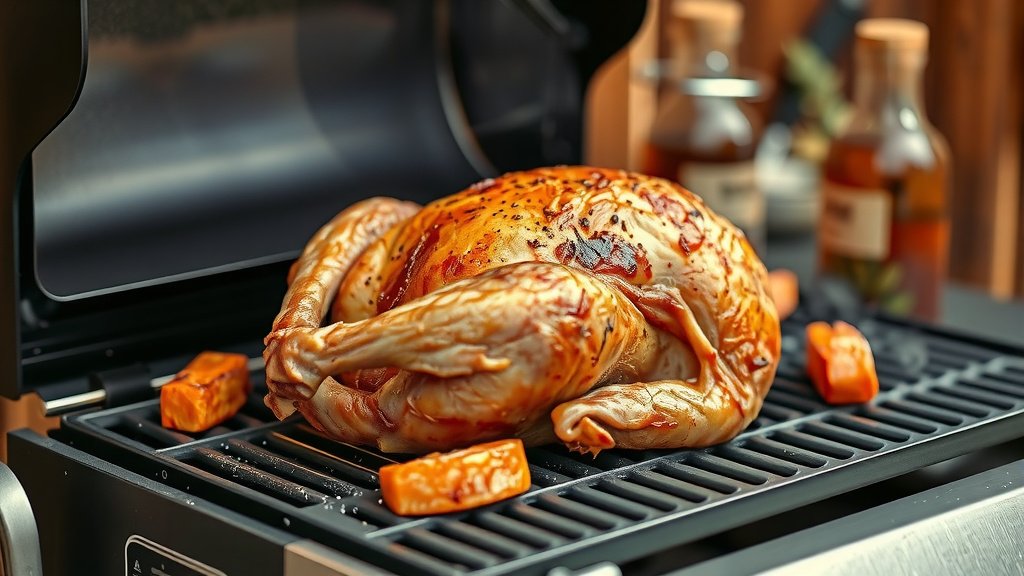
To cook a turkey breast on a pellet grill, you will set your grill to a moderate temperature, often around 300-325°F (149-163°C), and cook it until the internal temperature reaches 165°F (74°C) in the thickest part.
Smoking with a pellet grill adds incredible flavor, requiring you to prepare the turkey breast with a good brine or rub before placing it on the indirect heat zone.
Here’s a quick overview of what you’ll discover about cooking turkey breast on a pellet grill:
- Achieve juicy, flavorful turkey every time.
- Understand the best temperatures and times for perfection.
- Learn simple preparation steps for a great smoke.
- Discover the secrets to choosing the right pellets.
- Get practical tips for carving and serving your masterpiece.
How To Cook A Turkey Breast On A Pellet Grill?
Cooking a turkey breast on a pellet grill gives you a wonderfully smoky flavor and moist meat. You will typically season it, place it on the grill, and monitor its internal temperature carefully for the best results.
Why Choose a Pellet Grill for Turkey Breast?
Pellet grills offer a unique cooking experience, blending a smoker and a grill. They provide consistent temperatures, which is great for turkey. Plus, that wood-fired flavor is hard to beat, making your turkey breast truly special.
Selecting Your Turkey Breast
Choosing the right turkey breast matters for a successful cook. You will find both bone-in and boneless options at most stores. A bone-in turkey breast often stays moister during cooking because the bone helps regulate heat. Boneless options cook faster, which might suit your schedule better.
Consider the size too. A typical turkey breast weighs between 3-7 pounds. For a smaller crowd, a 3-pound breast is ample. Larger gatherings might need a bigger piece or even two smaller ones. Remember, it’s all about how many servings you need.
Essential Preparation Steps
Brining Your Turkey Breast
Brining is a fantastic way to ensure your turkey breast stays incredibly juicy. We found that a simple salt-water brine can make a significant difference. You can use a basic brine of water, salt, and perhaps some sugar and herbs (Mayo Clinic).
Submerge the turkey breast in the brine for at least 4-6 hours, or even overnight. This process helps the meat retain moisture and absorb flavors. Rinse it well afterward and pat it completely dry before seasoning.
Seasoning for Flavor
Once brined and dry, it’s time to season. A simple rub of salt, black pepper, garlic powder, and paprika works wonders. Some people prefer a sweeter rub with brown sugar. You can also add dried herbs like thyme or rosemary for a more aromatic profile. Be generous with your seasoning; it builds that flavorful crust.
Choosing the Right Pellets
The type of wood pellets you use will greatly affect the smoky flavor. Different woods impart distinct tastes. What’s your preference?
- Hickory: A strong, classic smoky flavor. Excellent for poultry.
- Apple: Milder and slightly sweet. Great if you prefer a subtle smoke.
- Cherry: A mild, fruity smoke that gives a beautiful reddish hue to the meat.
- Pecan: Nutty and rich, not too overpowering.
- Blends: Many brands offer blends designed for poultry, combining different woods for a balanced flavor.
We found that a blend or apple pellets often compliment turkey breast well, offering a balanced smoke that doesn’t overpower the delicate meat.
Setting Up Your Pellet Grill
Proper grill setup is key for even cooking. You want indirect heat for turkey breast. Set your pellet grill to a target temperature, usually between 300-325°F (149-163°C). This allows the turkey to cook through without drying out. Make sure your grill has preheated fully before placing the turkey inside.
Cooking the Turkey Breast
Monitoring Temperature
This is where a good meat thermometer becomes your best friend. Insert the probe into the thickest part of the turkey breast, avoiding the bone if it’s bone-in. You are looking for a final internal temperature of 165°F (74°C) (USDA). Do not pull it off the grill until it reaches this temperature.
Cooking Time Guide
Cooking times vary based on the turkey breast’s size and your grill’s exact temperature. Generally, expect about 1.5 to 2.5 hours for a 3-7 pound bone-in turkey breast. A boneless breast might cook slightly faster. Remember, the thermometer is the ultimate guide, not the clock.
When to Spritz or Baste?
Some grillers like to spritz their turkey breast with apple cider vinegar or chicken broth every hour. This can help keep the surface moist and sometimes aid in smoke absorption. It is optional, but it might add another layer of flavor and moisture. Don’t open the lid too often, as you will lose heat and smoke.
The All-Important Rest
After reaching 165°F (74°C), take the turkey breast off the grill. Cover it loosely with foil and let it rest for 10-15 minutes. This rest allows the juices to redistribute throughout the meat, making it incredibly tender and moist. Skipping this step often results in dry turkey, even if cooked perfectly.
Carving Your Masterpiece
Once rested, carve against the grain into ½-inch slices. This helps ensure each slice is tender and easy to chew. A sharp carving knife is essential for clean cuts. Serve immediately and enjoy the fruits of your labor!
Troubleshooting Common Issues
Even seasoned grillers face challenges. What if your turkey breast seems dry, or it isn’t cooking evenly?
| Issue | Possible Cause | Solution |
|---|---|---|
| Dry Turkey Breast | Overcooked; not brined; rested too short | Always use a thermometer; brine ahead; allow proper rest time. |
| Uneven Cook | Hot spots on grill; inconsistent placement | Rotate turkey halfway; check grill for even heat distribution. |
| Lack of Smoke Flavor | Too high temp; short cook time; mild pellets | Use lower temps for longer; choose stronger pellets like hickory. |
| Rub Not Sticking | Turkey not dry enough before applying rub | Pat turkey completely dry with paper towels before seasoning. |
Quick Checklist for Success:
- Choose your turkey breast carefully.
- Brine for juiciness, then pat dry.
- Season generously with your favorite rub.
- Select the right wood pellets for flavor.
- Preheat your pellet grill to 300-325°F.
- Use a meat thermometer, target 165°F.
- Rest the turkey breast for 10-15 minutes.
Conclusion
Cooking a turkey breast on a pellet grill is a truly rewarding experience. With careful preparation, consistent temperature monitoring, and that vital resting period, you will consistently achieve a delicious, smoky, and unbelievably juicy turkey. This method adds so much flavor that your guests will be asking for your secret. So, fire up your grill and get ready to impress!
Frequently Asked Questions
How long does it take to cook a 5lb turkey breast on a pellet grill?
A 5-pound turkey breast typically takes about 2 to 2.5 hours to cook on a pellet grill set to 300-325°F (149-163°C). Always rely on your meat thermometer to confirm an internal temperature of 165°F (74°C) for doneness.
Should I cook turkey breast bone-in or boneless on a pellet grill?
Many experts say cooking a bone-in turkey breast can lead to a moister result due to the bone’s insulating properties. Boneless turkey breasts cook faster and are easier to carve, making it a matter of preference and desired cooking time.
Do you wrap a turkey breast in foil on a pellet grill?
You generally do not wrap a turkey breast in foil during the main cooking phase on a pellet grill. Wrapping would prevent the smoke from reaching the meat and inhibit the formation of that tasty crust. However, you should wrap it loosely in foil during the resting period after cooking.
What is the best temperature to cook turkey breast on a pellet grill?
The best temperature to cook turkey breast on a pellet grill is typically between 300-325°F (149-163°C). This range allows for good smoke absorption while cooking the turkey through to a safe internal temperature without drying it out too quickly.
How do I prevent my turkey breast from drying out on a pellet grill?
To prevent your turkey breast from drying out, consider brining it before cooking, using a precise meat thermometer to cook it to exactly 165°F (74°C) and no higher, and allowing it to rest covered for 10-15 minutes after removing it from the grill. These steps help retain moisture.
