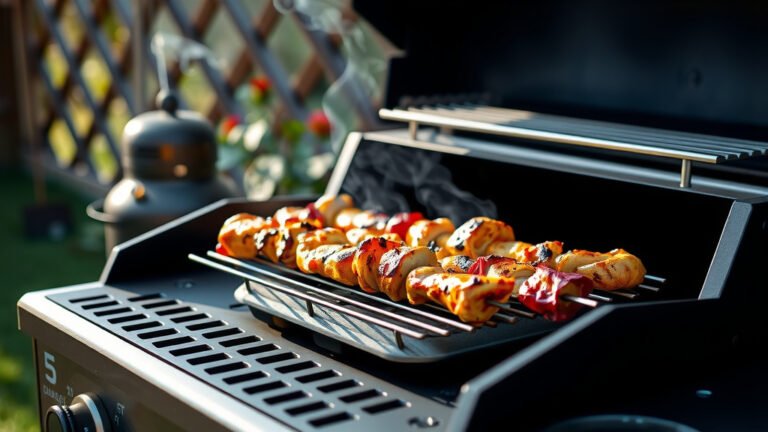
To smoke pork spare ribs on a pellet grill, set your grill to a consistent 225-250°F (107-121°C) and follow a method like the 3-2-1, which involves smoking, wrapping, and then finishing for perfectly tender results.
You will want to prepare your ribs by trimming excess fat and removing the membrane before applying your favorite rub, ensuring a deep flavor profile throughout the slow cooking process.
Here’s a quick look at what you’ll learn to get those perfect smoked ribs:
- How to choose and prep your pork spare ribs for optimal flavor.
- The best temperatures and pellet types for a successful smoke.
- A simple, step-by-step guide to the popular 3-2-1 smoking method.
- Tips for knowing when your ribs are perfectly done and ready to rest.
- Common mistakes to avoid for juicy, tender ribs every time.
How To Smoke Pork Spare Ribs On A Pellet Grill?
Smoking pork spare ribs on a pellet grill combines ease with incredible flavor, turning a tough cut into a tender, fall-off-the-bone delight with steady, consistent heat.
Why Your Pellet Grill Is Perfect for Ribs
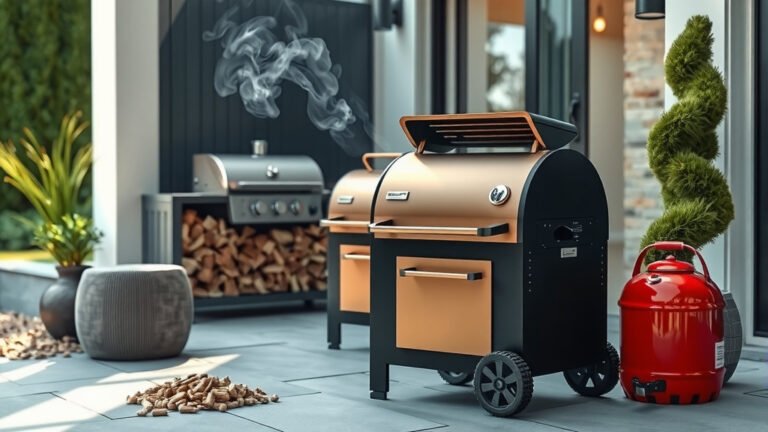
Pellet grills are like set-it-and-forget-it ovens but with added wood smoke. They hold temperature incredibly well, which is vital for long smokes.
This consistency means you avoid temperature spikes and dips that can dry out your meat. Plus, you get that authentic wood-fired taste without tending a traditional smoker constantly.
Choosing the Right Pork Spare Ribs
When you’re at the butcher, you’ll usually find two main types: St. Louis style and baby back ribs. St. Louis style ribs are flatter and rectangular, making them cook more evenly.
They are cut from the belly and have more fat and meat, offering a richer flavor. Baby back ribs are smaller, leaner, and curve, coming from higher on the hog’s back.
For this guide, we’ll focus on the larger, meatier spare ribs, often cut into St. Louis style for easier handling.
Prepping Your Ribs for Perfection
Proper preparation makes a huge difference. First, flip your rack of ribs over to the bone side. You’ll see a thin, silvery membrane covering the bones.
This membrane gets tough when cooked, so you definitely want to remove it. Many experts say to simply slide a knife under a corner, grab it with a paper towel, and pull it off.
Next, trim any loose, thin pieces of meat or excess fat. This helps prevent burning and promotes even cooking across the rack.
The Secret to a Great Rib Rub
Before applying your dry rub, a binder can help the seasonings stick better. Yellow mustard is a popular choice; it adds no flavor but creates a tacky surface.
Simply spread a thin layer over both sides of the ribs. Then, generously apply your favorite dry rub. Don’t be shy here; the rub forms a flavorful bark during smoking.
You can use a pre-made rub or mix your own with ingredients like paprika, brown sugar, salt, pepper, garlic powder, and onion powder.
Picking Your Pellets
The type of wood pellets you choose significantly affects the final flavor. We found that fruit woods like apple or cherry are excellent for pork.
They provide a mild, sweet smoke that complements the pork without overpowering it. Hickory or pecan also works well if you prefer a slightly stronger, nuttier smoke flavor.
Avoid overly strong woods like mesquite unless you’re aiming for a very intense smoke profile.
Setting Up Your Pellet Grill for Smoking
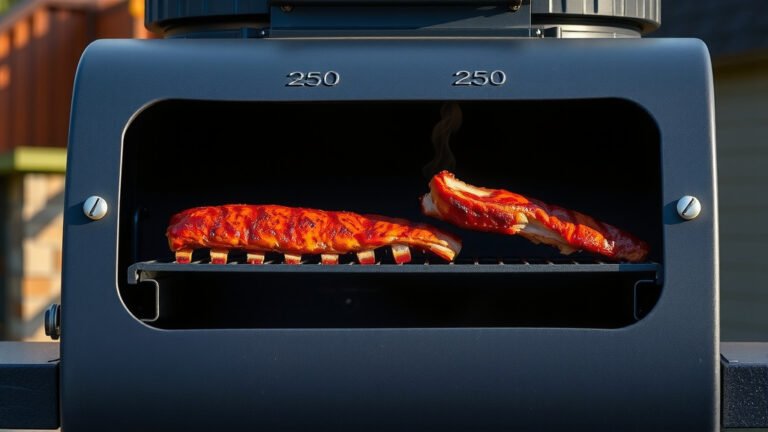
Fill your hopper with your chosen pellets. Set your pellet grill to your desired smoking temperature. Many pitmasters agree that 225°F (107°C) to 250°F (121°C) is ideal for ribs.
This low and slow approach allows the connective tissues in the ribs to break down gradually, resulting in tender meat. Allow your grill to preheat fully before placing the ribs inside.
The Legendary 3-2-1 Method for Spare Ribs
The 3-2-1 method is a common and highly effective technique for smoking spare ribs, creating a perfect balance of smoky flavor, tenderness, and bark.
It breaks the process into three distinct phases: 3 hours of smoke, 2 hours wrapped, and 1 hour unwrapped. Think of it like a journey for your ribs, each step vital.
Phase 1: The Initial Smoke (3 Hours)
Place your prepped and seasoned ribs directly on the grill grates, bone-side down. Close the lid and let the smoke work its magic for about three hours.
During this time, the ribs will absorb most of their smoky flavor, and a beautiful bark will begin to form on the surface. Resist the urge to open the lid too often.
Phase 2: The Wrap for Tenderness (2 Hours)
After three hours, carefully remove the ribs from the grill. Place each rack on a large sheet of heavy-duty aluminum foil or butcher paper. Create a sealed packet.
Before sealing, you can add a small amount of liquid inside the packet to help steam and tenderize the ribs. Apple juice, apple cider vinegar, or even a little beer are popular choices.
Return the wrapped ribs to the grill for another two hours. This steaming process significantly speeds up tenderization.
Phase 3: The Finishing Touch (1 Hour)
After two hours wrapped, carefully unwrap the ribs. If you plan to sauce your ribs, now is the time to apply a thin layer. Return the unwrapped ribs to the grill.
This final hour allows the bark to firm up again and the sauce to caramelize. Keep an eye on them during this stage to prevent burning.
| Phase | Duration (St. Louis Ribs) | Temperature (F/C) | Goal |
|---|---|---|---|
| Initial Smoke | 3 Hours | 225-250°F (107-121°C) | Smoke flavor, bark formation |
| Wrapped Cook | 2 Hours | 225-250°F (107-121°C) | Tenderness, moisture retention |
| Finish Unwrapped | 1 Hour | 225-250°F (107-121°C) | Firm bark, sauce caramelization |
How to Tell When Your Ribs Are Done
Doneness is key to great ribs. There are a few tell-tale signs. The meat should pull back from the ends of the bones, exposing about a quarter to half an inch of bone.
You can also perform the “bend test.” Pick up a rack of ribs with tongs in the middle. If the ribs bend significantly and the surface cracks without breaking, they’re ready.
The internal temperature for perfectly tender pork ribs is typically between 195°F and 203°F (90-95°C), as widely cited by cooking resources like USDA recommendations.
The Importance of Resting Your Ribs
Once your ribs are done, resist the urge to slice into them immediately. Just like a steak, ribs benefit greatly from a rest.
Transfer them to a cutting board, tent loosely with foil, and let them rest for at least 15-20 minutes. This allows the juices to redistribute throughout the meat.
If you cut them too soon, many of those delicious juices will run out, leaving your ribs drier.
Your Rib Smoking Checklist
- Ribs: Choose St. Louis style for easy smoking.
- Membrane: Remove it completely for better texture.
- Rub: Apply generously over a binder like mustard.
- Pellets: Use mild fruit woods for a balanced smoke.
- Temperature: Keep it steady at 225-250°F.
- Monitor: Avoid opening the lid too often during the smoke.
- Rest: Always allow ribs to rest after cooking.
Conclusion
Smoking pork spare ribs on a pellet grill is a rewarding experience that produces incredibly flavorful and tender meat with minimal fuss. By following these steps—from proper preparation and seasoning to the reliable 3-2-1 method—you are well on your way to becoming a rib master.
The consistent heat of a pellet grill, combined with a little patience, makes achieving restaurant-quality ribs right in your backyard completely achievable. So, fire up your grill, embrace the smoke, and enjoy some truly fantastic ribs!
How long does it take to smoke spare ribs on a pellet grill?
Typically, smoking a rack of St. Louis style pork spare ribs on a pellet grill using the 3-2-1 method takes approximately 6 hours at a consistent temperature of 225-250°F (107-121°C).
Do I need to wrap ribs when smoking them on a pellet grill?
Wrapping ribs, often in foil or butcher paper, is a common practice that helps tenderize the meat and lock in moisture during the middle phase of smoking. While not strictly mandatory, many find it creates a more tender, juicy result.
What is the best temperature to smoke pork spare ribs?
The widely recommended temperature for smoking pork spare ribs is between 225°F (107°C) and 250°F (121°C). This low and slow heat allows the connective tissues to break down gradually, ensuring tender ribs.
What kind of pellets are best for pork ribs?
For pork ribs, fruit wood pellets such as apple or cherry are highly recommended for their sweet, mild smoke flavor that beautifully complements pork. Pecan or hickory can also be good choices for a slightly stronger, nutty profile.
How do I know when my smoked ribs are done?
Your smoked ribs are typically done when the meat has pulled back from the bone ends by about a quarter to half an inch, and they pass the “bend test”—meaning they bend significantly without breaking when lifted in the middle with tongs.